
Could Florence become the next Hurricane Hugo? Charlotte waits, remembers
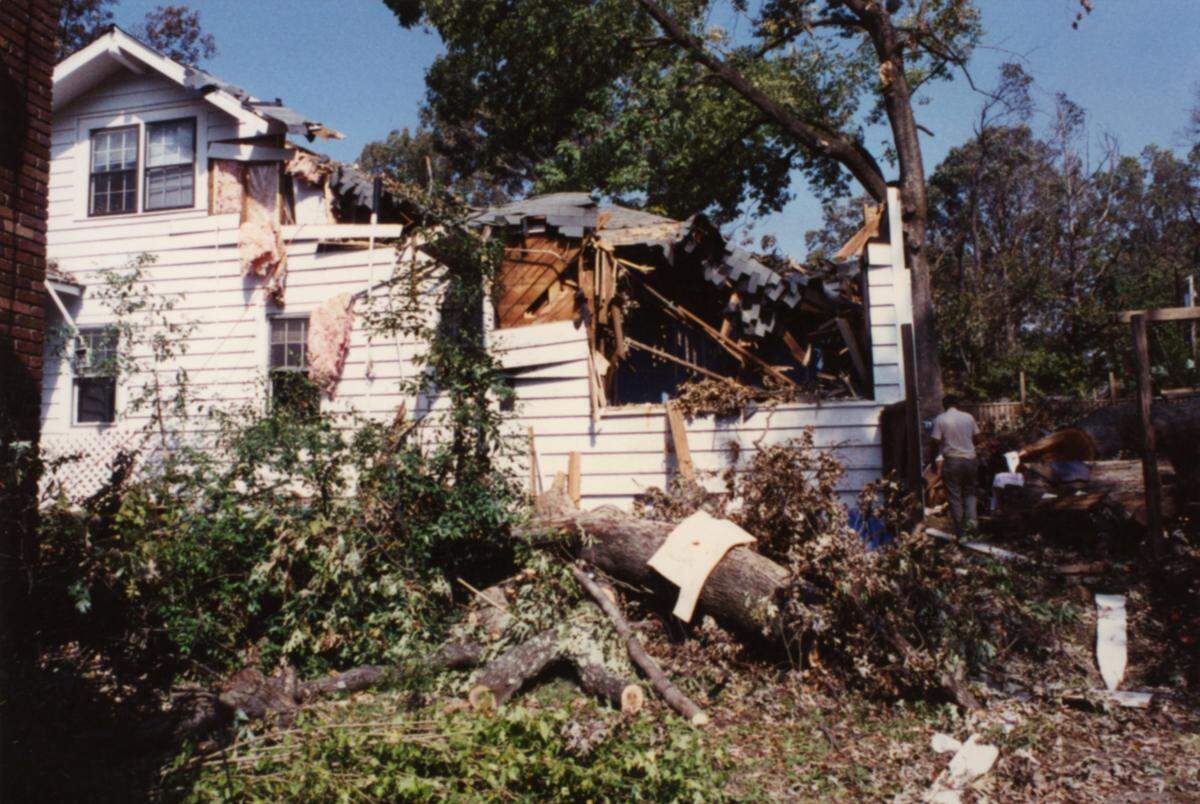
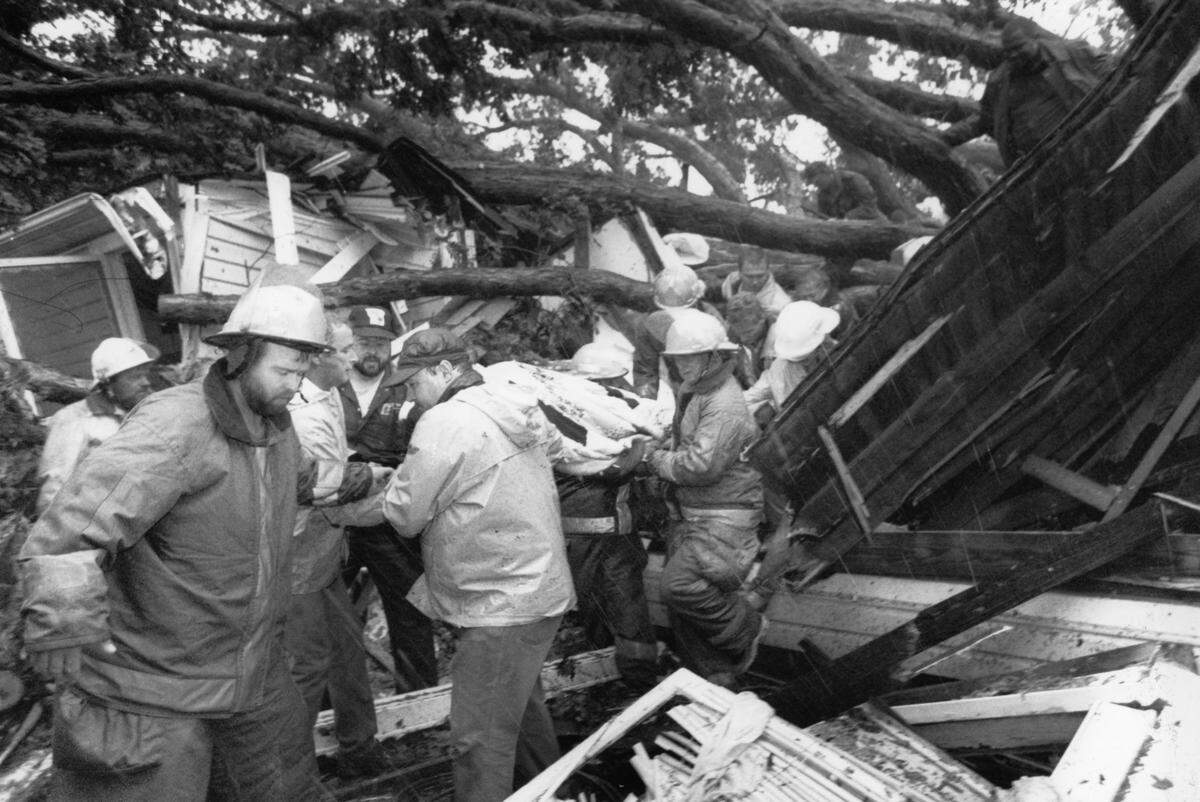
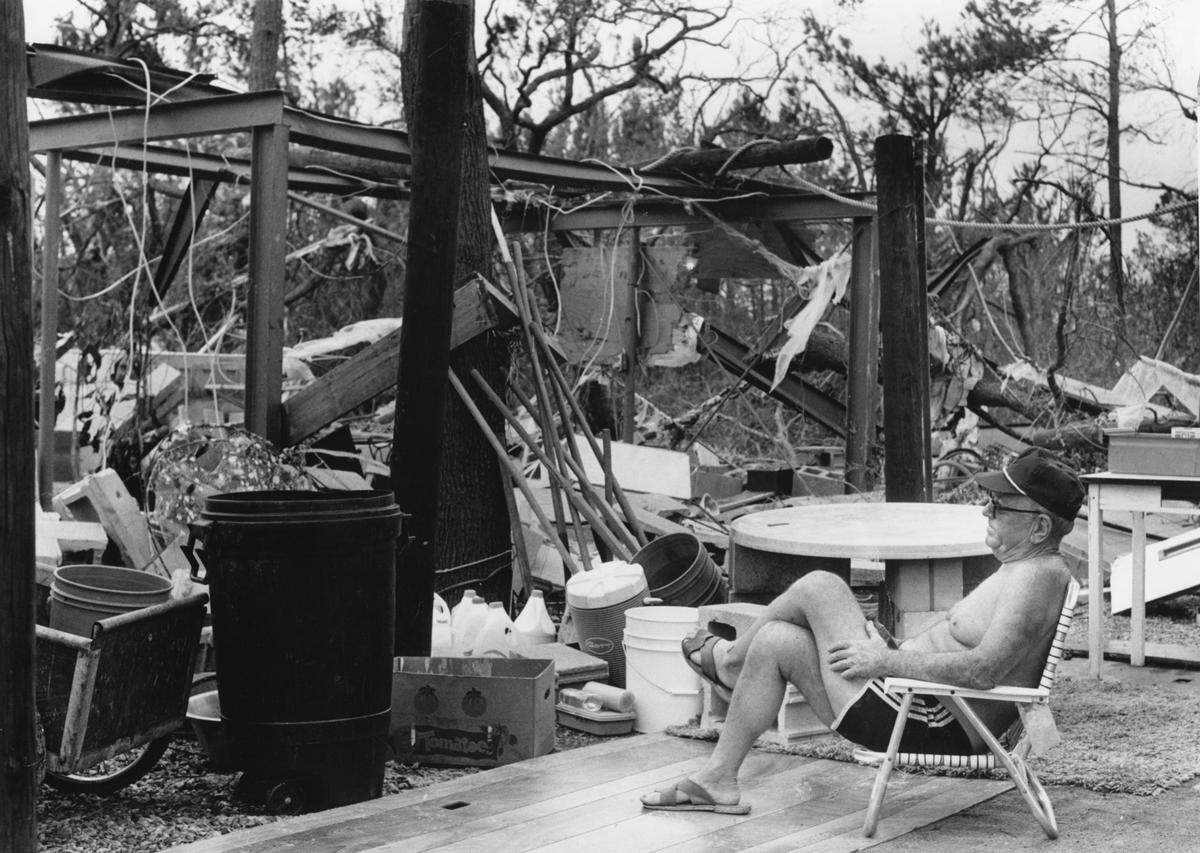
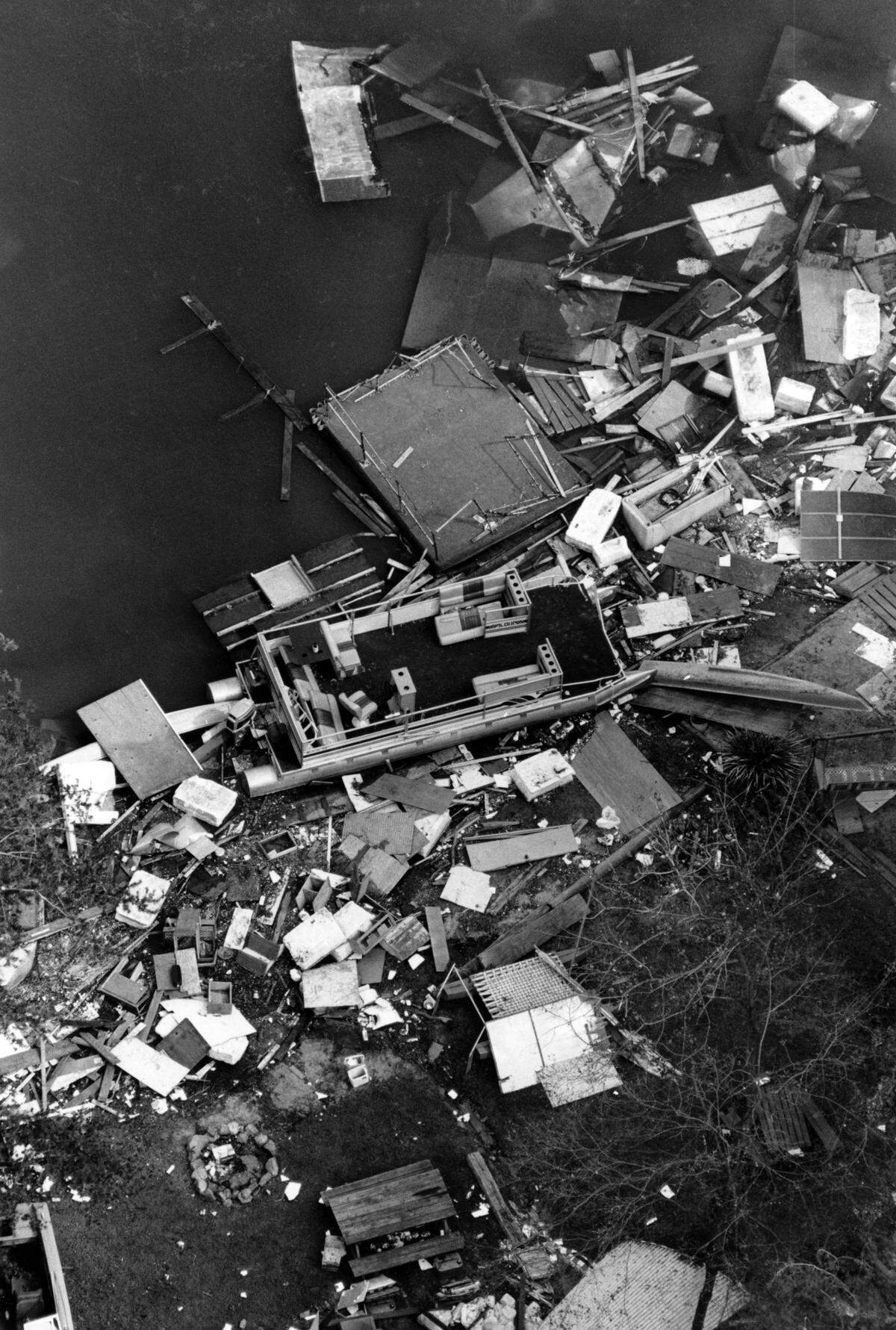
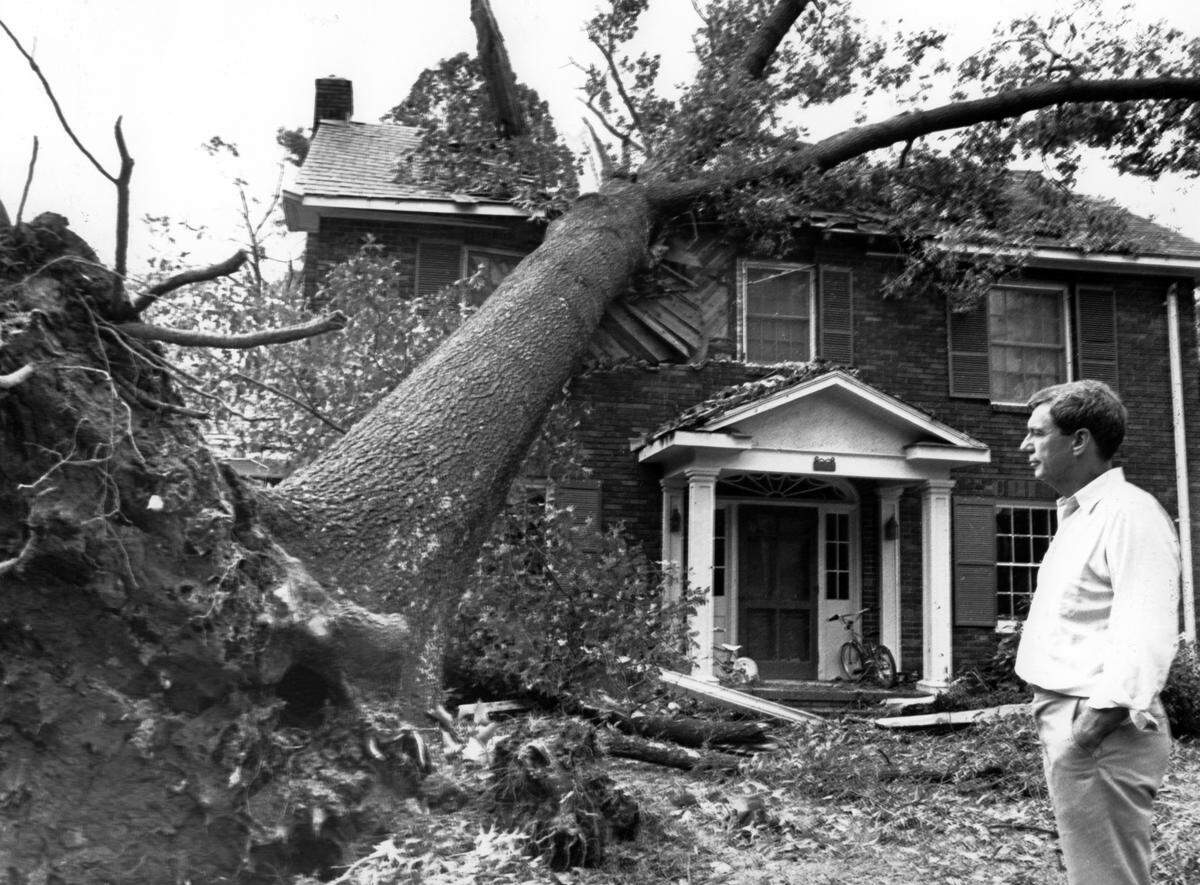
Most anyone who lived in Charlotte in late 1989 remembers the September night when the wind built to a shriek, century-old oaks began to splinter and shredded electric lines sparked in the dark.
Nearly 30 years later, Hurricane Hugo is still the landmark warning that Atlantic storms with the right trajectory and enough energy can devastate places hundreds of miles inland.
Could Florence, whose winds reached Category 4 on Monday, be the next Hugo?
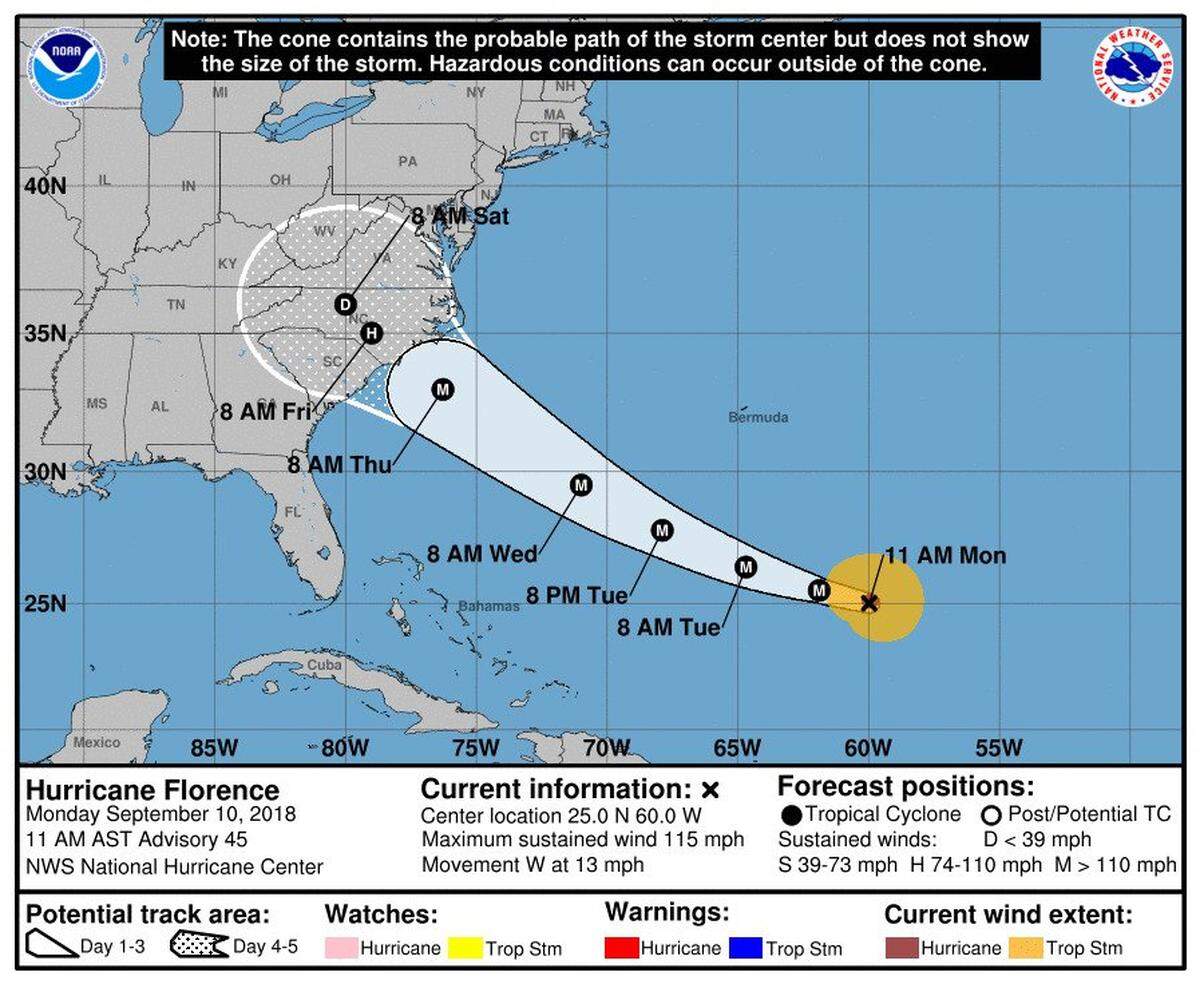
It’s too early to tell. Florence is headed toward the Carolinas but isn’t expected to make landfall until late this week. Meteorologist Jake Wimberley of the National Weather Service’s Greer, S.C., office, says the storm lacks the guiding influence, such as a low-pressure trough, that sometimes gives forecasters more certainty about its track.
“It’s not exactly comparable to Hugo,” he said, “but it is forecast to be a major hurricane making landfall, so in that sense it will be like Hugo.”
A major factor in Florence’s impact on Charlotte, he said, will be whether the storm tracks east or west of the city. Because hurricane winds rotate counter-clockwise, the most damage occurs to the right, or east, side of the storm system.
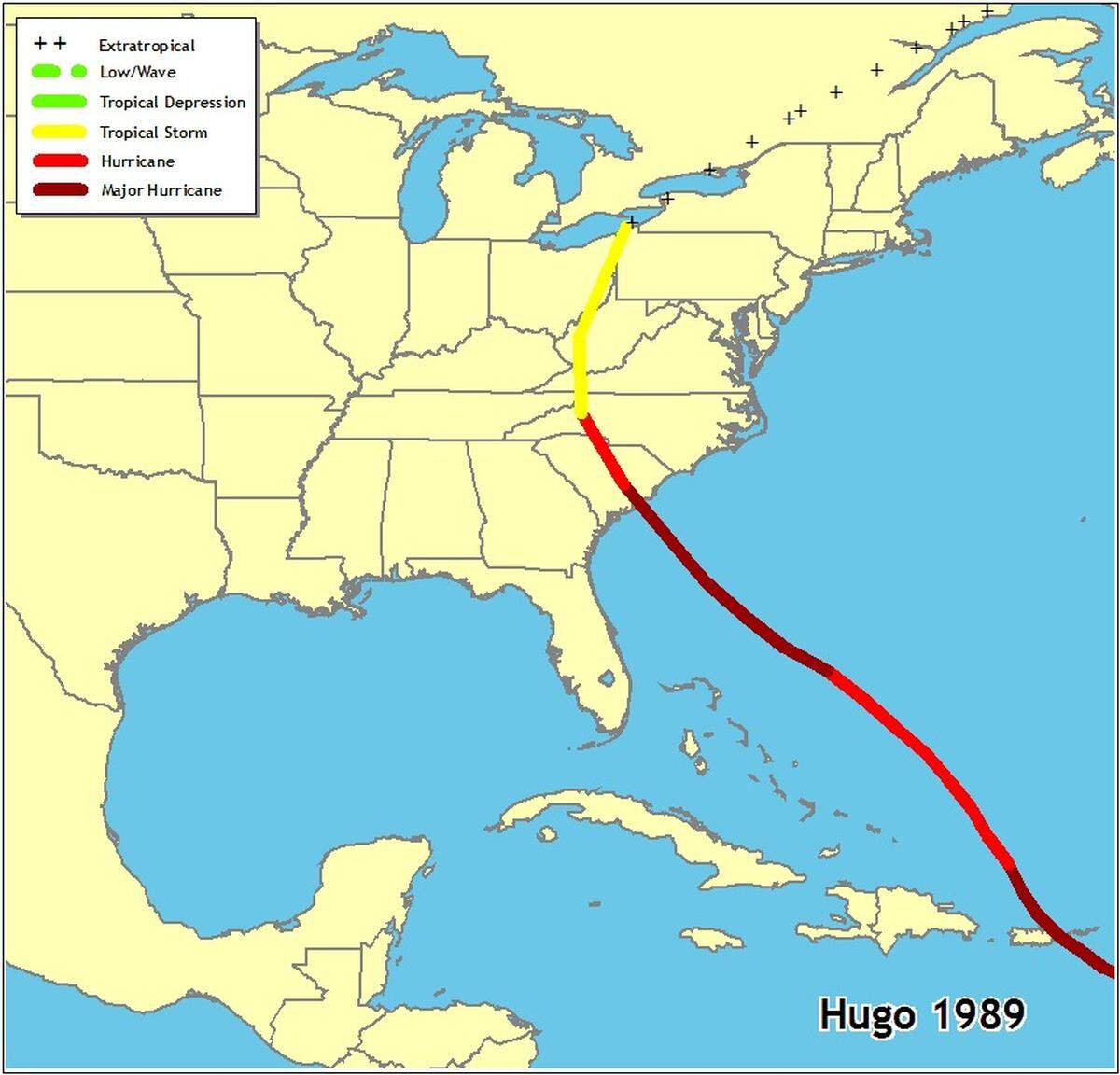
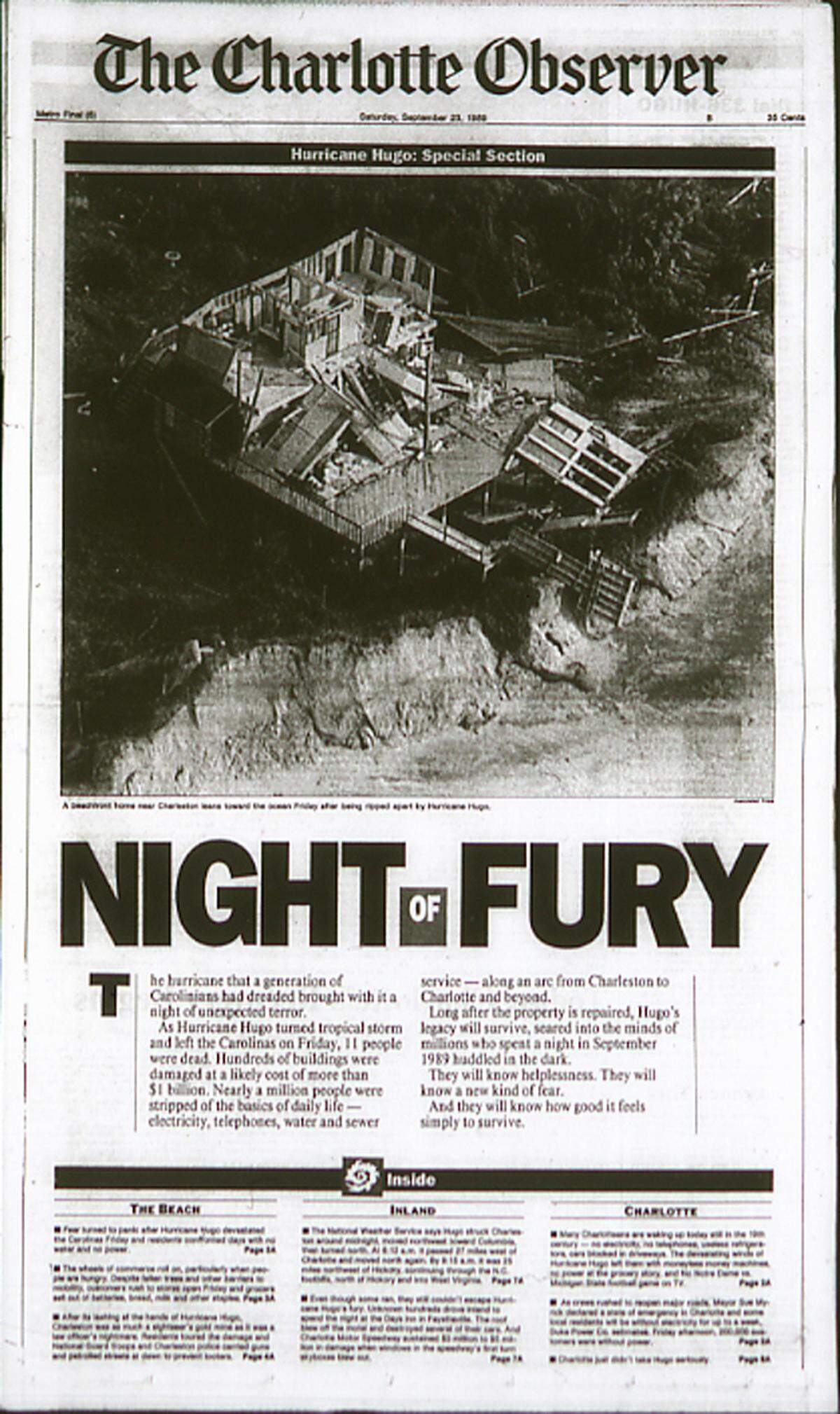
Hurricane Hugo was born as a tropical wave off the coast of Africa, according to a National Hurricane Center history, and built to hurricane strength as it moved west. It headed northwest as it tore through the Caribbean and made a beeline for the Carolinas, where it landed just north of Charleston on Sept. 22, 1989, as a Category 4 storm.
Hugo still packed hurricane-force winds as it crossed the Carolinas line just west of Charlotte, placing the city on its most dangerous side. Charlotte reported sustained winds of 69 mph and gusts to 99 mph.
“Hugo’s winds across western North Carolina caused tremendous destruction to a region that virtually never sees such impacts from a tropical system,” says as a National Weather Service summary.
Nearly 700,000 Duke Energy customers were left without power for up to three weeks, the Observer reported in 2014, on Hugo’s 25th anniversary. The storm killed 21 people in the U.S. and 29 in the Caribbean, the hurricane center says. Damage was estimated at $8 billion.
As Florence approaches, its projected track has shifted to one that’s more southerly and westerly — potentially more troublesome for Charlotte, depending on which side of the city the storm tracks, Wimberley said. Duke Energy is bracing for “significant widespread outages” that could take days or weeks to restore.
x
x
This story was originally published September 10, 2018 at 1:40 PM.