
Doctors fear patients could die waiting for a new liver in the Carolinas under new rules
Almost 30 years ago, a liver transplant saved Dawn Darden’s life.
Today, she’s still in good health. But she worries that others in the Carolinas won’t be so fortunate.
Like many others, Darden is afraid that a new national system for distributing donated livers could cost the lives of people awaiting transplants in the Carolinas and other southern states.
“My biggest concern is how many more people are going to die waiting because they were deferred,” said Darden, 50, a school teacher from Indian Trail. “There are people who have waited years and years for a liver, and because of this change, they could be bumped down.”
The United Network for Organ Sharing, which runs the nation’s transplant system, predicts the new rules will save more lives nationally and provide more equitable access to transplants.

For years, livers donated in the Carolinas generally stayed in the region. But under the new system, which started on Feb. 4, livers from deceased donors will first be offered to the most urgent transplant candidates within a radius of 575 miles. That means livers from donors in Charlotte could be flown to hospitals as far away as New York City, Tampa and Detroit.
Proponents say the move will reduce the geographic disparities that have long marred the system for distributing donated livers.
Under the old system, access to donated livers depended largely on where patients lived. Patients in the region that includes the Carolinas, for instance, waited an average of about six months for liver transplants. But in the region that includes New York, they typically waited four times that long.
One reason for that disparity: Organ donation rates are higher in the Carolinas.
“Your access to transplants shouldn’t be based on the state you live in,” said Dr. Carl Berg, medical director of transplantation at Duke Health.
But Dr. David Gerber, who heads the UNC Healthcare Center for Transplant Care, sees a downside. The number of livers available to patients in the Carolinas could drop by a third to a half, he predicts. And that, he said, will mean that more people in the Carolinas will die while waiting for transplants.
“The implications are potentially very stark for the Carolinas,” he said. “… Now we’re going to have this surge of livers leaving the Carolinas and going to New York. I’d anticipate that the death rate is going to go up.”
There’s little question that the new system will mean a change for patients in the Carolinas. Statistical modeling has shown that under the new system, patients here will typically be sicker before they get a liver transplant.
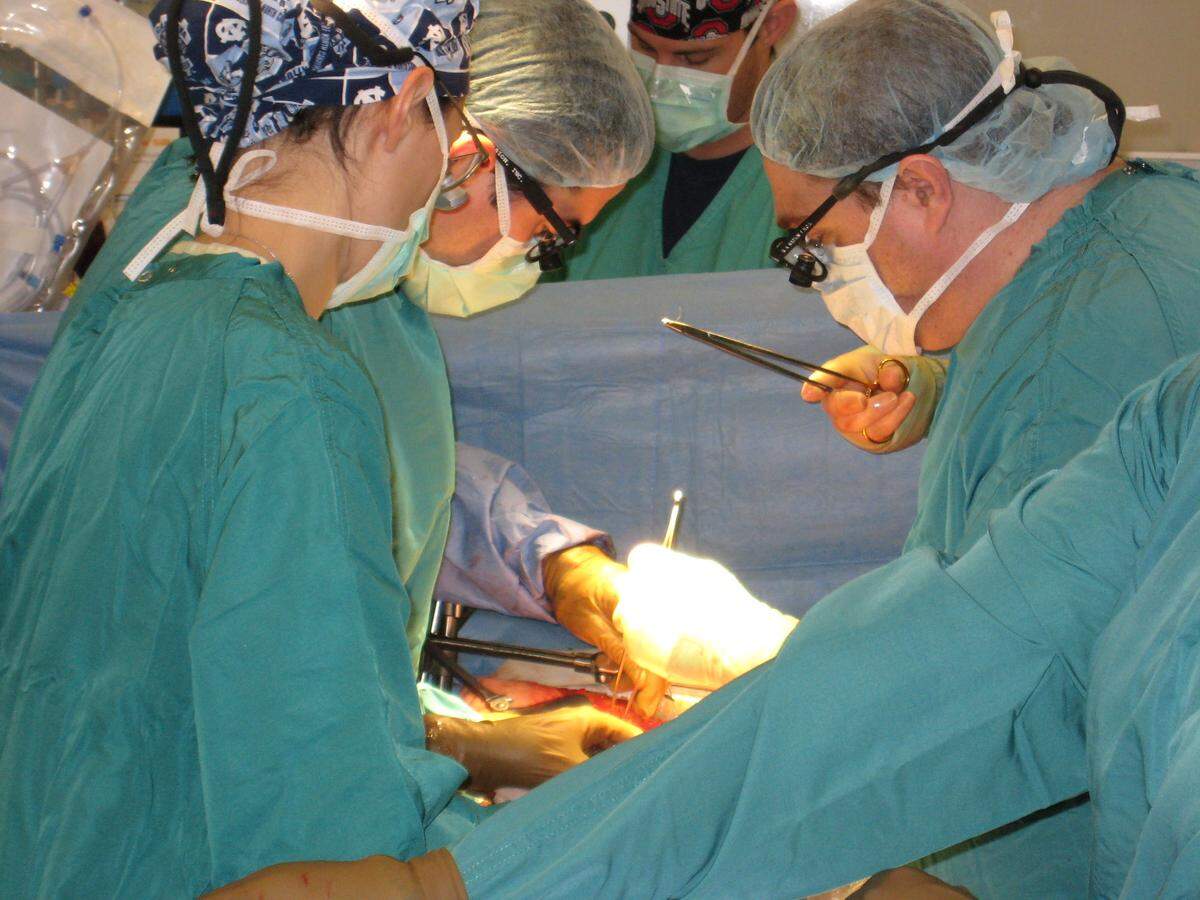
In 2018, the federal government threatened to close New York’s organ procurement organization, or OPO, saying it failed to meet two of the standards used to measure success at collecting organs. The following year, however, the Centers for Medicare and Medicaid Services said it would allow LiveOnNY to renew its contract and would work with the organization to improve its performance.
“We’re in some ways rewarding the under-performing OPOs in the north,” Gerber said of the new distribution system.
Dr. Mark Russo, medical director of liver transplantation at Atrium, says he, too, thinks there needs to be more focus on improving donation rates in areas that are facing organ shortages.
“If the only effort is to change how the delivery is done, it will be very disappointing,” he said.
Livers will be transported longer distances under the new system, and Russo believes that will increase the cost associated with transplants.
It may also result in logistical problems, such as organ transport planes that get stuck on the tarmac due to poor weather, he said. Life-saving organs could go to waste in such cases, doctors say, because livers generally need to be transplanted within 12 hours of being removed from a deceased donor.
Getting organs to the sickest patients
UNC Charlotte professor Gabriel Zenarosa calls the new rules “a step in the right direction” and predicts they will save more lives nationally.
“The more you can get livers to the sicker patients, the more lives you will save,” said Zenarosa, an assistant professor at UNCC’s College of Engineering.
As a PhD student in 2010, he began working on models that evaluated changes in liver transplant policies.

Zenarosa said transplant patients in North Carolina “could actually benefit” from the new rules because some of them would be eligible for organs donated by people in other states, such as Pennsylvania, where liver-donation rates are high.
Since 1995, about 4,500 people in North Carolina have died while awaiting organ transplants, according to federal data. Now, about 3,200 people are on the waiting lists for organs in North Carolina. And about 190 of them are waiting for livers, the only organ affected by the new rules.
The new rules have been long delayed. A lawsuit filed by more than a dozen transplant centers and hospitals in the South and Midwest forced the new rules to be put on hold last May. Those hospitals argued that the new rules would reduce the number of people who would be able to get transplants in their states.
But in January, a federal judge cleared the way for the new rules to go into effect.
An end to ‘artificial boundaries’
Cornelius resident Scott Carr had been living with liver disease for nine years — and on a transplant waiting list for five - before he received the donated organ that saved his life.
His wife, Mariel, said she used government data and built her own spreadsheets to find the transplant centers where he could get the best and quickest help.
In 2012, Carr and his wife traveled to the Medical University of South Carolina in Charleston to get his liver transplant. He’s now working full-time as a construction manager and has been enjoying relatively good health.
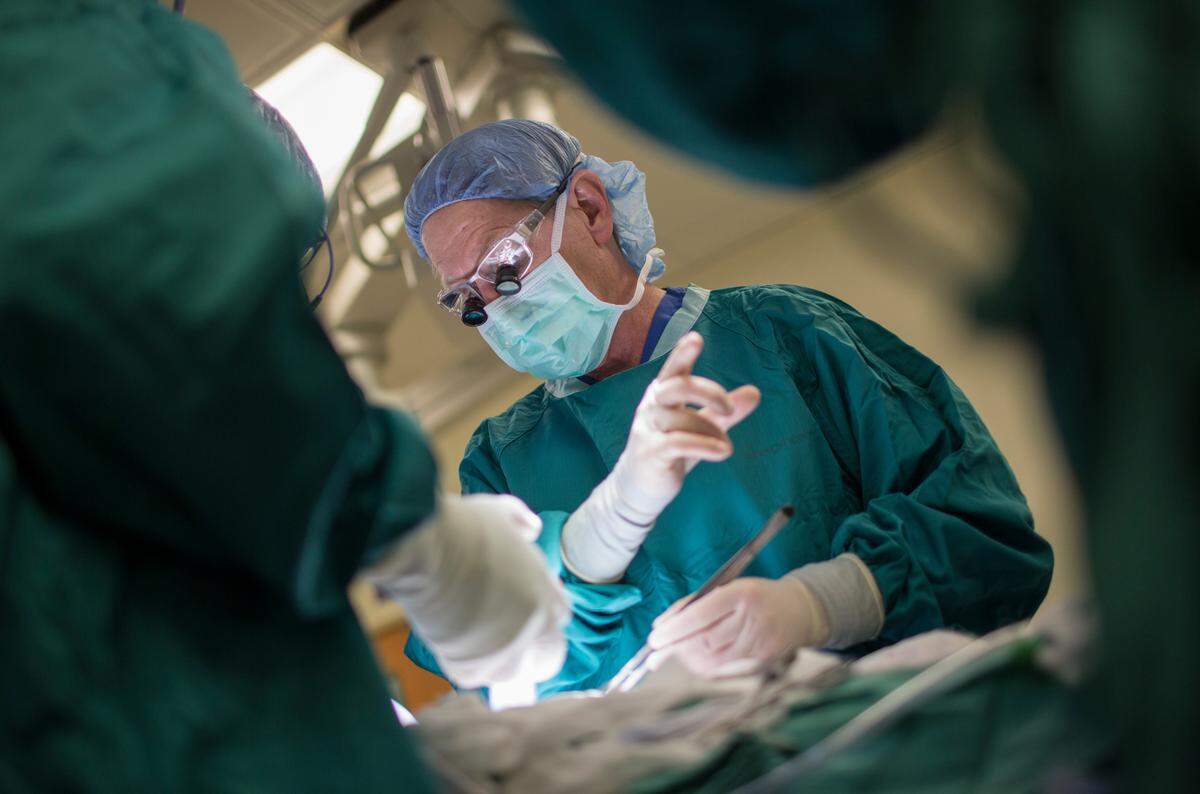
Some patients go to even greater lengths than the Carrs. They move in order to be closer to transplant centers with shorter waiting lists.
Since her husband’s surgery, Mariel Carr has been running her own consulting business to help other families find the transplant centers best for them.
Under the new distribution system, patients may have less need for her services. But she’s OK with that.
“It’s a big step in the right direction,” she said. “It’s dropping the artificial boundaries that were unfair.”
This story was originally published February 19, 2020 at 12:17 PM.
.JPG)