
Coronavirus and flu concerns lead Charlotte bishop to order changes during services
Concerns over the latest coronavirus strain and the flu prompted the leader of the Roman Catholic Diocese of Charlotte to temporarily stop some traditional practices at Mass, including sipping wine from chalices during communion.
In a letter to monsignors and priests on Friday, Bishop Peter Jugis said he also “strongly” encourages them to not allow parishioners to shake each other’s hands during a part of the Mass known as the Sign of Peace and at other church gatherings.
During communion, Catholics receive a sacramental wafer and can also sip sacramental wine from a chalice. The announcement also comes during the Lenten season, the six-week period leading up to Easter.
Jugis asked all priests and lay people who distribute communion to wash their hands before Mass begins.
“As a further precaution they may clean their hands again by using an alcohol-based anti-bacterial solution before distributing Holy Communion,” Jugis wrote.

He encouraged priests to let parishioners know they are “legitimately excused from Mass if symptoms are present or have any reason to suspect that they have been exposed to the virus.”
At Temple Beth El, meanwhile, leaders of the Charlotte synagogue urged members “to greet each other with an ‘elbow bump,’ an ‘air high-five’ or even holding your hand over your heart and saying ‘hello,’ rather than more typical hugs and kisses, according to a letter to members.
In his letter, Jugis noted how the federal Centers for Disease Control and Prevention expects the number of coronavirus cases in the U.S. to increase in coming weeks.
In his letter, Jugis said: “While the U.S. has experienced minimal coronavirus cases to date, I ask you to exercise special precautions during the celebration of the Mass and implement protocols at parish functions to minimize the potential for coronavirus and flu spread and to educate on how to avoid exposure.”
NC residents cautioned
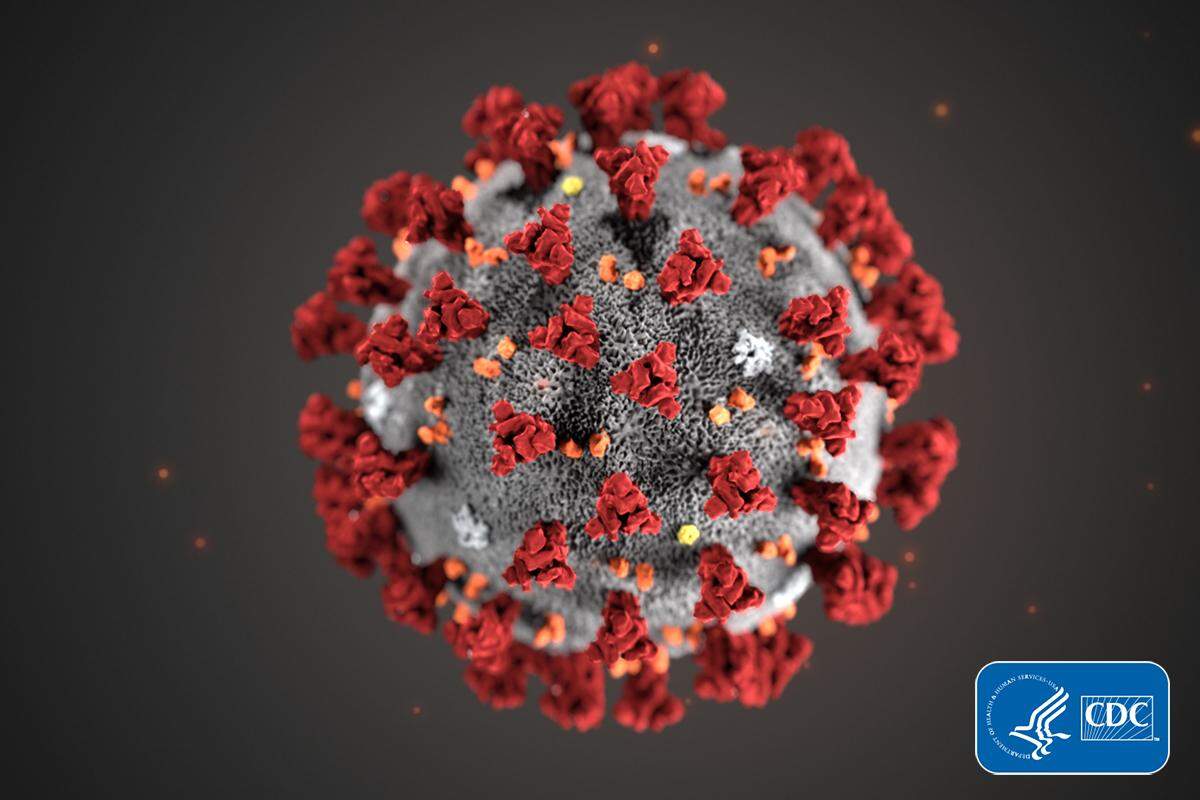
This new type of coronavirus — a large family of viruses that can cause illnesses like the common cold — has been dubbed Coronavirus Disease 2019, or COVID-19, by the World Health Organization.
In North Carolina, health officials continued to caution residents last week that the risk to residents from COVID-19 is low.
“This is a matter of (using) common sense to prepare, but not to panic,” State Health Director Elizabeth Tilson said in a press conference Feb. 25.
On Tuesday afternoon, Gov. Roy Cooper reported the first case of a North Carolina resident testing positive for novel coronavirus. A Wake County resident who was exposed at a Washington state long-term care facility.
“The test, conducted by North Carolina State Laboratory of Public Health, is presumptively positive and will be confirmed by the U.S. Centers for Disease Control and Prevention lab,” Cooper said in a news release. “The person is doing well and is in isolation at home.”
The Wake County resident traveled to Washington state “and was exposed at a long-term care facility where there is currently a COVID-19 outbreak,” according to Cooper
Earlier Tuesday, the North Carolina Department of Health and Human Services said the state lab is now able to test for the novel coronavirus. This new capability allows the state to more quickly take public health steps to respond to any positive test result, according to DHHS.
Charlotte hospitals Atrium Health and Novant Health each said they have teams of experts monitoring the virus.
Atrium Health’s medical director of infection prevention, Catherine Passaretti, told the Observer last week that people should continue taking “common sense steps” to avoid getting sick.
“Everyone should wash their hands frequently, cover their mouths when they sneeze or cough and stay home when they’re sick,” she said in a statement.
This story was originally published March 3, 2020 at 12:36 PM.
.jpg)