How a hospital chaplain’s role is evolving during the coronavirus crisis
As healthcare workers face unprecedented challenges during the new coronavirus pandemic, veteran Charlotte hospital chaplain David Carl offers a simple reminder: You can’t sustain caring for others if you disregard caring for yourselves.
“One of our mantras is, ‘Self-care leads to best care.’ ” said Carl, who oversees Atrium Health’s pastoral education program.
Carl met with 30 Atrium hospital chaplains Friday via video conferencing, addressing the stressors on the healthcare system caused by the spread of COVID-19; how that taxes everyone from patients to families to doctors, nurses and volunteers.
The infectious nature of COVID-19, the disease caused by the virus, has changed everyone’s jobs in healthcare, including chaplains. The obvious shift is the inability to physically visit patients in hospitals to be a resource to them and their families.
The subtler changes are the extent of tending to those who tend to the ill. It’s watching out for what Carl describes as “compassion fatigue and burnout” among healthcare workers. It’s also making sure those who used to volunteer at hospitals cope with a loss of routine.
Because nothing is routine now in healthcare.
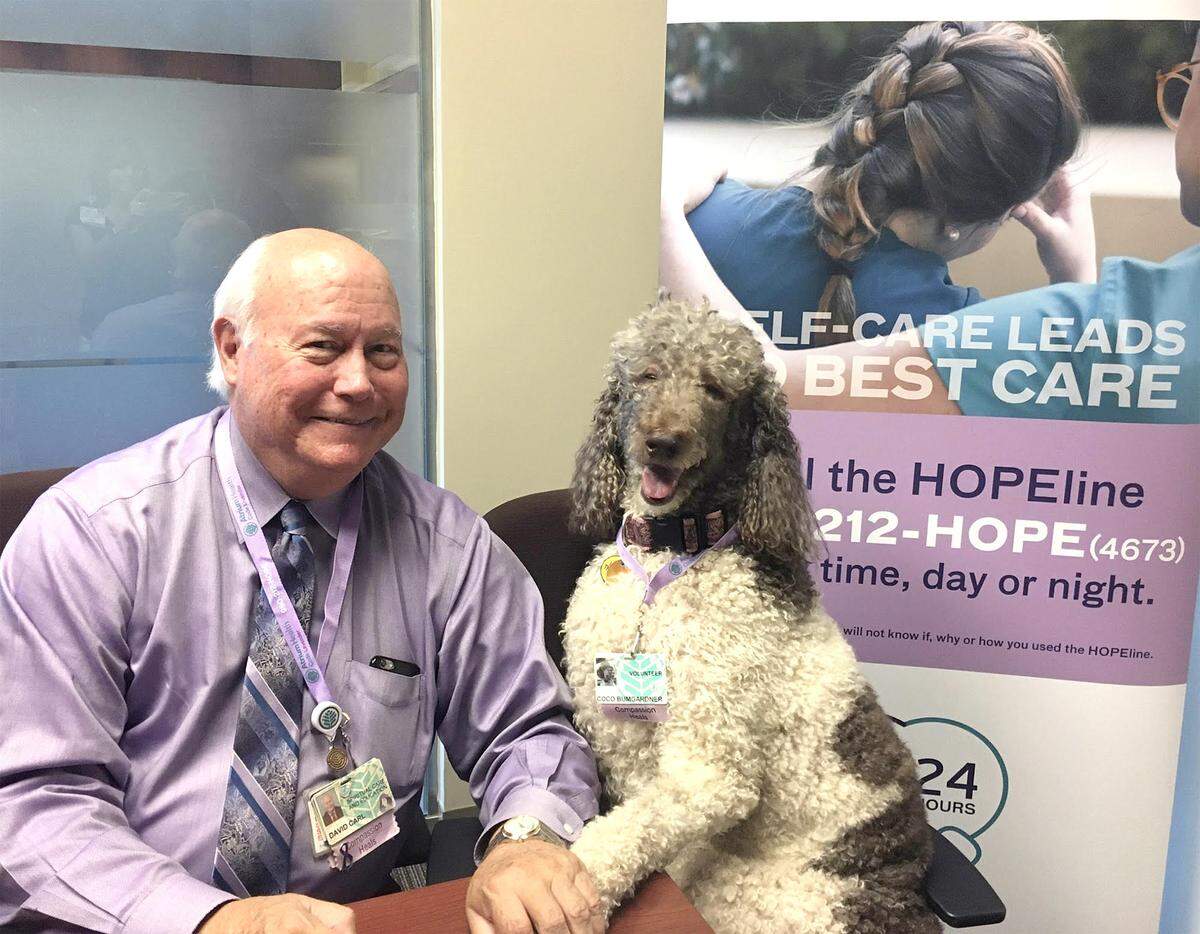
“Like the rest of the globe, it’s been coping with change. And frankly, with all the grief that comes with that change,” said Carl, a veteran of more than 30 years in healthcare ministry. “There has been a lot of loss — not just loss of life with the COVID virus, but a loss of routines, the loss of social gatherings. The loss of relating to persons as we’re so used to.”
Asked how best to cope emotionally with the pandemic, Carl offered three suggestions:
▪ Take a break to take a breath. “Take deliberate time each day to pause and take deep breaths.”
▪ Search out joy. “Do something each day that brings you joy: Read a novel. Listen to music. Play an instrument. Watch your favorite movie. Paint a picture.”
▪ Find reasons to smile. “Notice three things daily that are uplifting — that bring a smile to your heart — and write them down before bedtime. Read those first thing the next day. Find three more things, and repeat in an ongoing basis to mend your mind in trying times.”
Same message, different platform
The most basic task in pastoral care in hospitals — physically meeting with patients and their families — is now gone.
Like everyone else in the healthcare system, chaplains are working longer and very differently to match need. It started with wearing scrubs and masks. Now greater precaution makes all interaction virtual.
“It becomes almost a relentless pace just to keep up,’ Carl said.
“What (hospital) chaplains are used to doing is going into patients’ rooms with face-to-face encounters, offering direct spiritual care to families. Now it’s more virtual visits with both patients and families.
“It’s calling families whose loved once are (being evaluated) for the coronavirus,” he said. “The family can’t visit. So the chaplain calls their homes to bring some support.”
Physically holding hospital chapel service is no longer viable either, so healthcare systems are improvising via YouTube.
It’s also providing convenient, efficient ways to offer comfort to healthcare providers. Carl said Atrium and many other healthcare providers have set up prayer lines for their workers.
“Let’s say you’re working as a nurse. There is no way you can break up your routine,” Carl said of the typical workday. “So if you need a little solace during a break or after you go home, one way to recharge yourself is a three-to 5-minute devotional.”
Code Lavender
For the past five years, Carl has managed a program at Atrium called “Code Lavender,” with the intent of caring for healthcare workers’ mental and emotional wellness.
Ir’s called lavender for the calming effect associated with that aroma.
“Code Lavender means you have something impacting your emotions that has thrown you off,” Carl said. “I can’t think of anything that has knocked us off our game more than the coronavirus.”
That assistance can take many forms.
Atrium is distributing “goody bags,” which typically include a piece of candy (Hershey’s donated a palette of chocolates to the effort recent) with an inspirational quote. It could be providing dog therapy, where spending a little time with a pet offers solace.
Or for those feeling the greatest stress, it’s what Carl describes as “critical-incident debriefing” — taking through a crisis.
“One of the best ways we can practice self-care is by talking when we’re under that stress dynamic,” Carl said. “If you’re not practicing self-care, you’re not bringing your best self to others.”