
Hoping to slow coronavirus spread, NC prisons sharply limit inmate movements
Hoping to prevent the coronavirus from spreading more widely, North Carolina prison officials say they will not accept any more offenders from county jails for the next 14 days.
State officials say they will also stop the transfer of most inmates from prison to prison during the next two weeks.
On average, jails send 450 inmates a week to the state prisons, said John Bull, spokesman for the prisons. And the state transfers an average of 1,110 inmates from prison to prison each week. About 35,000 inmates are currently housed in the state prisons.
As of Monday, eight inmates in the state prison system had tested positive for COVID-19, North Carolina prison officials say. The inmates are housed at Neuse Correctional Institution, Caledonia Correctional Institution and Johnston Correctional Institution, all in eastern North Carolina. Another 106 tests have come back negative and 31 are pending, Bull said.
Over the weekend, face masks were distributed to all staff and offenders at those prisons, the state Department of Public Safety said in a news release.
“We must deny this virus the opportunity to spread,” said Todd Ishee, Commissioner of Prisons. “It has gotten into three of our prisons and we must contain it there to the greatest degree possible. This is imperative for the health and safety of our staff and the men and women who are in our care.”
Bull said prison officials will stop transfers designed to move inmates to a different custody level, relocate inmates closer to their homes prior to being released and move new inmates from their admitting prison.
“Basically, all offender transportation will stop,” Bull said in an email to the Observer. “The Division of Prisons will not run transfer buses unless there is a critical issue to address ... Court orders will be fulfilled, and high security concerns will be addressed if necessary. High security concerns for example could be an assault on staff or on another offender.”
But prison officials say they will continue to transfer inmates for the following reasons:
▪ To comply with court orders
▪ For medical or mental health reasons
▪ For security purposes “to address critical incidents within the prisons”
▪ To release inmates who have completed their prison sentences
Ordinarily, prisoners can also be transferred for other reasons, such as taking classes or doing work that’s available in other prisons but not their own.
No inmates will remain incarcerated past their scheduled release dates, prison officials say.
Prison officials say they’ve tested more than 140 inmates for the coronavirus so far. As of Monday, 106 of the tests had come back negative and 31 were still pending.
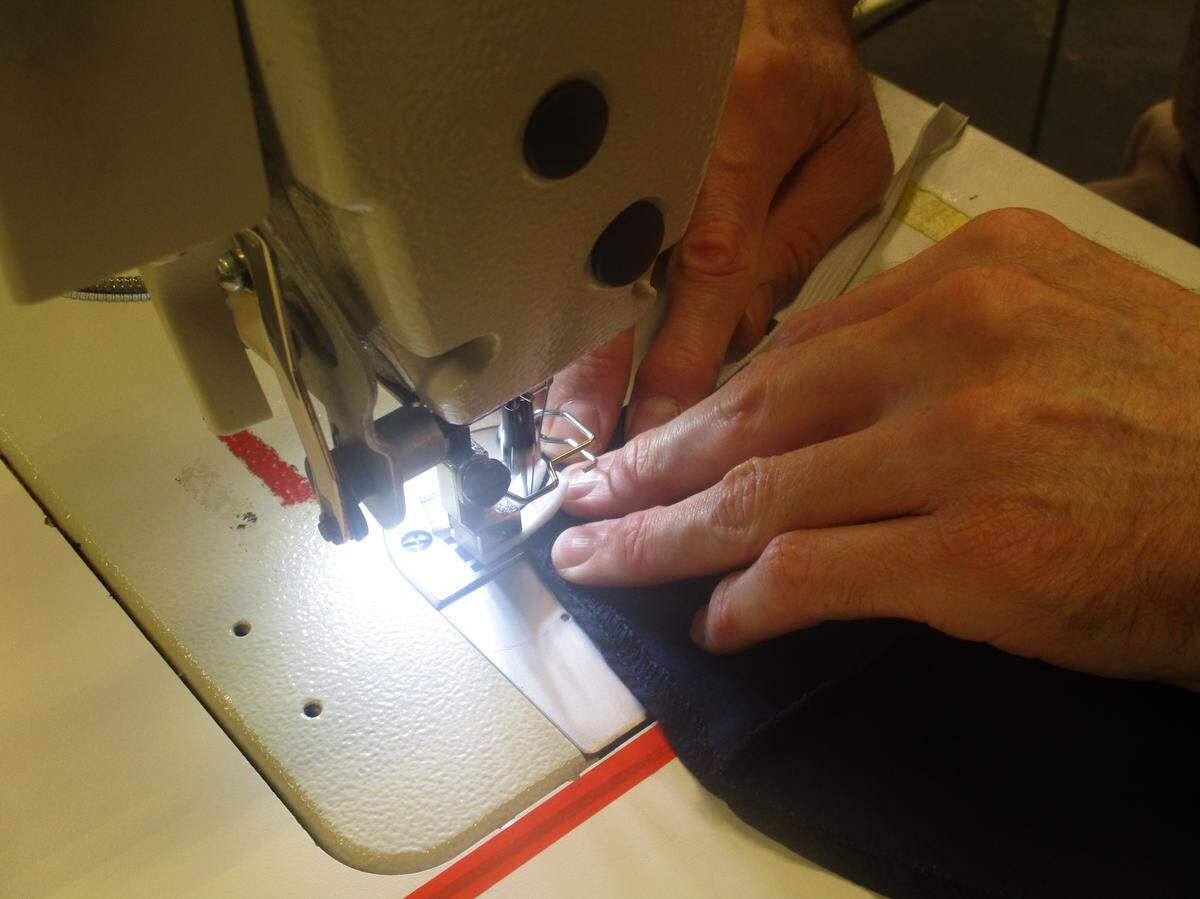
Inside state prison manufacturing plants, inmates are now making face masks, gowns, disinfectant and hand sanitizer. Prison officials say all inmates and staff members will receive a face mask once enough are manufactured.
Prisons and jails are especially vulnerable to infectious diseases, experts say, because inmates live so closely together.
In mid-March, state officials temporarily banned all visits to the prisons in hopes of preventing an outbreak.
On March 24, state prison officials also suspended the work release program — an effort to limit inmates’ potential exposure to the coronavirus.
Prison officials have begun taking the temperatures of every employee who enters a prison each day. Anyone with a temperature of 100 degrees is denied entry, officials say.
Staffers are also asked a series of screening questions before they enter the prisons. Officials say they deny entry to any employee who has symptoms of respiratory illness or who has been exposed in the past 14 days to anyone who is suspected or diagnosed with COVID-19.
This story was originally published April 6, 2020 at 3:11 PM.
.JPG)