‘Not fair.’ Coronavirus stops cars at parks but most in Mecklenburg can’t walk there
Mecklenburg County’s latest restrictions for its parks during the coronavirus crisis has exacerbated problems of access to a system that’s long lagged in amenities compared to other major metro areas.
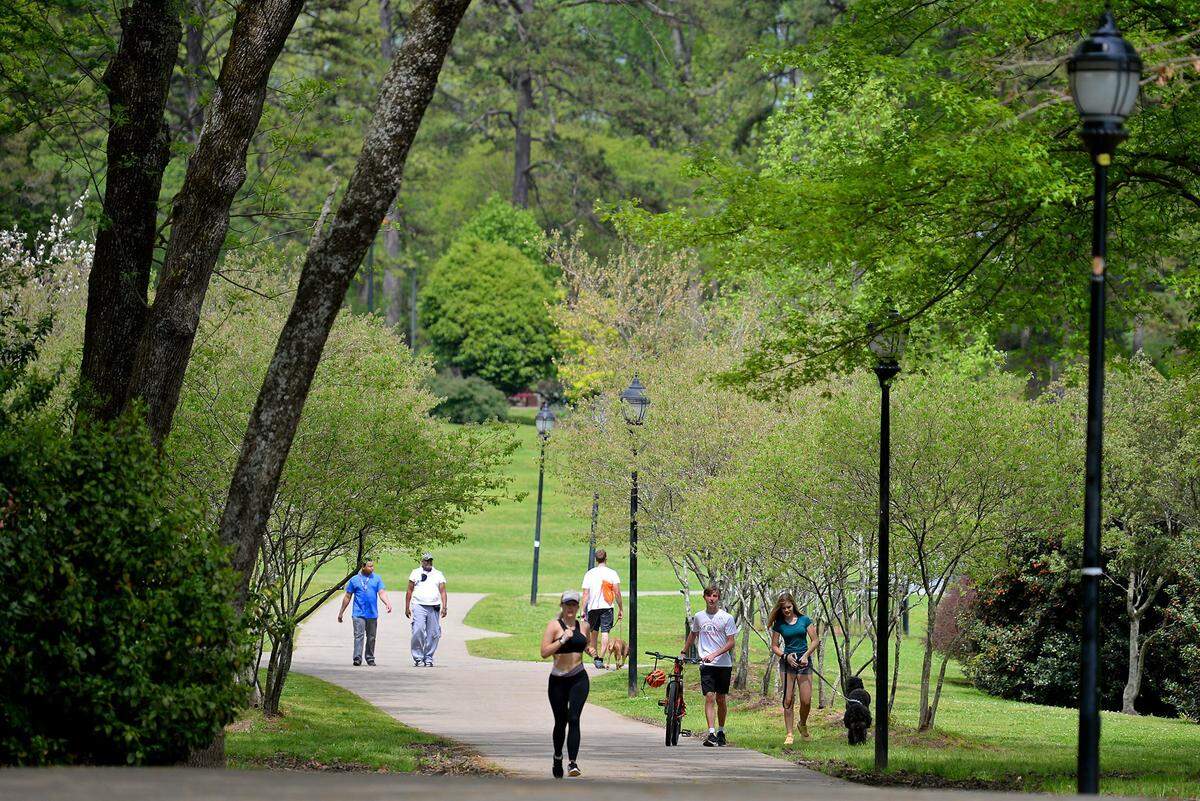
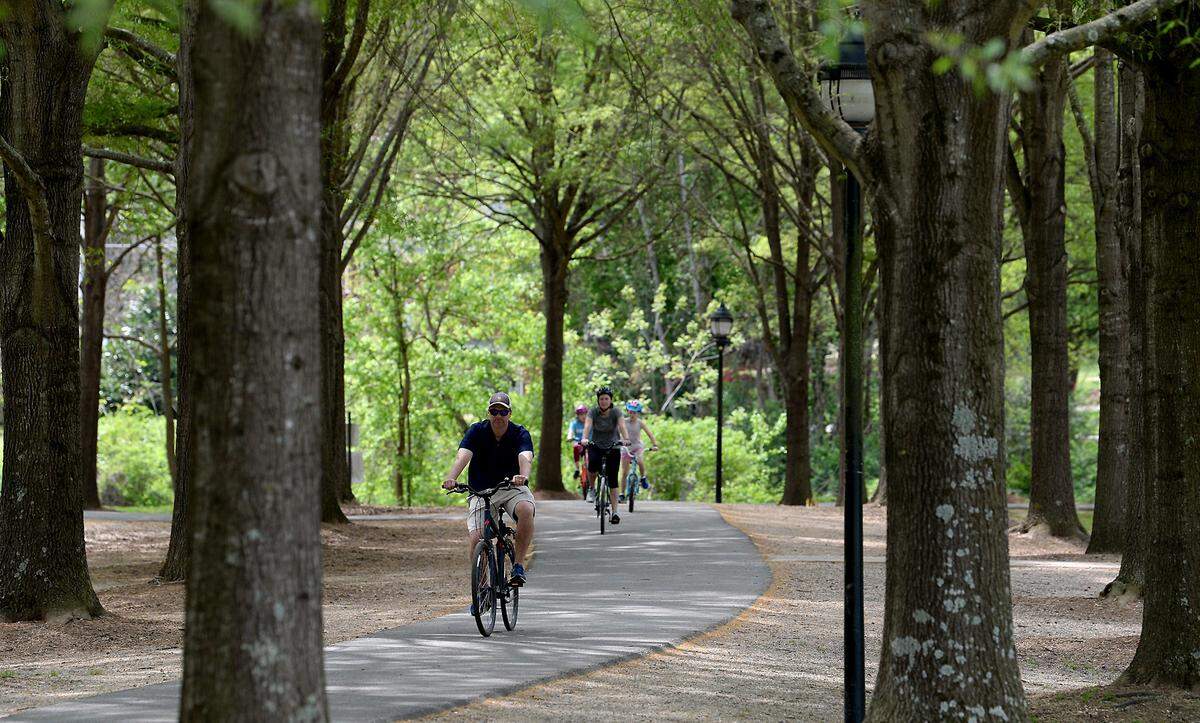
Park gates were ordered closed to cars Tuesday, with access limited to pedestrians and cyclists. Only 36% of county residents live within a 10-minute walk of a park, according to an analysis from the Trust for Public Land, a nonprofit organization.
That means the latest measure to disperse crowds and enforce the stay-at-home order during the pandemic could potentially hinder two-thirds of Mecklenburg residents from enjoying those public spaces.
“I definitely hate this is what happened,” Mecklenburg County Commissioner Susan Rodriguez-McDowell said Thursday. “It’s definitely inequity (and) inaction. I have folks calling me and complaining about it — I agree with them it’s not fair.”
Among the country’s 100 most populous cities, Charlotte-Mecklenburg’s park system ranks No. 96 for access and quality — a consistently near-bottom performance based on investments and amenities per residents. The Trust for Public Land’s ranking, which also weighs residents’ access to parks and the system’s overall acreage, had Washington, D.C. in first place.
Wide swaths of east Charlotte have a “very high” need for increased parks, as do pockets of south Mecklenburg, according to the Trust for Public Land.
“It’s a situation (of access) that won’t be addressed during the pandemic,” George Dunlap, chairman of the Mecklenburg County commissioners, said Thursday. “It is an issue that is being addressed in our 10-year master plan of Park & Recreation.”
Another limit on recreational access during social distancing came Thursday when Charlotte-Mecklenburg Schools closed its parking lots and playgrounds. The only exceptions are for people picking up meals and academic materials.
‘Equity and access’
Among Mecklenburg residents who do live within a 10-minute walk to a county public park, 41% are categorized as low-income. Another 36% are middle-income and 34% are high-income according to the Trust for Public Land analysis.
Improving park access for all in Mecklenburg is something the Park and Recreation Commission has studied for years. But the pandemic — and resulting measures by the county to limit people congregating in the parks and elsewhere — has exacerbated the access issue.
Land development over the past 30 years around Charlotte has added to the park-access issue, Park and Recreation at-large commissioner Brian Cox said. “We dissected park facilities with roads. We cut people off who might otherwise be within a 10-minute walk because of the way our urban area has grown,” Cox said.
The Park & Recreation Commission hasn’t met since March 11, so members haven’t offered input on the local stay-at-home order.
Cox, a former county employee, said numerous factors contribute to the access problem, and it’s not just in low-income areas. For instance, fast-track development of Ballantyne didn’t leave much for green space.
Cox said he supports closing off parking access to the parks under these extreme circumstances to try to limit large groups from congregating. The stricter step this week came after the county disabled sports courts such as tennis, basketball and volleyball, and closed playgrounds.
Mecklenburg leaders had included parks and greenways as a budget priority in fiscal year 2020, investing an additional $15.9 million to accelerate projects and buy more land.
‘Can’t walk’
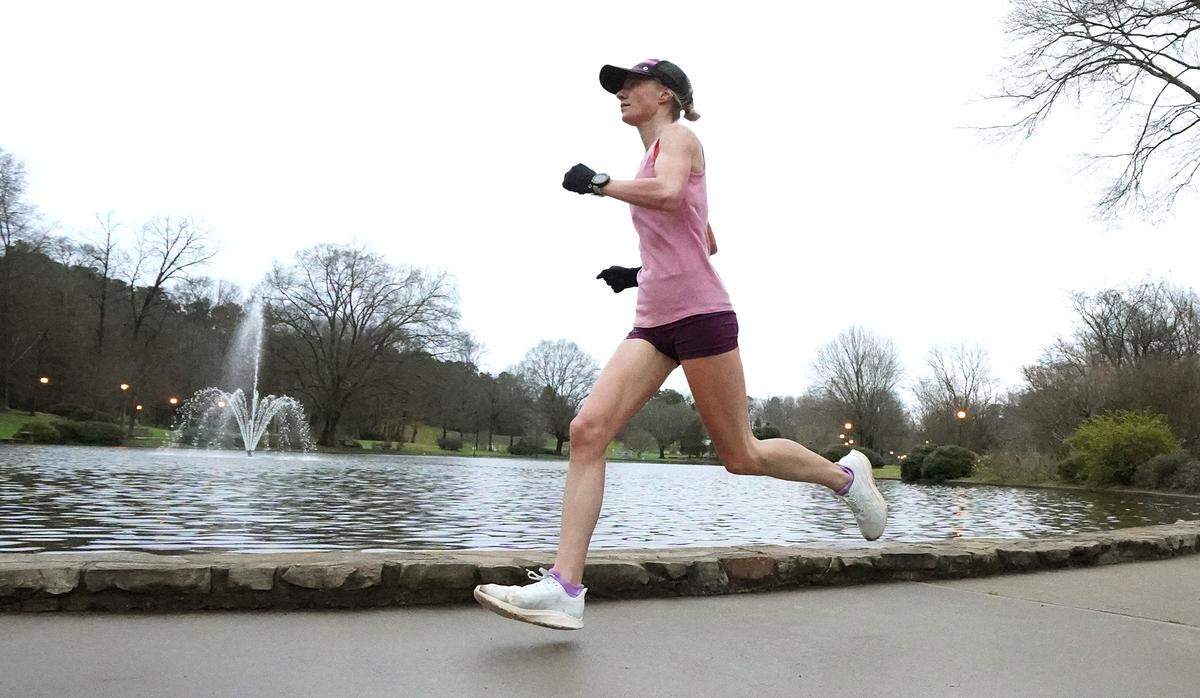
Heidi Pruess, chair of the Park and Recreation Commission, said the car restrictions were justified by the pandemic. But they create hardship for many county residents looking for a safe place to exercise outdoors, she said.
“Most people get in their car and drive to the park. That is quite simply because they can’t walk there,” said Pruess. “They may not live in a neighborhood where they feel safe to get out and walk.”
Elaine Powell, vice chair of the Mecklenburg County commissioners, said she doesn’t live near a park — so she recently asked her husband to drive and drop her off at one.
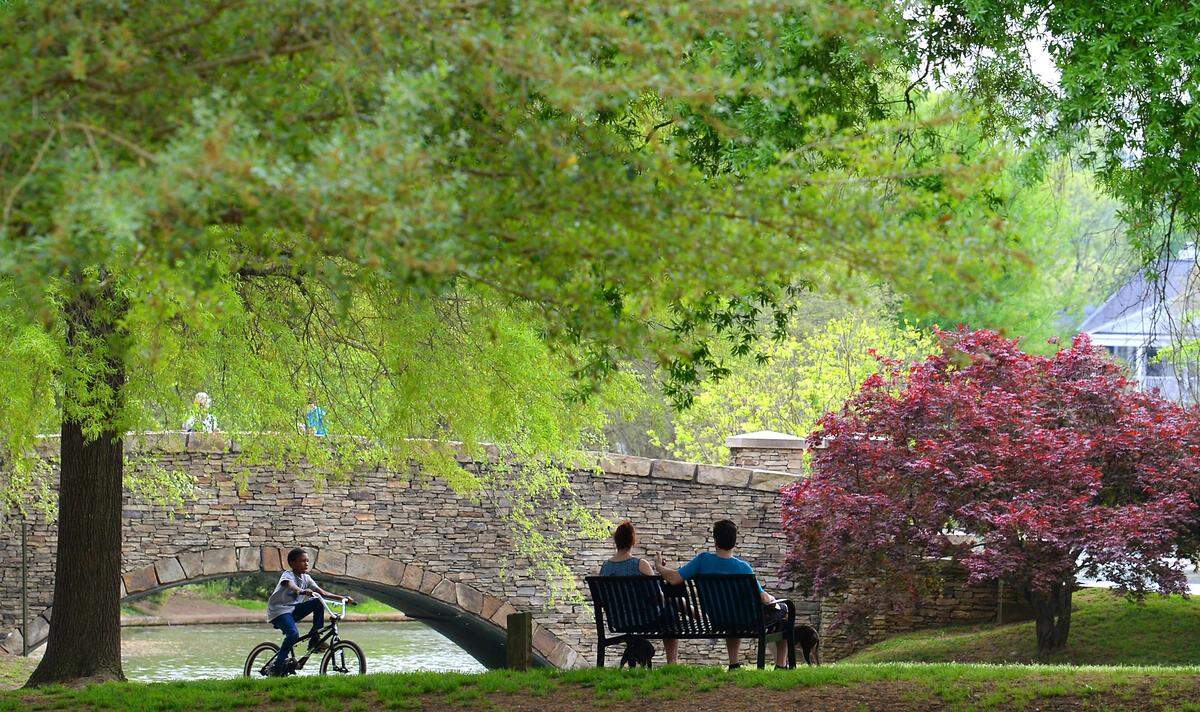
“It breaks my heart...we’ve been advocating for more parks and greenways so there is more social equity,” said Powell, a former chair of the Park & Recreation Commission. “You see the need now, but the top priority is for people to stay at home, to be compliant and to wear a mask.”
Cox said he doubts there is any effective way for Mecklenburg to close the parks entirely.
“You can declare the parks closed. But the reality is there are so many ways to access parks — particularly greenways in neighborhoods — people would still be able to access,” Cox said. “From a practical standpoint, it would be unenforceable.”
Pruess said when this health crisis passes, the issue of park access deserves further attention.
“A 10-minute walk (from any home to a park) may not ultimately be feasible,” she said. “But certainly striving to create a system where folks can get out of their cars and access the outdoors for exercise and mental well-being should be a priority.”
This story was originally published April 10, 2020 at 1:58 PM.