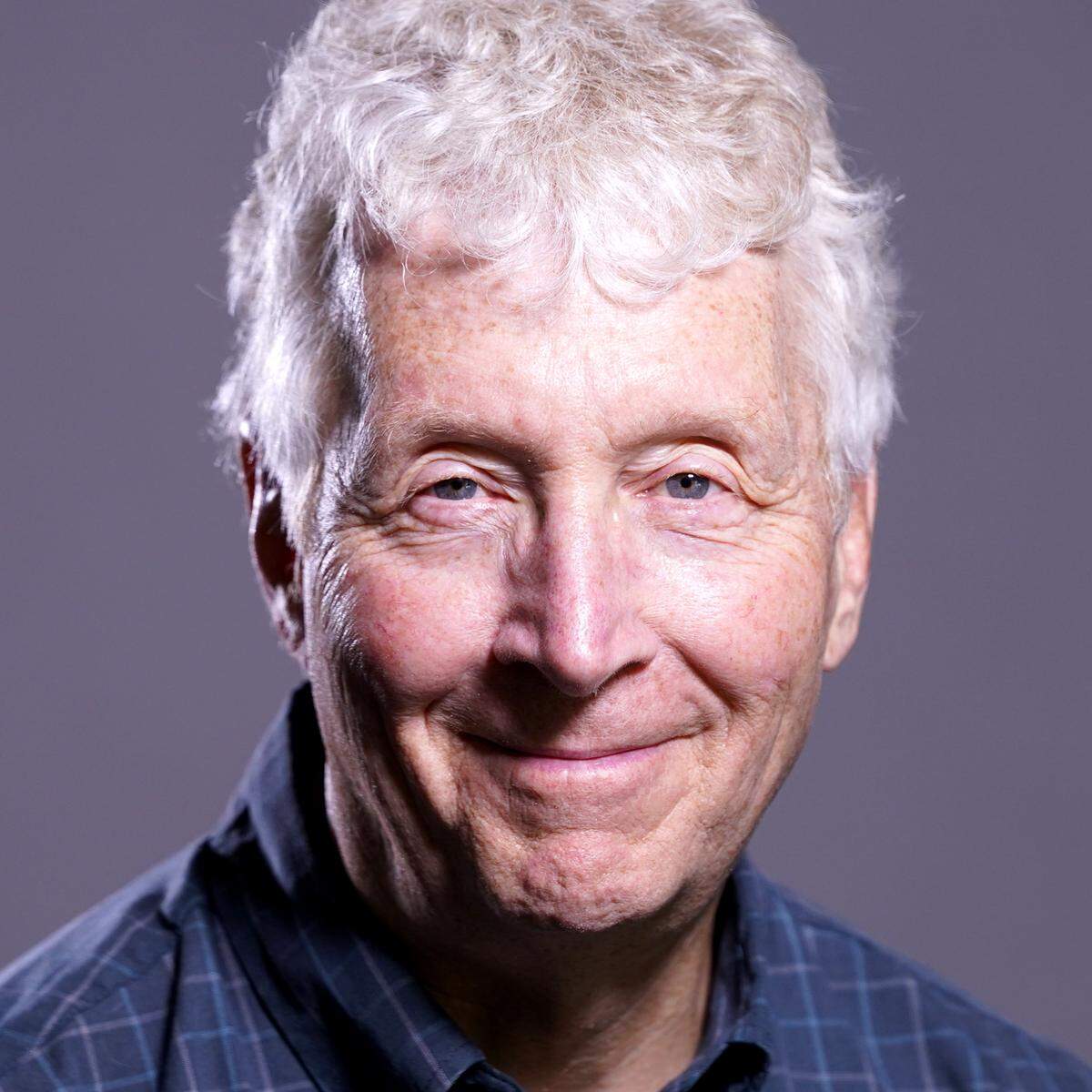
Boyd Cauble ‘helped build Charlotte’ with an unassuming style and a simple credo
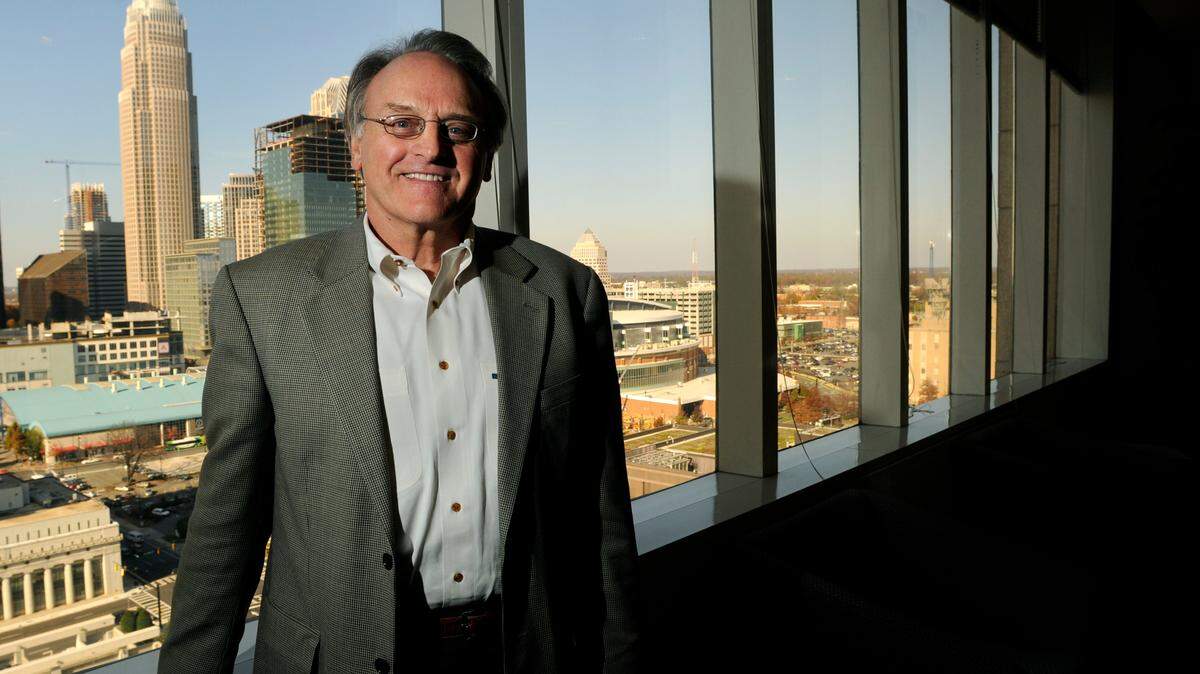
Boyd Cauble lived by a simple credo: “Just be nice to people — you’ll be amazed what will happen.”
His own list of accomplishments included some of Charlotte’s biggest projects: the Lynx light rail, Bank of America stadium, the Charlotte Convention Center, Blumenthal Performing Arts Center and the NASCAR Hall of Fame.
“He helped build Charlotte,” Mayor Vi Lyles said Monday.
Cauble died Friday after a stroke. He was 72.
For more than 37 years Cauble was the executive assistant to a parade of mayors and city managers. He pushed their agendas in the General Assembly, selling the interests of North Carolina’s biggest city to lawmakers who still chafed at “the Great State of Mecklenburg.”
“I loved him to death,” former Mayor Eddie Knox said Monday. “Boyd could get along with anybody. He had a wonderful disposition to work with people.”
Knox was Cauble’s first mayor. Then came Harvey Gantt, Sue Myrick, Richard Vinroot and Pat McCrory. Republicans and Democrats. All with different personalities and styles. Cauble not only got along with them, he was their deal-maker.
It was often Cauble who helped secure the state or federal financing or policy change that made possible the transformation of a growing city.
“For 14 years as mayor I attached myself to his hip,” said former mayor and Gov. Pat McCrory. “There was nobody better at communicating Charlotte’s needs to officials in Raleigh and (Washington) D.C. He had a unique skill to work with Republicans and Democrats without aligning himself to either party.”
Small-town roots
Cauble grew up in Kannapolis, where his parents worked at Cannon Mills. He spent time on the second shift himself while attending UNC Charlotte. Through graduate school at Virginia Tech, a stint in the Army Reserves and decades in Charlotte, he never forgot his small-town roots.
Lyles, a longtime city employee herself, remembers telling Cauble what it was like growing up Black and poor in Columbia. “I was Kannapolis and poor,” he replied in an effort to find common ground.
With a soft drawl, ready smile and unassuming style, Cauble navigated the egos of mayors and city managers. Together with his small-town roots, they also nurtured relationships in Raleigh.
In 1997, when Natalie English joined the Charlotte Chamber as a lobbyist, she turned to Cauble. Together they helped persuade lawmakers to allow Charlotte’s bond referendum for the half-cent sales tax that made light rail possible..
“Boyd was just so personable,” said English, now president and CEO of the Wilmington Chamber of Commerce. “A good lobbyist is someone who’s built relationships because it’s all about trust. So Boyd spent a lot of time building relationships.”
Along with the transit referendum, he helped find the legislative votes to pass measures that financed the convention center, the NASCAR Hall of Fame, the Blumenthal and the cluster of arts facilities on South Tryon Street.
He often accompanied McCrory to Washington, where he would always be the “good cop” in dealing with politicians and bureaucrats. There Cauble helped get housing grants that replaced aging public housing with mixed-income neighborhoods like First Ward.
“His work transformed what used to be housing projects into neighborhoods and communities,” McCrory said.
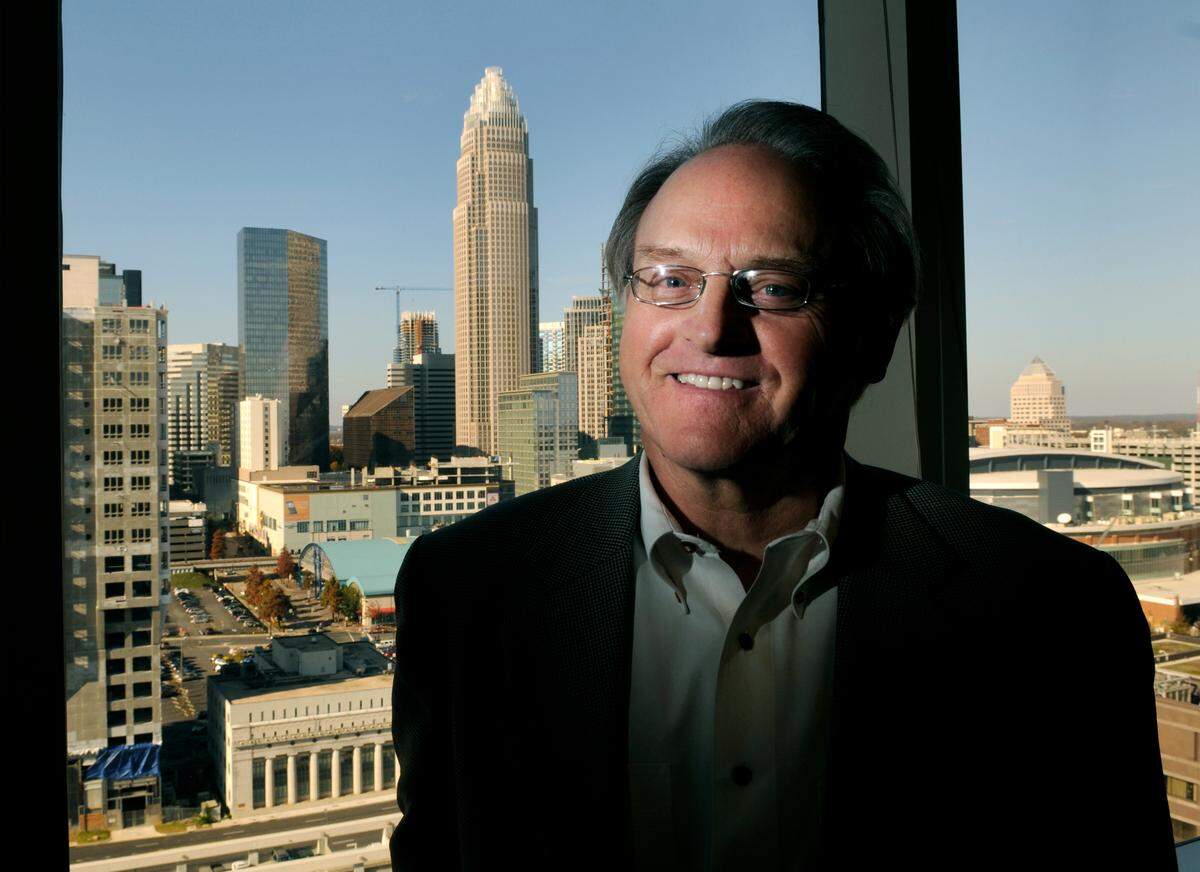
‘Loved connecting’
When he retired from the city in 2012, he went into the financial planning business with his son, Bo, who he regarded as a best friend. Together they traveled the state, leveraging Cauble’s wide network of contacts.
“You’d walk in and he’d just smile at these folks and laugh and tell a story,” Bo recalled Monday. “Business was second. . . He just loved connecting to people.”
When Cauble retired, the Observer ran a story with the headline: “The City’s Most Influential Guy You’ve Never Heard of.” That was the way he liked it.
“I’m a firm believer that if you don’t care who gets the credit,” Cauble said at the time, “you’ll get a whole lot of things accomplished.”