
Electric buses will soon be powered on Charlotte streets through a CATS pilot program
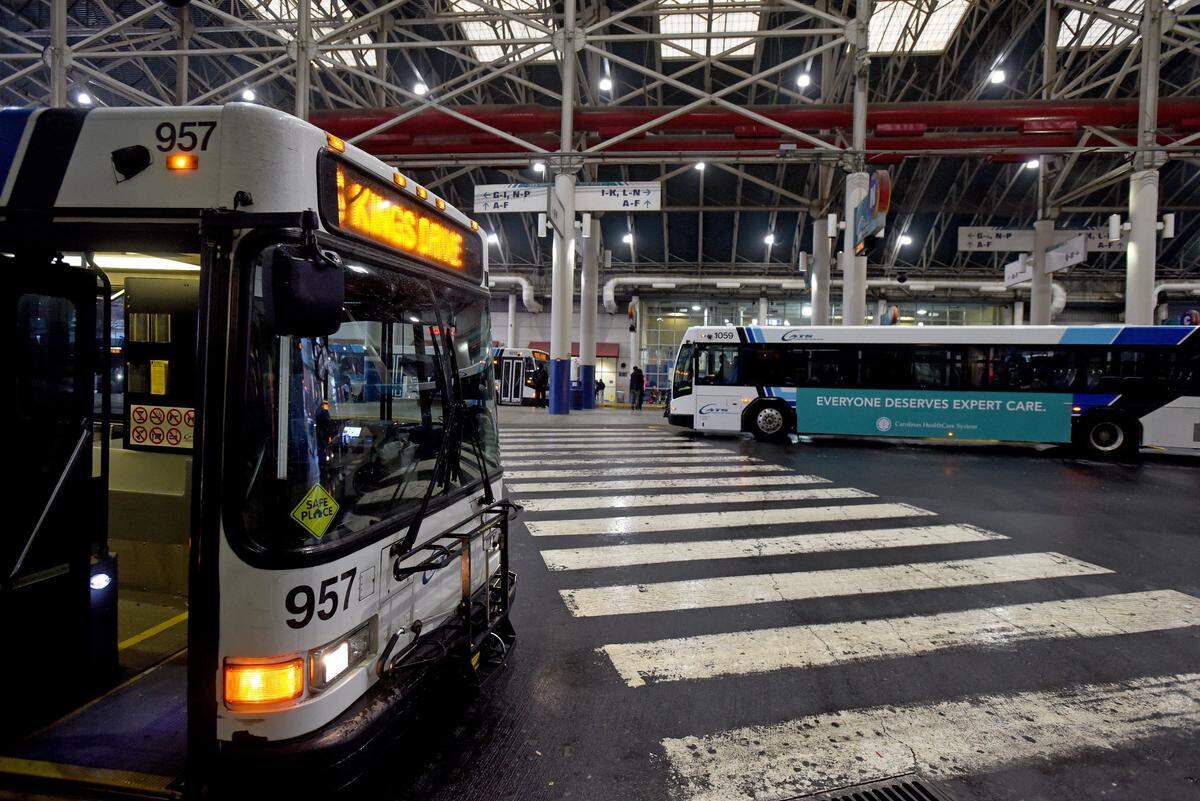
The Charlotte Area Transit System plans to buy 18 electric buses and charging equipment for almost $23 million by the end of the year, launching a critical initial investment as the city aims to transition to an entirely electric fleet over the coming decade.
The purchase is part of a pilot program, spanning 12 to 18 months, with eTransEnergy, a subsidiary of Duke Energy.
The Charlotte City Council approved the arrangement Monday, with only Council member Braxton Winston voting no as he advocated for stronger sustainability standards.
CATS will test out buses from three manufacturers, analyzing how the vehicles fare across different routes and ridership conditions in Charlotte — and if they can keep their charge all day.
Cities like Chicago, Albuquerque and Seneca, S.C., have already invested in the technology. But CATS CEO John Lewis cautioned against only extrapolating data and forgoing the local experiment, which could determine future budget requests and fleet size.
“The systems in the Northeast that have longer winters and more harsh winters are getting very different performance from maybe the same vehicles operating in a warmer, more (mild) climate,” Lewis told City Council members earlier this month. “But then vice versa, some vehicles have different operating characteristics in the heat of summer than they would in other jurisdictions.”
When the pilot ends, CATS would still keep up to 16 buses from the manufacturers not chosen for the city’s broader electrification push, Lewis told City Council on Monday. The 12-year sunk cost, the estimated lifespan of the vehicles, worried Council members Renee Johnson and Greg Phipps.
‘Not a perfect solution’
Winston said the pilot program with Duke Energy may not fully deliver on the community’s clean energy goals, particularly for future generations.
“This gets us closer to our internal goals and that is clear,” Winston told his colleagues. “But there is nuance to whether or not overall we are having the type of marginal impact that we ultimately could have.”
For now, electricity generated in the Carolinas comes from 60% non-carbon sources, said Greg Field, vice president of eTransEnergy. The goal is to reach 100% by 2050.
Lewis said the city’s only alternatives were to stick with diesel buses or choose a different energy source, like compressed natural gas, that could raise other environmental issues.
“CATS has not replaced a vehicle in two years, so we have some really old diesel buses that are still in operation that I’m anxious to transition to a much cleaner technology,” Lewis said.
Council member Dimple Ajmera said the pilot is key for Charlotte to meet its 2030 environmental goal of powering all municipal buildings and vehicles from zero-carbon sources. The city and regional partners are already pushing for cleaner energy solutions, she said.
“I don’t know where we’re going to get another opportunity like this,” Ajmera said. “I know it’s not a perfect solution, but it’s the best we’ve got.”
Price tag
Each electric bus costs $900,000 on average, Lewis said. CATS received about $3.7 million in federal funding to buy six of the electric buses and charging stations.
Lewis said CATS will not buy any new replacement diesel buses this year, which cost closer to $500,000.
Charging infrastructure will be installed and maintained by eTransEnergy at CATS’ South Tryon and North Davidson bus facilities. That will cost CATS roughly $138,000 annually under a five-year agreement, but Lewis emphasized the city is far from signing a long-term contract with Duke Energy or eTransEnergy.
If the electric buses run out of battery much earlier than expected, for example, CATS may need to buy dozens of more vehicles or invest more heavily in rapid charging stations.
Lewis said the city is discussing adding buses from Arrival, a British electric vehicle company that is bringing 250 jobs to west Charlotte. CATS is also waiting to see what additional federal assistance could come from the Biden administration.
“We believe this program will work,” Lewis said recently. “We will evaluate the performance of these vehicles, and we will be back to Council to give recommendations on a path forward.”
This story was originally published April 26, 2021 at 6:44 PM.