
Duke Energy begins building new major solar plant, its third in the Charlotte area
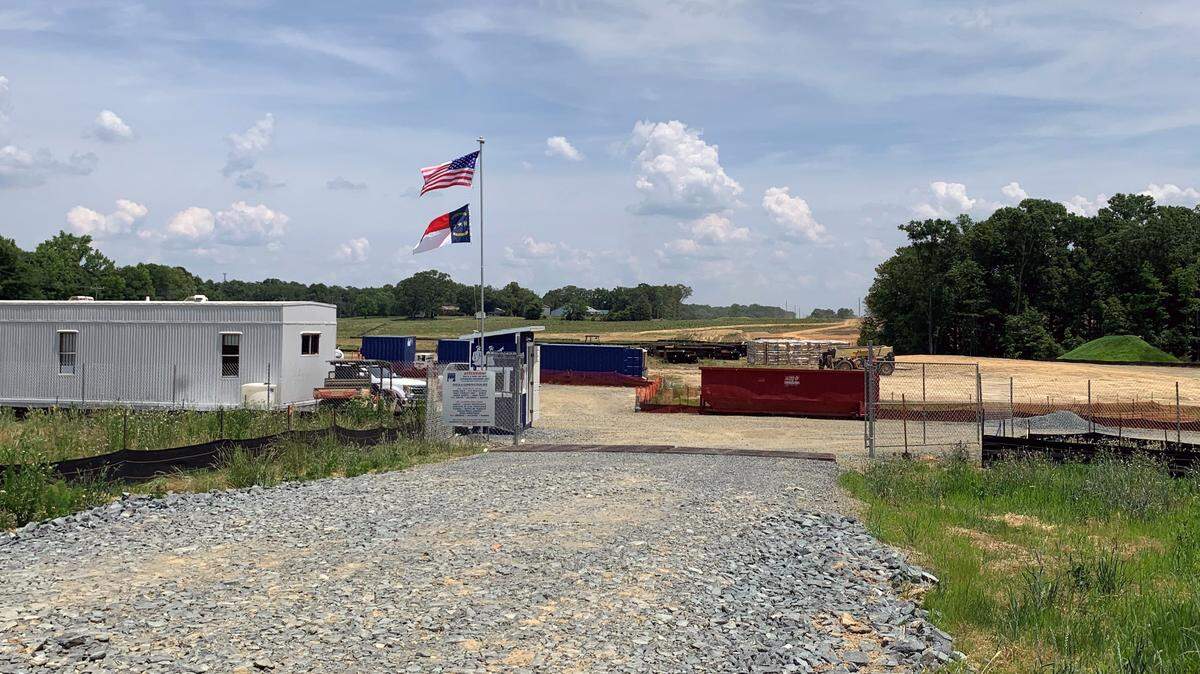
Duke Energy has begun construction on its closest solar power plant yet to Charlotte. Work started in late May on the Cabarrus County site.
The 22.6-megawatt (MW) Speedway Solar power plant, owned and operated by Charlotte-based Duke Energy, occupies 185 acres in Midland. It is expected to begin its commercial operation at the end of 2021.
The annual output of the plant is equivalent to the energy usage of 5,000 homes. The electricity generated will become available to residential households and corporations in the surrounding areas.
This is the company’s third major solar plant in the Charlotte region. Duke Energy also operates a facility in Monroe, Union County, and near Bessemer City in Gaston County.
A major solar plant in Mecklenburg County is unlikely, said Duke Energy spokesman Randy Wheeless, citing the high cost of land for such projects that are typically around 200 acres. The company, however, has plans for new solar projects in surrounding counties.
Currently, Duke Energy owns over 40 solar plants in the state, the largest ones being a 64-MW Warsaw Solar Facility in Duplin county and an 80-MW Conetoe Solar Facility in Edgecombe County. Those facilities power about 700,000 homes and businesses with over 3,700 MW of solar power.
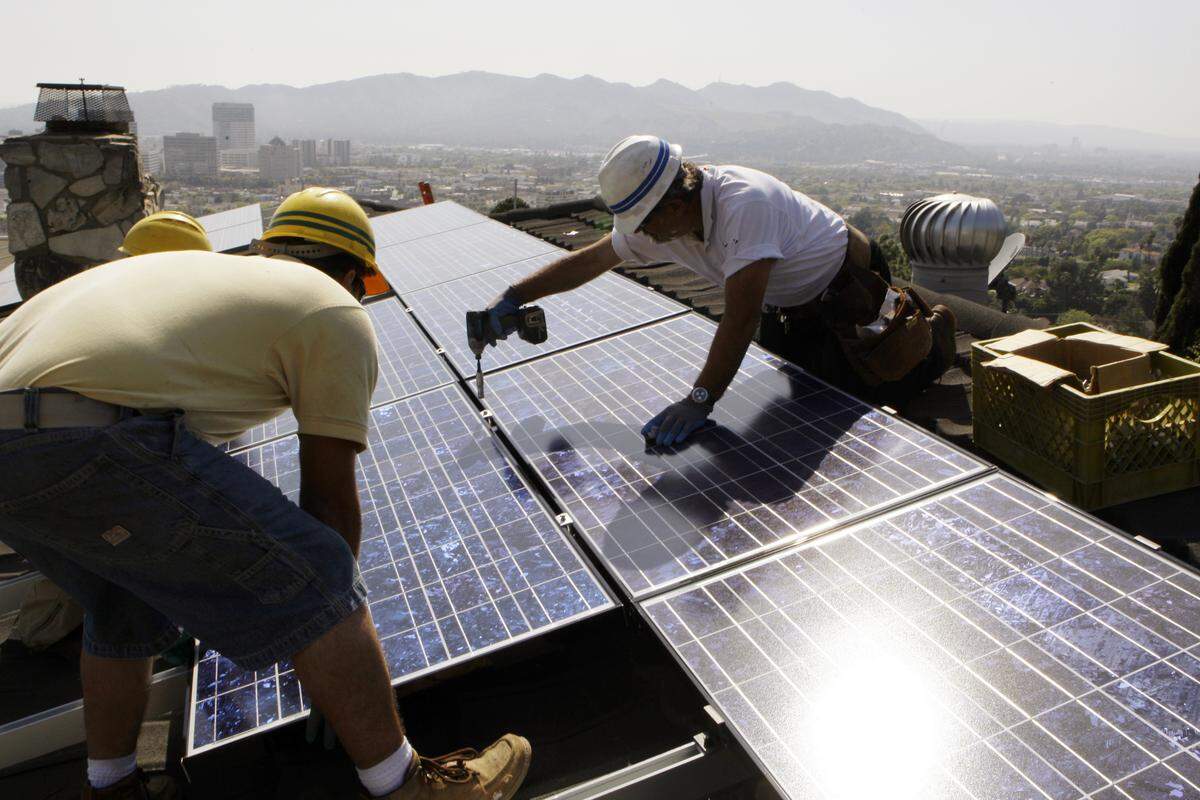
Speedway Solar is one of 14 projects selected under North Carolina’s Competitive Procurement of Renewable Energy (CPRE) program in 2019. CPRE was developed from a 2017 comprehensive energy legislation promoting solar power in the state signed by Gov. Roy Cooper. Under the program, companies bid to develop cost-effective solar plants.
Wheeless declined to state the cost of construction for the Cabarrus site, but noted that Duke Energy is building it for less than the average cost of $41 million for a project that size.
Close to 100 workers will be employed during the construction process of Speedway Solar, Wheeless said. After construction, the power plant will bring indirect economic benefits to Cabarrus County through tax revenues.
“We’ve had good relations with the community out there. I think it’s gonna be a very positive thing for the county,” Wheeless said.
Net-zero carbon goals
The new facility is another step towards the company’s net-zero carbon goal of 2050.
Over the last decade, Duke Energy has retired 52 coal-fired plants, replacing them with cleaner natural gas plants and renewable power sources, including solar, natural gas, and hydroelectric energy, to reduce carbon emissions.
Over half of the company’s power generation in North Carolina is carbon-free, according to Wheeless.
In its 2020 Sustainability Report, the company said that it has reduced carbon emissions by 40% in its electricity generation since 2005. By 2030, it expects to reduce carbon emission by 50%, and reach 30% of electricity generation by solar, wind, and hydroelectric energy.