
Flashback: How NC 150 in rural Cherryville was expanded before congested Lake Norman
Editor’s note: This “Around the Lake” column originally appeared in The Charlotte Observer on Feb. 1, 2009:
N.C. 150’s traffic-clogged stretch through Mooresville should have been expanded in the early 1990s, but a member of the N.C. Board of Transportation helped get a far more rural, less heavily traveled leg completed first.
Despite protests from residents along N.C. 150 from Cherryville in Gaston County to Lincolnton in Lincoln County, the state decided to expand that section instead of the Mooresville leg at Interstate 77 Exit 36.
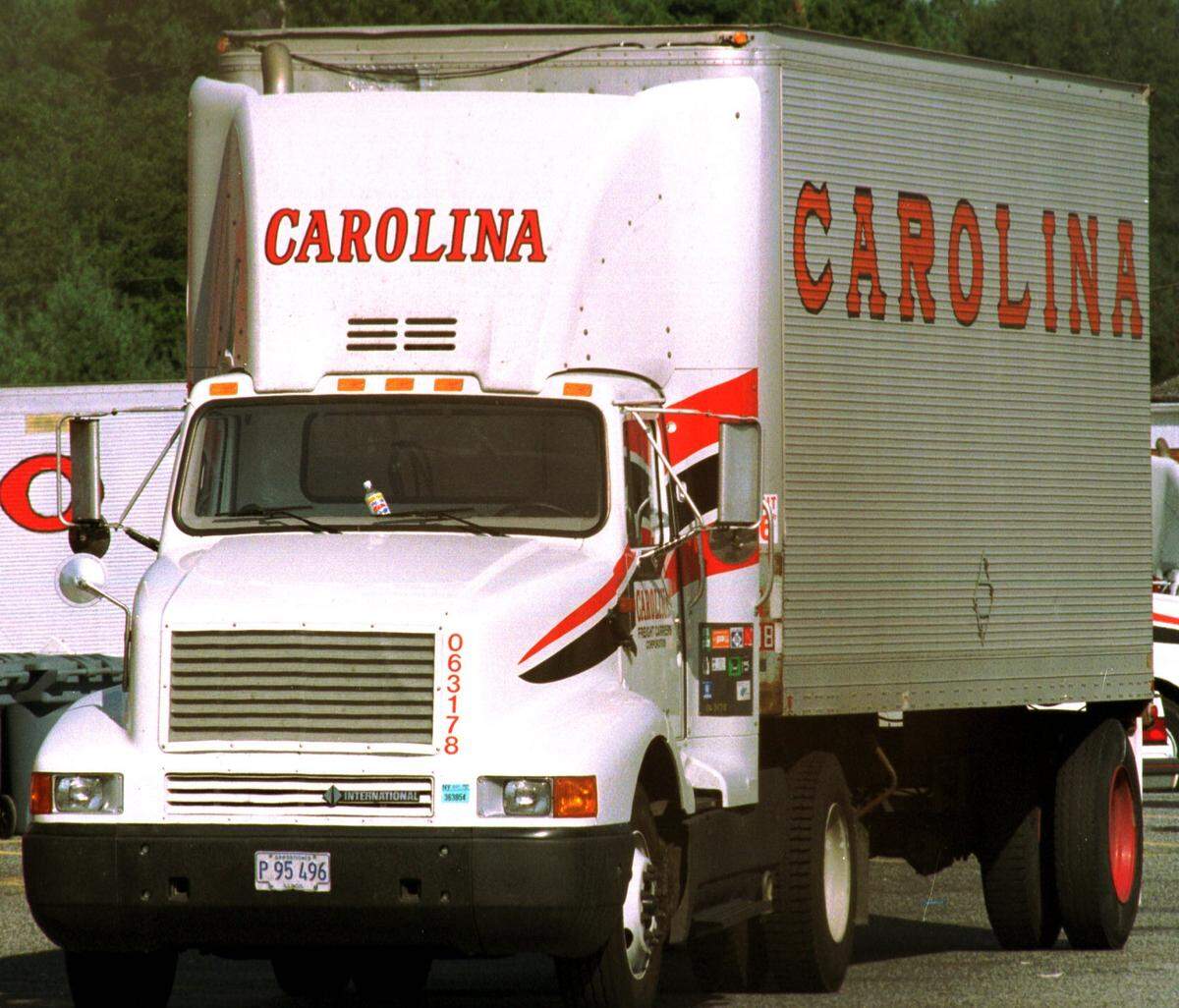
Cherryville had the nation’s sixth-largest trucking company, Carolina Freight. Its chairman, Kenneth Younger, was a member of the N.C. Board of Transportation in the 1980s.
Younger’s term expired in 1990, but not before he’d voted four times for state highway plans that advanced the proposed widening of N.C. 150 through rural Gaston and Lincoln counties. The 9-mile, $44 million project began in front of his company’s terminal.
“All I was doing as a board member was following the wishes of the residents of Gaston County,” Younger told me in 1993 when I wrote a front-page Charlotte Observer story about his Board of Transportation votes.
Younger told me the project, backed by business and political leaders in neighboring counties, would be of minimal benefit to his business and that the sole purpose of his votes was to benefit local residents with a safer road.
Residents along the Cherryville stretch thought differently.
“I don’t know why we have to have a road when we don’t need one,” resident Malinda Reep told me at the time. “I’m looking out my window right now and there isn’t a car out there.”
The Reeps and other residents told me they didn’t even know about the project - though Carolina Freight started lobbying for it in 1983 - until surveyors showed up in their yards in the early ‘90s.
Carolina Freight executives, along with other Gaston, Lincoln, Iredell, Catawba and Cleveland business and political leaders, began lobbying then-Gov. Jim Hunt in October 1983, three years before Younger joined the transportation board, documents showed.
“It’s not a conflict,” Younger said of his votes. “If I was the one who pushed it to be on the TIP (the state’s Transportation Improvement Plan) in the first place, then it could have been construed to be a conflict of interest.”
Carolina Freight executives were among at least 15 business and political leaders who met then with Hunt after forming the N.C. 150 Improvement Committee. The Cherryville-based committee’s ultimate goal was to see the road widened to four lanes from its links with I-85 near Gaffney, S.C., to the China Grove intersection with I-85 in Rowan County.
The road’s backers said it would promote economic development throughout the Piedmont and improve safety.
The project also would give Carolina Freight faster access to the interstate system, but the company was sold in 1995, and 1,800 people were laid off.
Govs. Hunt and Jim Martin had benefited from campaign contributions from Younger or his company, although Younger insisted back then that the contributions were in no way intended to influence the N.C. 150 project. He said the donations were part of contributions to numerous state and local candidates over the years by the company’s executives and political action committee.
Mooresville Mayor Bill Thunberg told me last week that he, too, remembers how the N.C. 150 work in Cherryville effectively curtailed plans for relief on the Mooresville end.
He was elated to hear from me that the state has now agreed to fund a 22.6-mile stretch from Exit 36 to Harvell Road in the Catawba County town of Catawba.
Carolina Freight’s influence on N.C. 150’s expansion in Gaston and Lincoln counties showed how politics could steer state road-building decisions - politics I’m glad newly elected Gov. Beverly Perdue has vowed to remove.
She recently ordered that the state Board of Transportation cede its authority to approve road projects to the Secretary of Transportation. Decisions will be made by the department’s professional planners and engineers, and the board will serve as a planning group.
Like relief for N.C. 150 in Mooresville, removing political influence has taken all too long.