Her son bullied a kid on the bus. What this mom did next captured neighbors’ hearts.
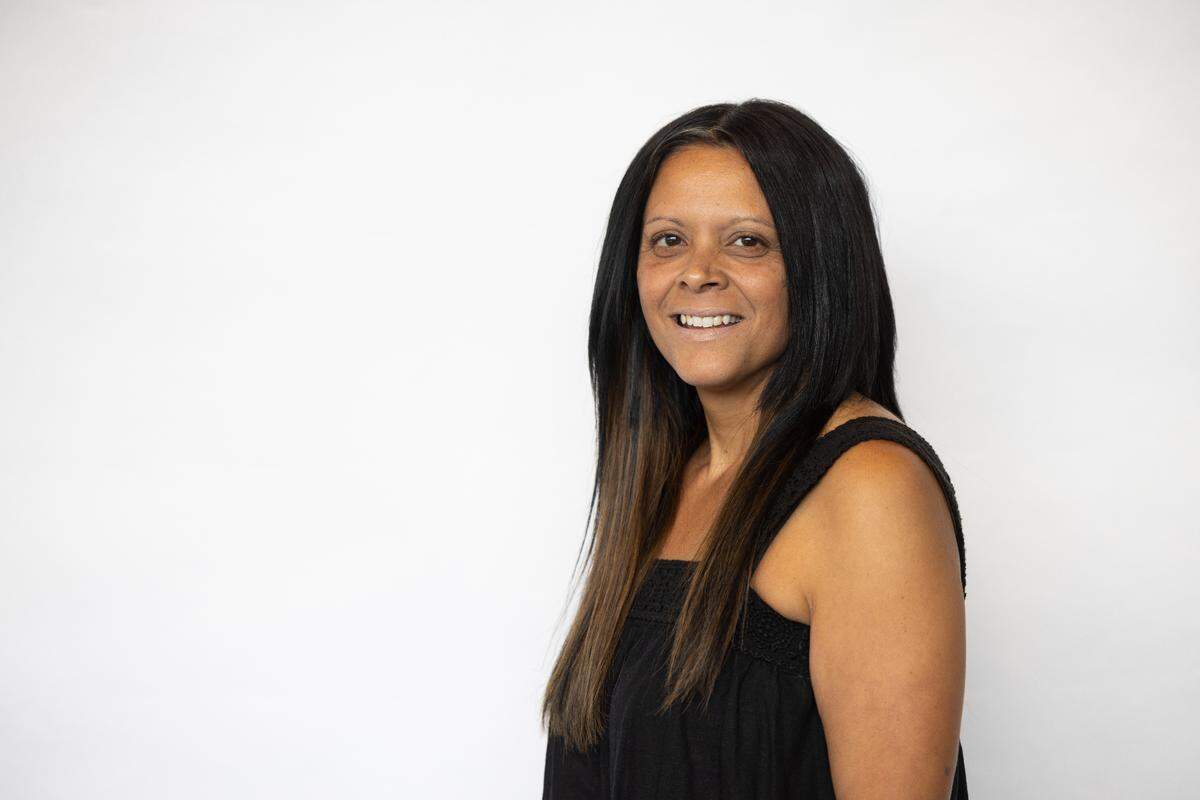
Reah Robinson wants you to know her 6-year-old is an amazing little guy.
The first-grader in Cabarrus County Schools loves to help and wants to be a part of everything. His favorite subject is P.E. and his hobbies include card games, playing with his sisters and playing the online game “Among Us.”
Her youngest child is typically a gentle friend and considerate child.
That’s why Robinson, a 36-year-old mom of five, was shocked when she heard a few weeks ago that her son had taken and thrown things at a child on the bus.
The behavior — Robinson called it bullying — was out of character.
“He acknowledged what he did was wrong, and concluded that he did it because it made a friend laugh,” she said.
The mom and son talked intently about how the other child and the child’s parents might feel about his behavior. Cox Mill Elementary School, for its part, suspended the little boy from the bus for about a week. And Robinson had her son write an apology to the other student for the school to pass along.
Plenty of parents might have left it there.
Robinson’s heart, though, especially ached when she learned that the child her son taunted on the bus that day didn’t — or rather, couldn’t — speak up or defend themselves much. A video from the bus ultimately would indicate he’d bullied a child who is nonverbal.
What Robinson did next was simple.
She started typing: “To the parents of the child my son has been bullying ... “
And went on with more detail plus: “... He has not been taught to be an a--hole and will be given consequence.”
Right away, the smileys and hearts started appearing underneath her post on NextDoor. Then the private messages began. And the comments racked up in the hundreds.
Mom’s viral NextDoor apology
The NextDoor post initially, for Robinson, was just a means to try and reach the other child’s family. The Charlotte Observer agreed to not use the name of Robinson’s son in order to protect both the young boy’s identity, as well as the child on the bus who was bullied.
“I never ever want for a child who can’t defend themselves to be targeted by my child or any child I can redirect,” she said. “I just honestly need for the parents of this child and this child to feel supported.”
But the apology she wrote — just 72 words in all — quickly went viral in and around the Highland Creek-area neighborhood where they live.
Robinson’s post in it’s entirety: “To the parents of the child my son has been bullying: If your child attends Cox Mill Elementary and rides the bus into Wilburn Park Lane (as the child’s personal info wasn’t given to me) he and I apologize for his behavior as he has not been taught to be an @$$hole and will be given consequence.
‘’Feel free to reach out to me personally if this applies to you. Thanks.”
While she has yet to hear from the family, she was pleasantly surprised by how neighbors responded, thanking her for taking responsibility as a parent and holding her son accountable for his actions.
“I wish more parents were like you,” one person wrote.
Many called her parenting impressive, what responsible parenting looks like, and one person said: “Good job mom! Sometimes our kids act in ways they weren’t raised.”
“Parents reacted the way they did because they either related, appreciated my addressing the situation and taking action and some people reacted because they have been on the receiving end of bullying and wish someone would have taken the action I took,” Robinson said.
Tips to talk about bullying
James Dillon, a lead coach for The Center for Leadership and Bullying Prevention, has been an educator for more than 35 years and developed the Peaceful School Bus Program. The program, designed to prevent and reduce bullying, is implemented in schools across the country.
Dillon told the Observer this week that if parents have reason to think their child has bullied another child, it’s important to stay calm, make sure your child knows the purpose of your talk is to help him/her learn from life experiences and don’t use “bully” as a noun. Meaning, a child may bully but adults should avoid calling them a “bully.”
“Children should not have their identities be shaped by their worst actions,” said Dillon, who wrote the book “No Place for Bullying.” “They are works-in-progress, meaning that they will make mistakes in the social emotional world just as kids make mistakes academically.”
He said to try to get your child to think about how the other child who was bullied must have felt, make it clear that honesty and responsibility are things your child is capable of demonstrating and how you are proud of people who can admit their mistakes and learn from them.
Like in the case of Robinson’s son, Dillon said many times children who bully do so to impress bystanders, meaning that they often have leadership qualities.
“Tell your child that he/she must choose how they should use their qualities and they can ‘lead’ others to do positive things,” Dillon said.
Dillon’s other tips include:
- Make it clear hurting others isn’t just against the rules but goes against your family values and the values that the child knows in his/her heart.
- Give the child time to think and process and re-schedule a time for the child to share any thoughts that they have, and put consequences at the end of the talk.
- Sometimes boys have trouble with eye contact when they are on the spot so you could go for a walk for part of the discussion. For younger kids, Dillon said let them play with some hand toys for part of the talk or at least to get started.
Robinson agreed and said it was important for her to figure out why a child has bullied.
“Sometimes the kid isn’t being malicious; sometimes they are being picked on, sometimes it’s a response, and sometimes they’re just being mean,” she said. “So determining which is the case is important.
“Next, I would say use your resources. Sometimes we are scared to team up with school administration because of a negative previous experience. With these people being around our kid sometimes more than us in a day, using them as a resource for a team effort can be vital.
“Communicate with your child and teach them that the best apology is changed behavior.”
It takes a community
Robinson had her son write a short apology letter to the child he bullied and the child’s parents. A person from the school delivered the apology — a move to keep the situation discreet, yet still allow communication and accountability on her son’s part.
“Two things are largely important here: an appropriate response to unhealthy behavior and the responses from the community,” Robinson said. “This type of community support is so needed in a world where technology and social networks can be used for so much negativity.
“My goal … is to positively encourage healthy social support and show that communities can come together for good in so many ways.”
This story was originally published November 24, 2021 at 6:00 AM.