New Charlotte film tells immigration story through eyes of a 6-year-old
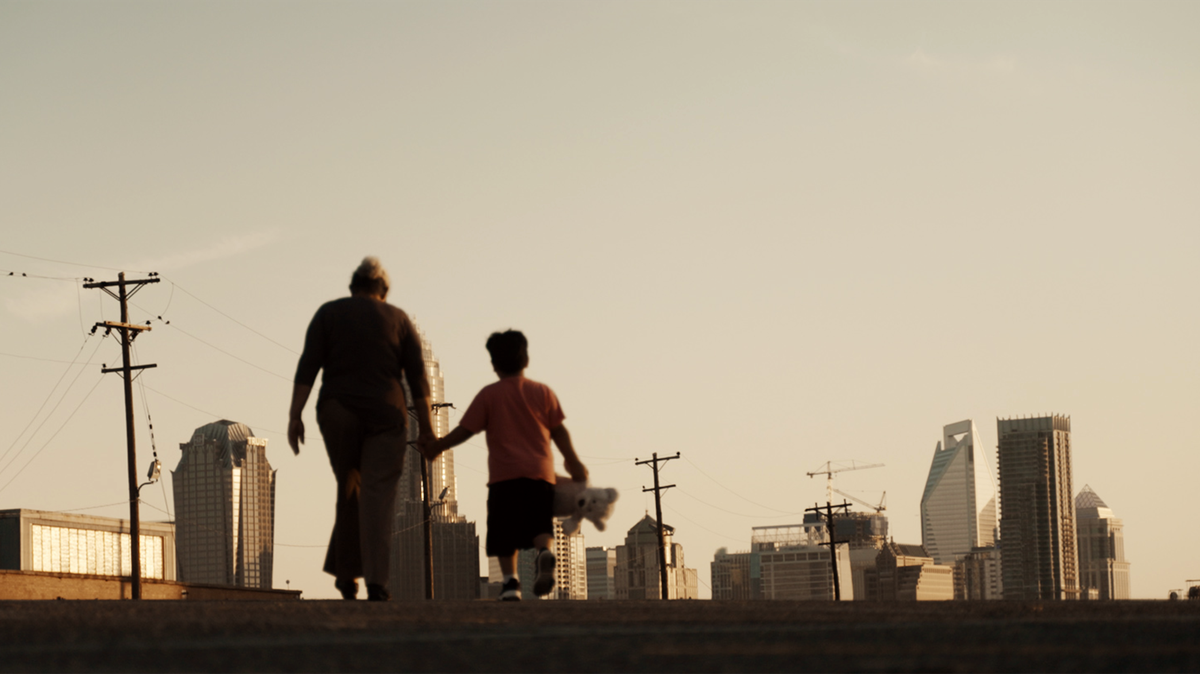
Imagine being six years old, in a new country and without your parents.
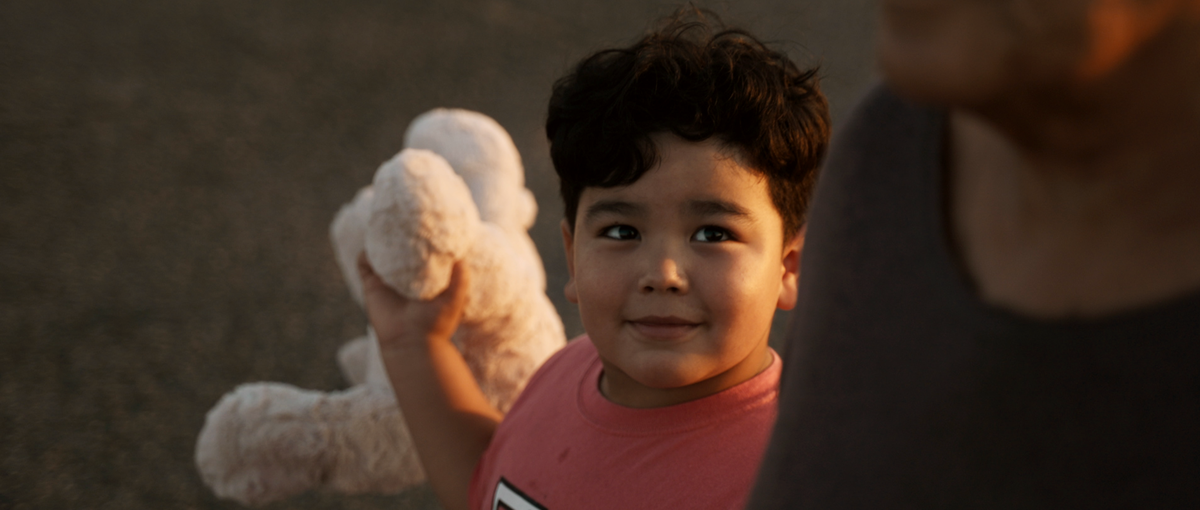
Now you can, through a new film created by Charlotte’s Camino Health Center. Starting Tuesday, audiences can follow José’s journey from Mexico to North Carolina to live “the American dream.”
The movie is based on the story of a real-life grandmother-grandson duo that the Camino Center helped last year. The main characters’ names have been changed and some of the situations have been slightly adapted for their personal safety.
The Camino Center premiered the film “Abuela” for a limited audience on Monday and uploaded the movie to its website for Giving Tuesday, observed after Thanksgiving to promote donations for various causes and organizations. The center hopes that the film’s release will raise money for families in crisis, like Abuela’s.
The center, one of the region’s only bicultural and bilingual community centers, was started in 2004 to serve the health care needs of the local Latino community, but has since expanded to include wraparound services — like the ones José and Abuela needed months ago.
About the movie
Last year, Abuela’s family, which included her daughter, her daughter’s boyfriend, and their son José, fled the Mexican cartel and came to the United States.
But it didn’t take long for Abuela’s “American dream” to become a nightmare.
Soon after their arrival, her daughter’s boyfriend murdered her daughter and was arrested, leaving Abuela and her grandson alone. “Abuela” means grandmother in Spanish.
Abuela and José spoke very little English and struggled to make their way in the new country. The duo couldn’t find housing, and Abuela had a serious health crisis when she caught COVID-19.
At the time, Felix Lopez was working as the director of small groups at the Camino Center. Through his work, he connected with the real-life Abuela. Since then, the center has provided her and her family with the food, housing and medical care they needed.
“When we heard Abuela’s story, we knew it was an important story to tell,” said Molly Flynn, who wrote the movie script and serves as the center’s marketing and communications director. “It was tragedy after tragedy, which led to absolute hopelessness.”
Flynn started the script in March, and the movie was shot and edited over the course of six weeks. Flynn said she wrote from the viewpoint of José to showcase his innocence and how traumatizing the ordeal was for their family.
“It makes the story more tragic.. This boy who has so much hope, telling the story of his mom dying and him losing his home,” Flynn said.
Flynn said the most important thing the Camino Center provided to Abuela and José was just that — hope.
How to donate
Through the community at Camino, Flynn said Abuela and José are now thriving in Charlotte. But there are many Latinos locally who are still struggling.
“While her story is unique, in many ways, it’s not,” she said. “There are many people like Abuela and her grandson who face crises like that in our very community.”
And the needs of Charlotte’s Latino community have only been exacerbated during the pandemic. A survey conducted by the Camino Center earlier this year showed how disproportionate those effects were.
Nearly three-quarters of survey participants said they had difficulty paying medical bills due to the pandemic. And 71% said they had trouble acquiring food and paying for housing. Two-thirds of participants said it was hard to get medicine due to COVID-19. A majority reported financial and emotional stress.
Lopez, who plays the daughter’s boyfriend in the film, said he thinks some of those needs haven’t been met because of distrust in the Latino community.
“They need someone they can believe,” he said. “I think that’s us.”
It’s Flynn’s hope that the movie encourages people to become involved and support Latinos in the Charlotte community.
When people visit the Camino site to watch Abuela on Tuesday, they can also explore ways to get involved, Flynn said.
“These are our neighbors… families like Abuela’s,” she said. “We don’t want to just make people sad or hopeful. We want people to do something.”
This story was originally published November 30, 2021 at 8:17 AM.