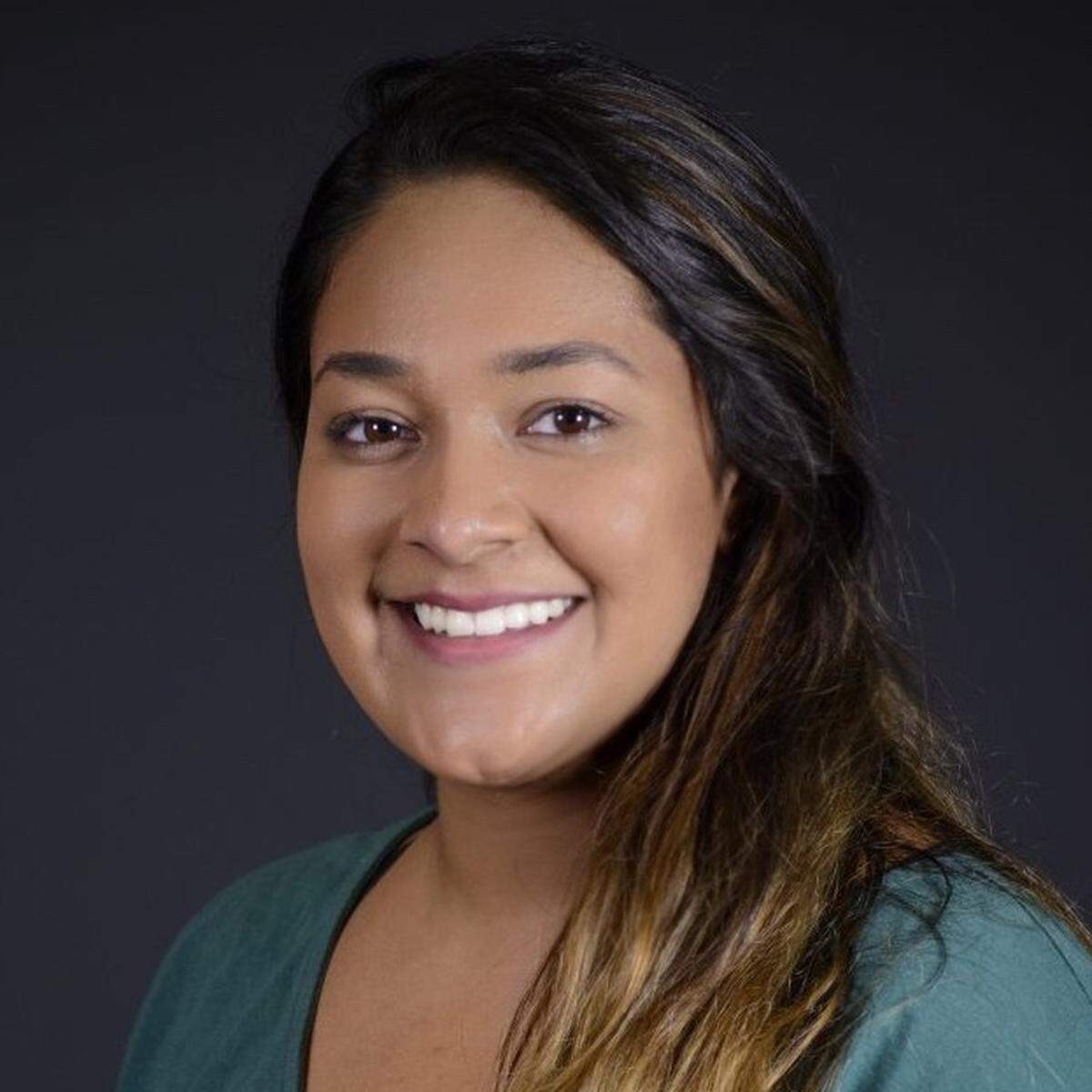
‘Losing kings.’ When young Black men are killed in Charlotte, mothers pick up the pieces.
It almost feels like Malika Muhammad grew up alongside her son.
She gave birth when she was 16. Having Isaiah taught her to be a mother, she says, and then he became her best friend.
“I was walking right side by side with him.... I had him so young, so I made sure that every choice that I made was for the betterment of myself and for my child. I put my child first,” she said. “My life was no longer my life. I lived my life for my son.”
Now with him gone, she’s struggling to find her purpose again.
Her son was one of 45 young Black men who lost their lives to violence in Charlotte last year. He was 22.
In 2021, 98 people in total were killed, according to data from the police department.
Like in years past, homicide victims in Charlotte were disproportionately Black men. Nearly half of all people killed were Black men between the ages of 18 and 36 — higher than any other demographic by age.
Violence is persistent in many young Black men’s lives — a Black man living in America has a higher risk of dying from homicide than from a stroke, government data show.
Statistics like that keep Muhammad awake at night, thinking of what else she could have done to protect her son.
“I lived my life based on Isaiah. Since he’s no longer here, I just feel lost.”
‘Death was knocking on my door’
His mother named her son — Isaiah Jeremiah — after biblical prophets. She hoped that would influence his life.
“He didn’t have an evil bone in his body,” she said. “I just adored him. He was so good.”
And he wasn’t just good to his mother — without a father figure in their lives, his little sisters Laila and Makayla often relied on their big brother, who was 13 years older. With their mom working during the day, Isaiah Muhammad worked late at night so he could be home to get his sisters ready for school early in the morning.
“He changed Pampers, he made bottles, he did everything,” she said. “He really stepped up to the plate… Isaiah was always right by my side, and he knew I’d do the same for him.”
On the morning of his death on March 14, 2021, he took his little sisters to play at the park while his mother was busy. When they returned, Isaiah got ready for work, smiled at his mom, told her that he loved her before leaving.
“I would have never thought that would be the last time I saw my son,” she said.
“It’s one of those things where I look back now, and I’m like, ‘Did he know this was going to happen?’”
She felt sick that night before going to bed.
A few hours later, she was wakened by a deafening banging.
“It sounded literally like death was knocking on my door,” Malika Muhammad remembers.
She found her own mother hysterically crying at the door, telling her Isaiah had been shot. Her heart “just got stuck” — and it hasn’t been right since, she said.
She would later learn Isaiah was riding in a car with a couple of coworkers after his shift ended. When they arrived at one of the passenger’s destinations, an apartment complex near South Boulevard and Arrowood Road, people started shooting at the car. It was just after midnight. Isaiah Muhammad and 27-year-old Lee’Vantay Rankin died from gunshot wounds and police later arrested two men and a teenager in the murder.
“There was no confrontation, no words,” Malika Muhammad said. “It was for nothing.
“I just fight every day because I feel like now I’m forced to be here. I just have to keep going every day and I’m so miserable inside.”
Data is ‘devastating’
Muhammad knew the world she was bringing her son into.
Starting at birth, Black Americans die at disproportionately greater rates than their white counterparts at almost every age, and they have a lower life expectancy — especially men.
That’s why she said she involved Isaiah in as many programs and activities as she could, keeping him busy and out of trouble. She even moved from New Jersey to North Carolina, where she thought it would be a safer place to raise three children.
“As a Black woman with a son, they already have strikes against them when they’re born,” she said. “We grew up in church, so we know we’re born into a world of sin. There are things you have to look out for, and you almost have to be somebody else.”
Nationally, ”young Black men and teens made up more than a third of firearm homicide victims,” USA Today reported last year, based on 2019 federal gun death data. From ages 15 to 34, Black males were 37% of the victims nationally — while constituting only 2% of the U.S. population.
The prevalence of guns in the community has recently skyrocketed, especially among young people. This year, the Charlotte-Mecklenburg school district set a 10-year high for finding guns in schools — experts say it’s a predictable rise, considering the increase in gun sales and violent crime.
Lisa Crawford, leader of Charlotte-based grief support organization Mothers of Murdered Offspring, says the data is “devastating.”
“We’re losing so many of our young great minds, our future, to senseless acts of violence. People just have lost their ability to communicate and to solve simple disagreements,” she said. “Young people are resorting to using weapons of mass destruction, pointing them at people and pulling the trigger.
“It really does just take your breath away.”
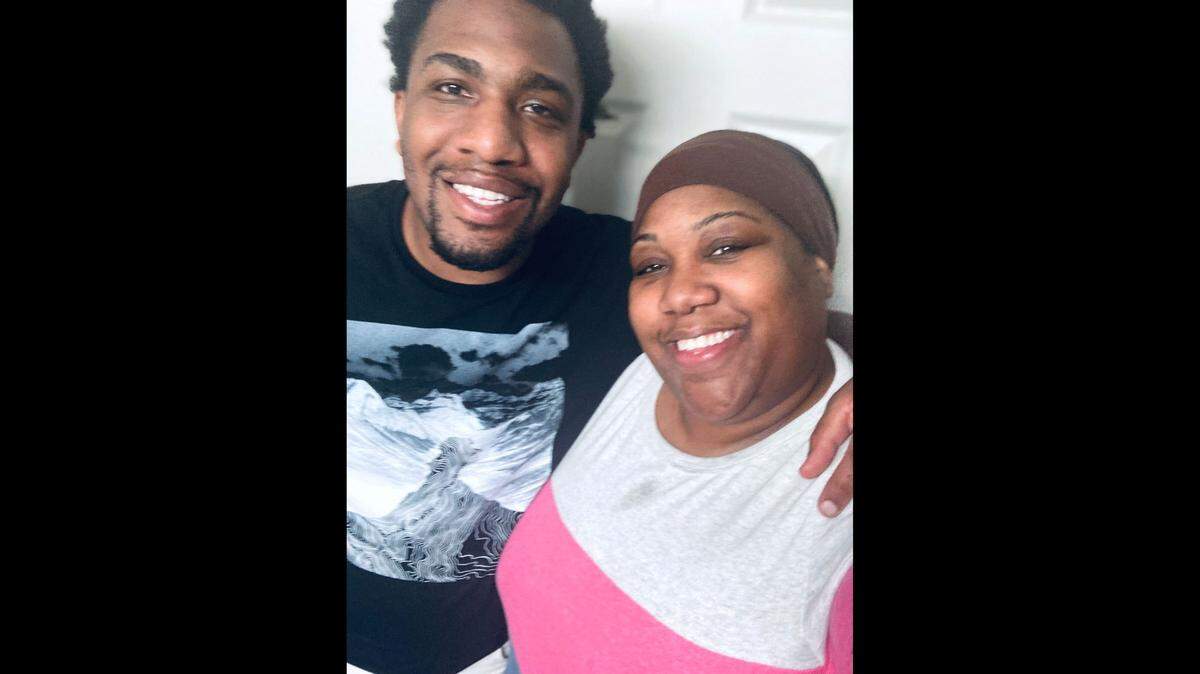
Caprice Perry lost her son William Perry in March, just a week after Isaiah Muhammad died.
At 26, William Perry played a similar role for his little sister, who he was older to by almost two decades.
“She looked at him like a superhero,” his mother recalls.
Though William was “in and out of trouble,” he wasn’t violent, Perry said. So when she got the call her only son had been found shot dead in a car at 1 p.m. near the Tuckaseegee Park, she was dumbfounded.
“People don’t take into account what the family goes through,” she said. “Until it happens to them.”
In April, two people were charged in connection with the case.
Precious kings
Mostly, the aftermath is the same for every family when a son, brother or father dies.
“There’s all the debris — the grief, the sorrow, the regret, the rage and the loss of this future,” Crawford said.
But for Black families in America, the loss is layered, and especially devastating.
“These are precious kings in our family of Black America. We are losing young kings,” she said. “They have played so many roles in their family. Not only are they sons, but sometimes they’re also the father figure to their siblings. Sometimes they’re a provider for their family.
“So within their family and community, all of the mothers and sisters and daughters they leave behind, these people have a huge void of not only this person but everything they represented.”
Muhammad described Isaiah as her “joy” — it’s an emotion she feels she’s lost forever, along with the life of her firstborn.
“I’m thankful that I had him for the 22 and a half years that I did,” she said. “The love I have for my son, it’ll never die. It’ll never fade away… but this has caused me a great deal of damage, and I don’t see any repair.”
It wasn’t until Crawford became a mother herself that she understood the special relationship between mothers and sons. As violence in Charlotte grows, Crawford fields more and more calls from grieving moms who turn to her organization for help. Crawford understands that bond intimately.
“To hear mothers talk about their sons is so deep and so embedded in their being,” she said. “Even after they’re gone, when they’re just talking about their son, you can hear the smile, the joy, the love.
“These mothers are going to survive this — they have to, because so many people depend on them. But they’ll never get over it.”
This story was originally published January 14, 2022 at 6:00 AM.