North Carolinians are tired of unwanted robocalls. There are effective ways to avoid them
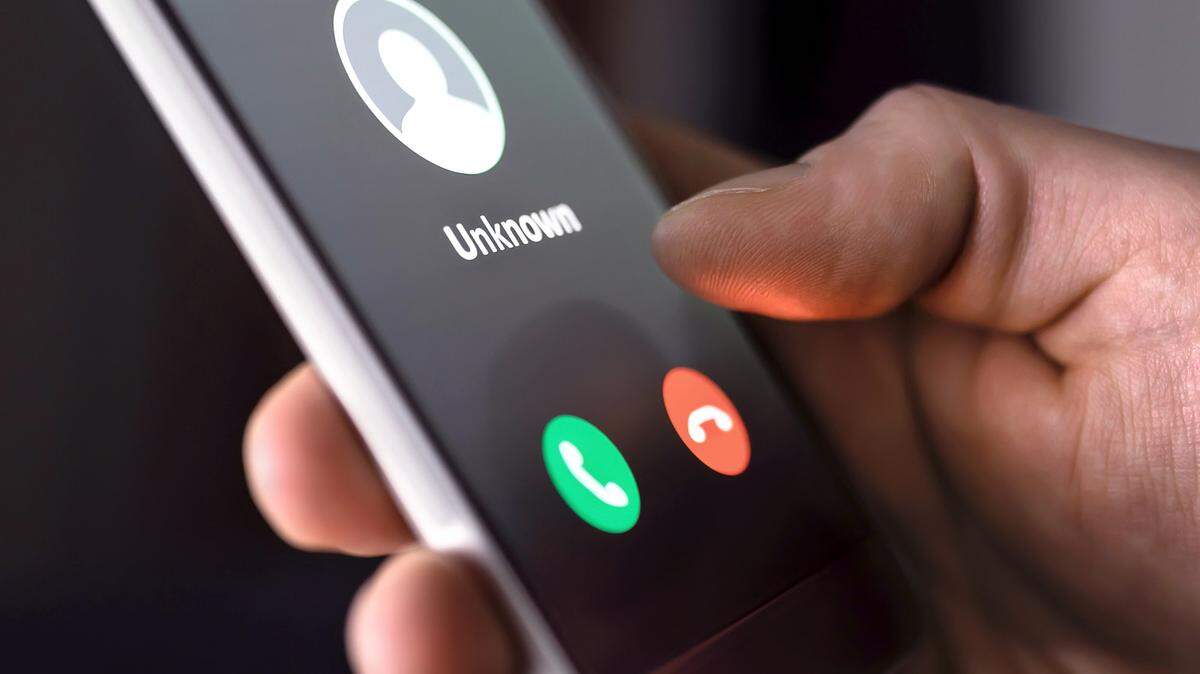
For many, robocalls and telemarketers are impossible to dodge.
The calls are often frequent, and outside of measures Apple and Android have implemented to screen potential fraudulent calls, they are seemingly unavoidable.
Telemarketers were identified as the top consumer complaint North Carolinians filed with the N.C. Department of Justice, said Attorney General Josh Stein.
“Robocallers continue to be a daily nuisance and a threat to our hard-earned money,” Stein said in a statement. “I know how frustrating it is to get these calls and texts all the time. That’s why I’m leading the nationwide charge to partner with other attorneys general, federal agencies, and the phone companies to put in place technological solutions to stop robocalls and to go after robocallers who scam North Carolinians. I’ll continue our efforts to cut down on robocalls in 2022 and get back our peace of mind.”
Unwanted calls are also the top complaint of the Federal Communications Commission. In March, the agency issued the largest fine in its history, sending cease-and-desist letters to six voice providers that have consistently violated FCC guidelines, according to their website.
Common phone scams
Any scam can happen over the phone, but there are a number of angles scammers like to use, according to the Federal Trade Commission:
Imposter scams: A person pretends to be someone you trust from a government agency, like the IRS or Social Security Administration, or a family member or love interest.
Debt relief or credit repair scams: Scammers will offer to lower your credit card interest rate, fix your credit or forgive your student loan debt if you pay them a fee.
Business and investment scams: Callers may offer to help you start your own business, or guarantee large profits from an investment.
“Free” trials: Callers may offer you a free trial, but then sign you up for products that you’re billed for every month.
Loan scams: These scams include the promising of loans or credit cards for an up front fee.
Prize and lottery scams: Callers will claim you won a large sum of money that you have to pay taxes, registration fees or shipping charges to get.
Travel scams and timeshare scams: Scammers promise free or low-cost vacations that can end up costing you a lot in hidden fees. Sometimes, after you pay, you find out there is no vacation.
Who phone scammers target
Elderly people are often the common targets for phone scams, since they are “considered to be in the naive segments of the population,” according to the Association of Certified Fraud Examiners. Seniors lose an estimated $3 billion each year, the National Council on Aging said.
Fake check and employment scams are often aimed at younger people, while middle-aged and older adults fall victim to romance and investment scams, the FTC said. It is estimated that people lost $304 million to romance scams in 2020 alone.
How to avoid scammers
The FCC offers these tips on how to stop unwanted robocalls and phone scams:
Don’t answer calls from unknown numbers.
Be aware: Caller ID showing a local number does not mean it’s from a local caller.
If you answer the phone and the caller asks you to hit a button to stop getting calls, hang up. Scammers use this tactic to identify potential targets.
Do not respond to any questions, especially those that can be answered with “yes.”
Never give personal information to an unknown caller.
If you get an inquiry from someone who says they represent a company or government agency, hang up and call the number on the company’s website to verify the authenticity of the request.
If you have a voicemail box setup, be sure to set a password for it. Hackers can spoof your number and gain access to your voicemail if it is not password protected.
Talk to your phone company about blocking tools and explore apps you can download to automatically screen unwanted calls.
If you already use robocall-blocking technology, let that company know where unwanted calls are coming from so they can block the numbers for you.
To block telemarketing calls, register your number on the Do Not Call List found on the Federal Trade Commission website.
Apps to block scammers
Here are some apps you can use to block robocalls and telemarketers:
What to do if you already paid a scammer
If you’ve already fell victim to a scam, it can be tough to get your money back. If you act sooner than later, there’s a better chance your money will be returned.
Here are some ways you can get your money back if you fall victim to a scam, according to the FTC:
If you paid a scammer with a debit or credit card, you may be able to stop the transaction. Contact your bank or credit card company right away.
If you paid with a gift card or prepaid card, contact the company that issued the card and ask if they can provide a refund.
If you wire money to a scammer using Money Gram or Western Union, contact the company to file a complaint.
If you gave a scammer remote access to your computer, update your software, run a scan and delete anything that identifies as a problem.
If you gave your password to a scammer, change it immediately. If you use the same password on other sites, change it there, too, and be sure to create a strong password that is not easy to guess.
If you gave a scammer your Social Security number, visit identitytheft.gov to learn how to monitor your credit report to see if it is being misused.
How to report phone scams
If you lost money to a phone scam, or have information about the company who scammed you, you can report it at reportfraud.ftc.gov.
This story was originally published January 20, 2022 at 1:00 AM.