After Ethan Rivera murder, will Charlotte install bulletproof barriers on public buses?
READ MORE
Shooting of a Charlotte bus driver
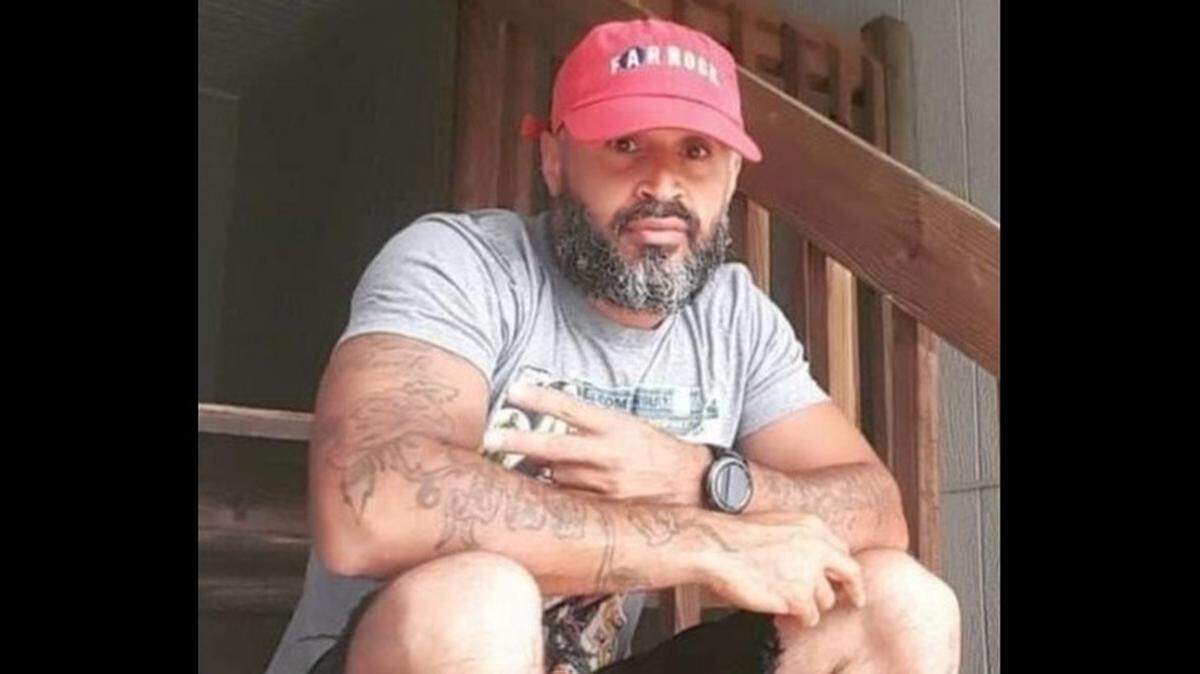
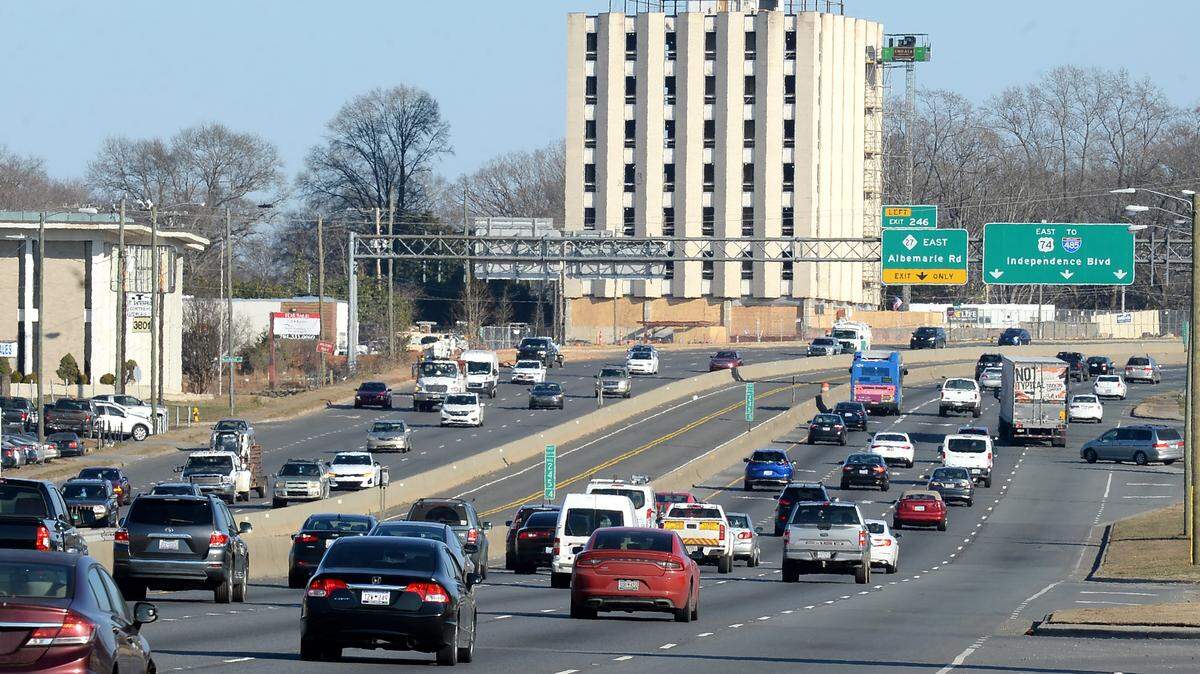
Ethan Rivera, a 41-year-old bus driver for Charlotte Area Transit System, died Feb. 12, 2022, a day after being shot aboard his CATS bus. Charlotte-Mecklenburg Police say a road rage incident led to the shooting.
Expand All
Charlotte transit officials say they’ve looked but have found no bulletproof shield product to install on public buses — a major safety concern for many since the fatal shooting of CATS driver Ethan Rivera in uptown last month.
Whether public buses in Charlotte will be equipped with new shields or enclosures protecting drivers is one of several remaining questions in the aftermath of Rivera’s death.
Charlotte City Councilman Tariq Bokhari this week said he believes it would cost under $1 million to install across CATS buses a shield or partition capable of stopping a bullet. At a news conference, he and other candidates running for City Council said they’d partnered with local manufacturers to make a prototype they see as a solution to violence and threats facing public transit workers.
The Charlotte Area Transit System responded afterward that they aren’t going to install equipment without further review, but are open to further discussions about the “feasibility of the technology.”
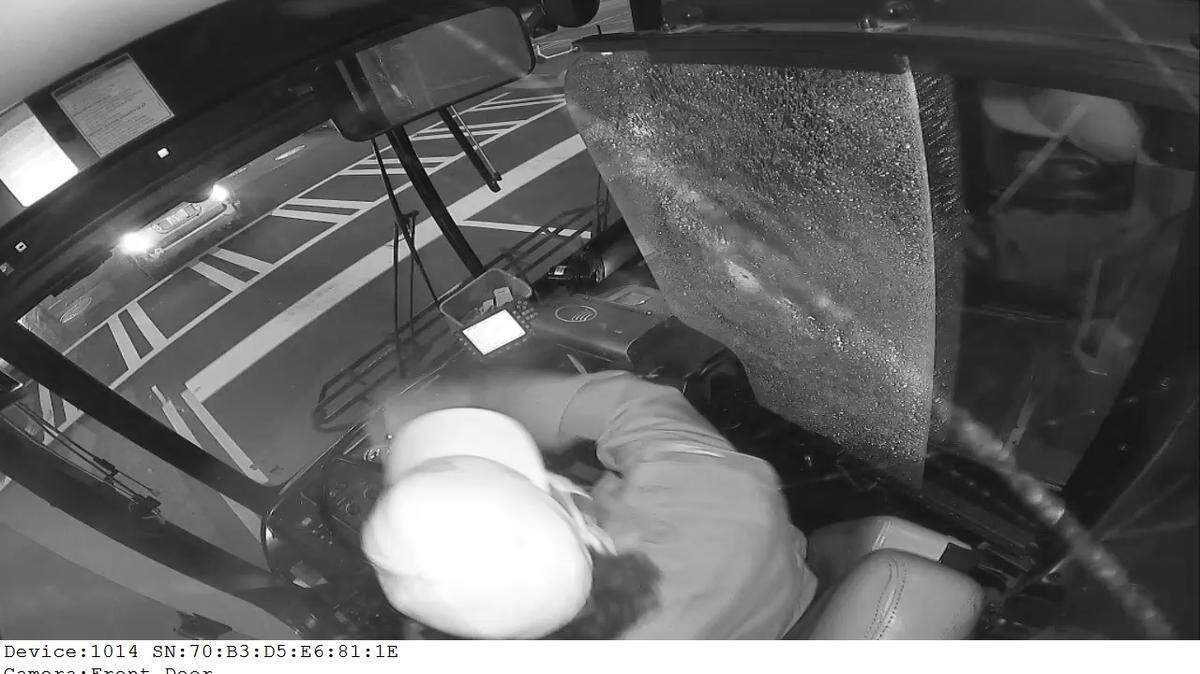
This follows demands from other CATS operators for safety measures to be implemented after Rivera was shot and killed on the job. Video released Friday shows the bullet that killed Rivera came in through the door of the bus and easily passed through a barrier positioned next to the driver’s seat.
Sylvia Rivera, Ethan’s mother, has also called on CATS to adopt bulletproof safety measures. She said in a previous interview with the Observer, what happened to her son, could happen to any of the drivers.
CATS was not aware of Bokhari’s efforts to create a prototype bulletproof shield until Monday, spokeswoman Logan Lover told the Observer in an email on Monday.
The transit system has been working with its primary bus manufacturer to learn more about the feasibility of a bulletproof enclosure for several weeks, but no current products are available, Lover said. Additionally, CATS would need to make sure weight added by the enclosures is safe for the buses and that the enclosure does not impact federal Americans with Disabilities Act requirements, she added.
Questions remain
Last month, CATS CEO John Lewis said the current barriers on buses aren’t bulletproof, but they give operators “a sense of security.” To further protect its drivers, CATS said last week it is working with CMPD to provide additional de-escalation training modules for employees, and additional security at bus facilities and on certain routes.
While the video released Friday by CATS, taken from four different surveillance cameras aboard the bus, shed new light on what happened leading up to the shooting, some questions remain.
CATS said on Friday, in light of Rivera’s death, they’re inspecting bus radios to identify equipment malfunctions and that the checks will be part of every workers’ routine when starting their shift. Based on video footage from the fatal shooting, Rivera did not call for backup before confronting the driver on Graham Street.
Rivera’s bus radio was working at the time of the accident, Lover told the Observer on Wednesday. CATS did not say why they are inspecting bus radios for malfunctions following the shooting.
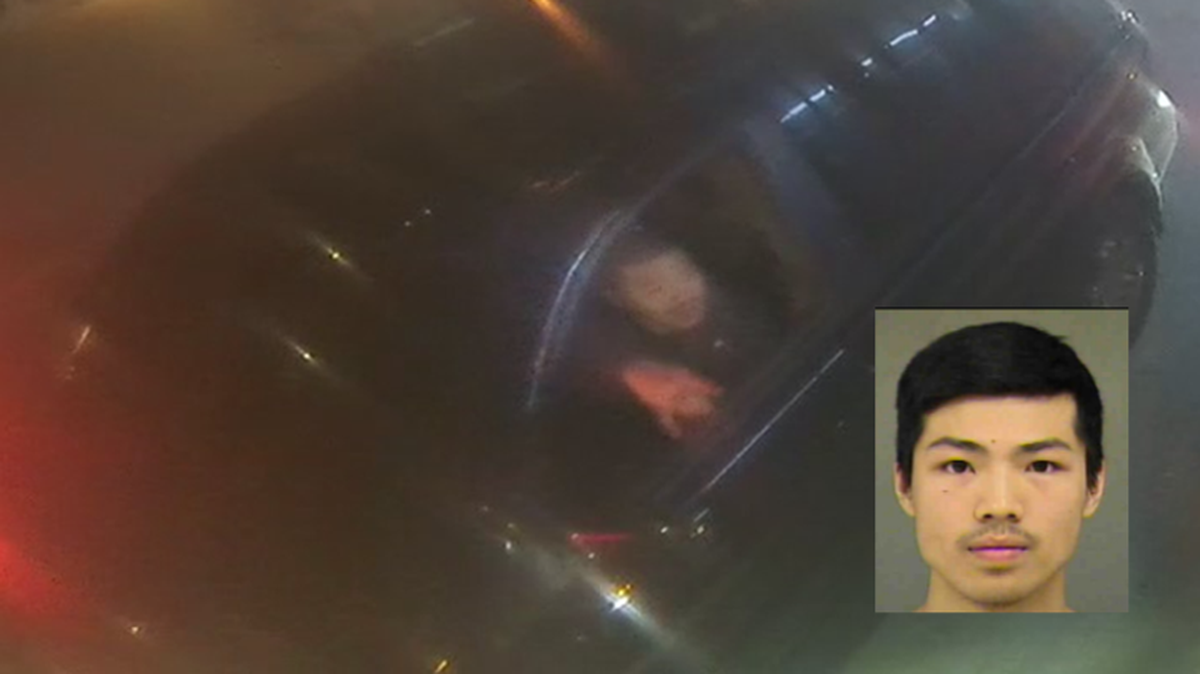
In the footage, Rivera is seen and heard yelling at a driver in a Honda Pilot — later identified by CMPD as Darian Dru Thavychith. Before the shooting, according to the video, Rivera stopped short in a left-hand turn lane while waiting in traffic at a red light. The video shows he pulled up beside the Honda Pilot, and confronted the driver, who earlier had repeatedly honked his horn at Rivera’s bus.
On Monday, CATS released a statement to the Observer saying drivers are instructed to keep bus doors closed unless they are stopped at a railroad crossing, for example, or stopped to let passengers on or off. The transit system has refused to say whether it believes Rivera violated CATS policy on doors prior to the shooting.
According to the video, Rivera had already closed his bus door and began to pull away and move toward the intersection when the shooter is seen catching up to and firing into the bus, before speeding away.
De-escalation training is standard in operators’ initial training, so it’s not new to CATS drivers, Lover said. It’s unclear what exactly CATS’ future de-escalation training will include.
CATS also has refused to release a copy of its manual with policies for employees, claiming the document includes “security sensitive information.”
Bulletproofing is ‘a start’
Edjuana Paige, who has been a public transportation driver for 26 years and has worked for CATS since 2016, called the bulletproof enclosure presented by Bokhari “a start.”
The majority of us didn’t pick this career to have to worry about making it home,” Paige said Monday. “I’m not a policeman. This was not supposed to be a high-risk job. This was supposed to be a career.”
And some customers have used the shooting death of Rivera to continue to harass bus drivers, CATS driver Tamasa Patterson said. She’s been working at CATS for a little over a year.
“They’ll get on the bus and be like: ‘That’s why y’all are getting shot,’ she said. “If you tell them to turn down some music, they’ll be like: ‘Pow pow pow.’ They’re using this situation like a scare tactic.”
Bokhari said continued training for CATS drivers, including in de-escalation tactics, is just as important as the bulletproof shield.
“These drivers aren’t police officers,” he said. “They aren’t trained like all of our police officers are on de-escalation techniques. We know we need that training to be even better.”
Editor’s note: This story was updated after initial publication, when CATS responded to some previously unanswered questions.
This story was originally published March 16, 2022 at 6:00 AM.

.jpg)
.jpeg)