This cancer-causing chemical delayed clear backpacks at CMS. What other products have it?
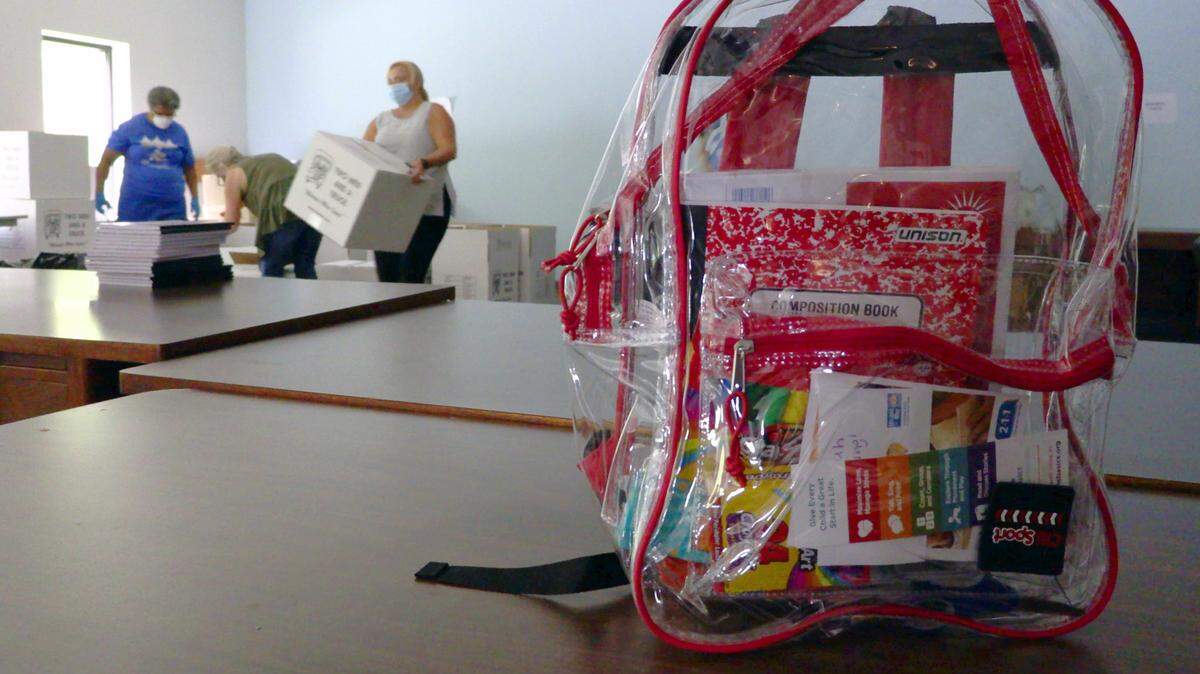
After spending more than $400,000 on the initiative, Charlotte-Mecklenburg is pausing its plan to distribute clear backpacks to students after warning labels about cancer-causing chemicals were found on them.
Clear backpacks are part of a layered approach CMS is implementing in response to safety concerns So far, 25 firearms have been discovered on CMS campuses this school year, the Observer reported.
An email provided to the Observer on Monday stated officials unloaded backpacks and discovered most contained a warning tag required by Proposition 65 for California residents. The tags mark items that may contain cancer-causing chemicals.
A purchase order shows 40,000 of the 46,000 backpacks were made by New York-based A.D. Sutton and Sons and are primarily made of a material called polyvinyl chloride.
What is Proposition 65?
Proposition 65 requires businesses provide warnings to Californians about exposures to chemicals that cause cancer, birth defects or other reproductive harm, according to the California Office of Environmental Health Hazard Assessment.
The law also requires the state to publish a list of harmful chemicals. The list, which has been updated annually since it was released in 1987, now includes roughly 900 chemicals.
What is polyvinyl chloride?
Polyvinyl chloride is a type of plastic used to make rainwear, handbags, belts, footwear and other artificial items, according to a website maintained by the state of California for Proposition 65. A state of California website maintained for Proposition 65 states six phthalates found in PVC products are on the warning list because they can cause “birth defects or other reproductive harm and/or cancer.”
PVC is also used in the production of automobile upholstery and parts, housewares, furniture and shower curtains. The chemical is also found in flooring, personal care products and medical devices, the OEHHA says.
How toxic is PVC?
PVC products often contain many additives that can be toxic to humans, according to the Children’s Environmental Health Network.
One of the most common additives are phthalates, a material used to make plastic more durable. Adverse health effects from ingesting or inhaling phthalates include hormone disruption, developmental and reproductive problems, asthma, low sperm count and the development of some cancers, the CEHN says.
In 2009, some phthalates were banned from being used in children’s products and toys in the U.S., according to the Consumer Product Safety Commission. Although PVC is one the most widely used types of plastics, it can be substituted for products made from clay, glass, ceramics and linoleum.
Observer reporter Anna Maria Della Costa contributed to this story.
Editor’s note: This story was corrected at 1:49 a.m. on April 6 to state which products are on the Proposition 65 warning list.
This story was originally published March 29, 2022 at 2:10 PM.