Mecklenburg, sheriff urged to reconsider possible closure of Juvenile Detention Center
The potential closing of Mecklenburg Juvenile Detention Center under the county’s proposed budget has raised some concerns, including from the state, which is urging that the plan be reconsidered.
Mecklenburg commissioners are expected to approve County Manager Dena Diorio’s $2.1 billion budget plan next month. The proposal includes shutting down the north Charlotte center by Dec. 1 and freezing 90 vacant jobs.
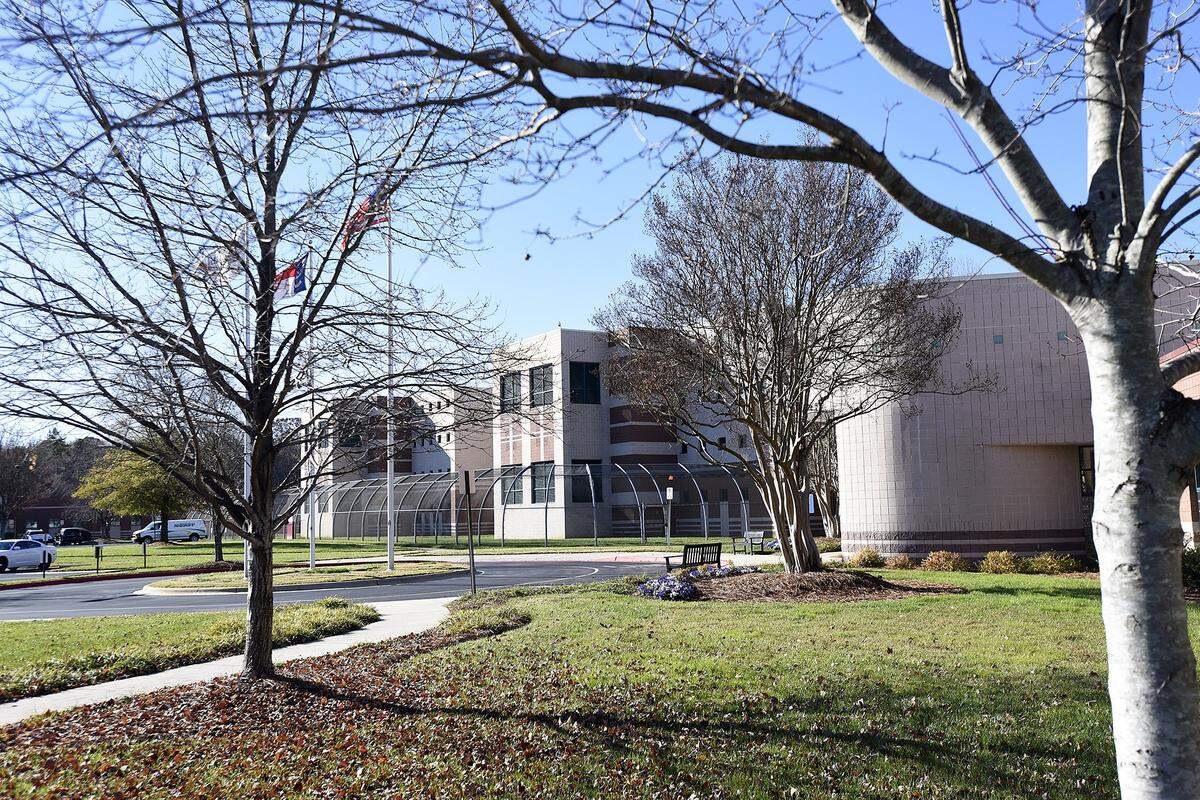
Diorio said closing the Spector Drive facility off Statesville Road would help mitigate a staffing shortage within Sheriff Garry McFadden’s office and reduce the cost to the county.
The Sheriff’s Office said making the proposal to close the facility wasn’t easy.
“We really had to prioritize the services that we are mandated to provide,” sheriff’s spokesman Bradley Smith said in an email to The Charlotte Observer. “... But when you consider the operating costs for a non-mandated function it made sound financial sense to end juvenile operations at the end of the three-year agreement with (the North Carolina Department of Public Safety).”
Smith said it is the state’s responsibility to house those held in the juvenile center.
In a letter dated Tuesday, NCDPS Deputy Secretary William Lassiter urged Mecklenburg commissioners to reconsider the proposal.
Without the Mecklenburg facility, NCDPS would have difficulty finding space to house juveniles in custody — especially close to home, according to Lassiter.
“The number of available state juvenile justice detention beds are already stretched thin due in part to changes in law mandating that all juveniles must be held in juvenile detention rather than jail,” he said.
Under North Carolina’s Raise the Age law, which went into effect in 2019, most 16- and 17-year-olds charged with crimes cannot automatically be sent to adult court.
The Mecklenburg detention center is one of 12 such facilities for juveniles in the state, and North Carolina’s largest with 72 beds. Seven facilities are run by the state, and five are operated in partnership with counties. The closest facility of comparable size is in Cabarrus County, with 62 beds and more than a 30-minute drive from the Charlotte center.
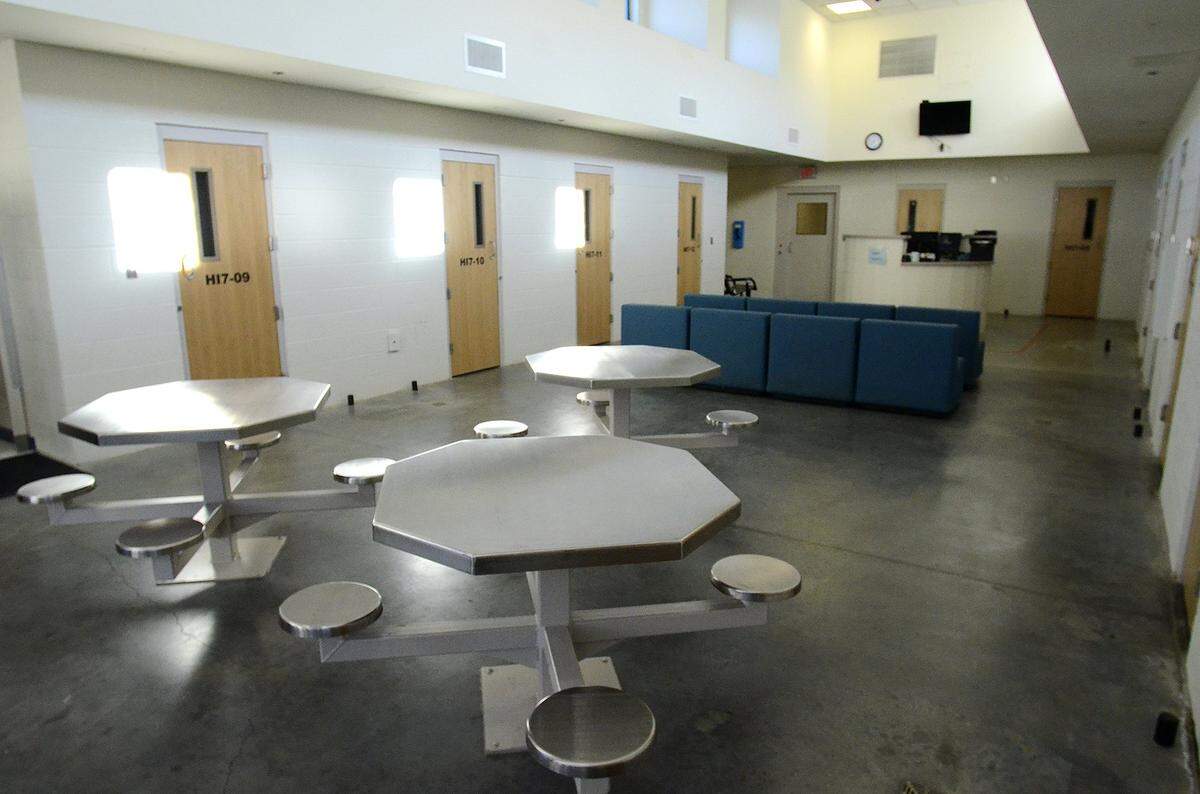
The African American Caucus of the Mecklenburg County Democratic Party, in a statement Wednesday, also urged commissioners to not approve the closing.
The caucus is concerned about the strain the closing would cause the juveniles in custody and their families.
Moving the juveniles from Mecklenburg to other counties — some as far as three hours away, like Wake and New Hanover — would not be in their “best interest.” Services such as a high school offered in Mecklenburg and mental health, vocational, and reentry services might not be available elsewhere, the caucus said.
State offers alternatives
In his letter, Lassiter suggested alternatives to shutting down the Mecklenburg juvenile facility:
▪ Extend the contract until the end of the next fiscal year (June 30, 2023), when the state can increase capacity to allow more juveniles to be housed at the nearby Cabarrus campus.
▪ Transition the center’s operations from the Sheriff’s Office to another county entity, similar to Durham and Guilford counties.
▪ Allow the state to lease the facility and operate it as a state-run juvenile detention center.
The African American Caucus said it hopes the county can engage in “community-focused dialogue” with NCDPS, the court system and other stakeholders to assess the proposals.
Wrote Lassiter: “We stand ready to work with the county manager, Sheriff’s Office and county leadership ... on solutions to this situation that minimize adverse impact on the youth and families of Mecklenburg County.”