Tips to keep Charlotte’s extreme summer heat from killing your trees
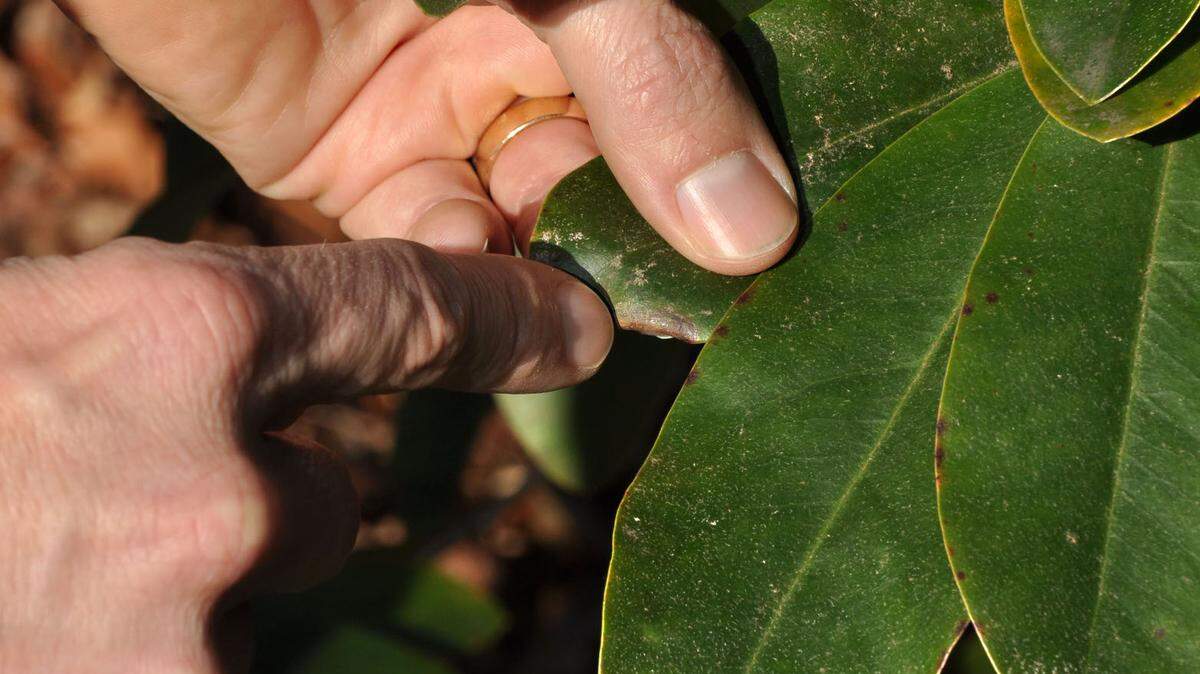
Knowing how to care for your trees is essential to keeping them healthy during the warmer months.
Barry Gemberling, an arborist with Arborguard Tree Specialists in Charlotte, explained that temperatures exceeding 90 degrees can cause damage to trees, depending on their health.
“If a tree’s root system isn’t healthy, or if it has a disease infection or pest infestation, then it’s more susceptible to damage from heat,” said Gemberling.
When trees are exposed to excessive heat, they may not be able to move and evaporate enough water to meet their cooling needs, causing them to display drought symptoms, according to John Punchess, an associate professor in the department of forest engineering, resources and management at Oregon State University.
Here’s which trees are most affected by hot weather, and how to protect them in the heat.
Trees in Charlotte are most affected by extreme heat
Some maple and flowering cherry trees could be at risk of dying during hot weather due to temperature fluctuations in winter, according to Gemberling.
“What happens is, when it gets warm, they think spring is here and their buds swell up, but when it gets cold they contract,” Gemberling explained. “It uses up a lot of energy. When spring finally comes, they use the rest of the energy they have to push out their new spring flush of growth.”
By the time humid weather in May rolls around, some trees don’t have the energy left to make nutrients, Gemberling said.
“It’s like they’re out of juice,” he said. “In particular, with this stretch of weather in the upper 90s, we’re seeing a lot of maples turn brown and die within a matter of days.”
An early sign of deterioration in trees is when their leaves start to droop and curl, something that is particularly noticeable in dogwood trees, said Gemberling.
Ways to care for your trees during hot weather
For newly-planted trees, it’s critical that their roots are kept moist during the summer months. But large, mature trees generally don’t need to be watered unless there is a prolonged period of extremely hot weather without rain, according to Gemberling.
“You can’t depend on natural rainfall or irrigation, because it hasn’t pushed lateral roots out into the surrounding soil that can absorb natural rainfall or irrigation,” Gemberling said, referring to newly-planted trees. “I would say the younger the tree is, the more it’s going to be susceptible to drought stress.”
The best way to water a younger tree is by turning your hose on so the water trickles out, and putting it at the base of a tree for an hour once a week so the entire root ball (the main mass of roots) gets saturated.
Watering, pruning, or selectively removing branches from a tree to reduce its density can help protect trees from excessive heat since it lessens the number of leaves that have to draw moisture from the tree’s root bowl.
Treating pest infestations and diseases in trees is also key to keeping them healthy, said Gemberling.
“If there are pests that are impacting the health of a tree, or a disease that is doing the same, then it gets weaker and it’s more vulnerable to heat damage and heat stress,” he said.
Fertilizing a tree with nutrient-rich soil can also protect trees during extreme heat, he said, adding that the product his company uses does not have an ingredient often found in other fertilizers.
“If you apply a synthetic, high-nitrogen product to the root system of a tree when it’s under stress, it’ll add to the stress and make the situation worse,” Gemberling explained. “So, we do not use material that has synthetic nitrogen because we don’t want to subject trees to further stress.”