CATS ridership rises, but so does frustration over bus driver shortages around Charlotte
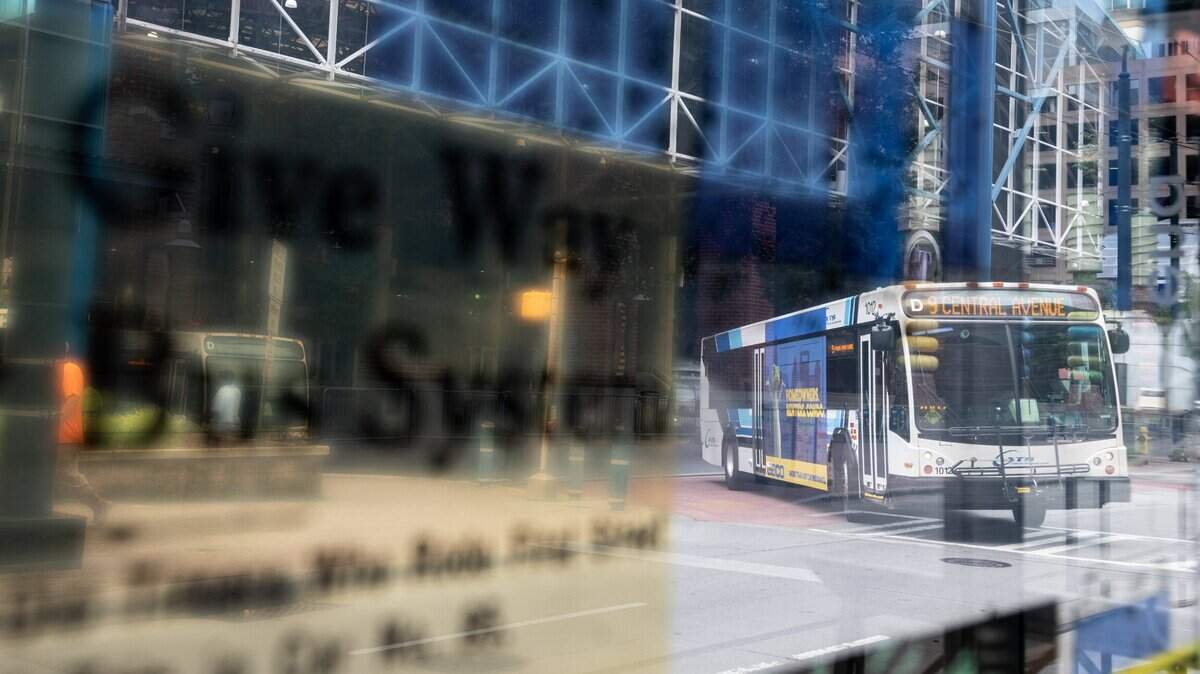
The number of people in Charlotte who rode public transit in May was significantly higher than during the same period last year, according to data released Wednesday by CATS.
The increase comes as gas prices spike and a series of bus delays due in part to a severe driver shortage are leaving customers angry but with few options.
Dominique Rorie, 51, told The Charlotte Observer he often spends two to four hours each day waiting for the bus. “There are shortages everywhere, and you just have to deal with it,” he said, standing at the Alleghany Street and Freedom Drive bus stop Thursday afternoon. “It’s a long, long time I spend here.”
The ridership data, detailed at the Metropolitan Transit Commission’s monthly meeting, showed a 16.2% overall increase in trips last month compared to May 2021.
Expanding use of LYNX light rail lines made up most of the gains, while the growing popularity of local express bus routes also contributed to passenger growth.
The increase over last year could mostly be attributed to people returning to work, CATS spokeswoman Logan Lover said in an email to The Charlotte Observer. Fluctuations like this are normal, she said.
While ridership in May was higher than a year ago, it was lower than the previous two months despite rising fuel costs during that period. Still, Lover said CATS typically sees an increase in ridership when gas prices go up.
The transit system operates 68 hybrid and 12 electric buses, but has 224 diesel buses in service, according to Lover. CATS locks in fuel prices annually, she said, so the transit system has avoided the worst of recent gas price hikes.
By the numbers
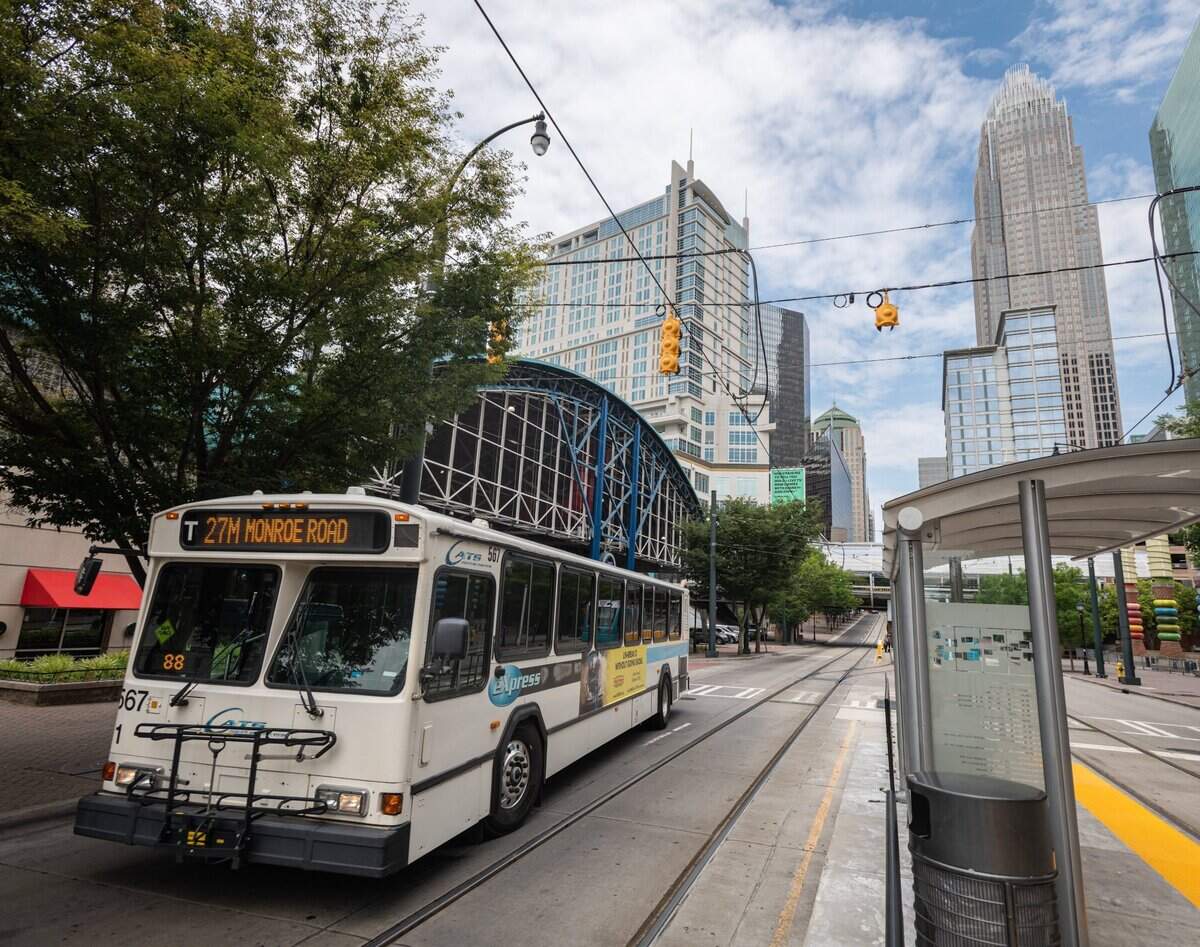
In total, riders took 888,889 trips on CATS in May, up from 764,741 in May last year.
Ridership on the LYNX Blue Line jumped 57% between May 2021 and 2022, up to 384,156 monthly riders. The CityLYNX Gold Line expansion, which opened in August 2021, added another roughly 38,000 trips.
The transit commission reported a decrease of nearly 15% in ridership on standard local bus routes over the same period, but that wasn’t enough to undercut gains across the rest of CATS’ service. Passenger frustration at delays likely explain the dip in bus ridership, according to Ely Portillo, assistant director of the UNC Charlotte Urban Institute.
Still, local express bus routes saw ridership increase dramatically. The North Mecklenburg Express line had 3,546 riders this May, up from 315 in May 2021 — a jump of over 1,025%.
Other express routes experienced similar growth, and overall local express rides increased about 483% to 15,578 total rides in May. That growth is a result of more frequently deployed buses and people returning to work, Lover said.
The transit commission does not break down non-express local bus ridership data by route. But the report shows such trips decreased by about 70,000 between May of last year and this year.
Ridership in May was lower than this year’s March peak. CATS trips totaled nearly 971,000 in March.
And compared to before the pandemic, ridership is still hurting. Total rides in fiscal year 2019 hit nearly 18 million by the end of April that year, compared to about 9.4 million so far in the current fiscal year.
Delays and complaints
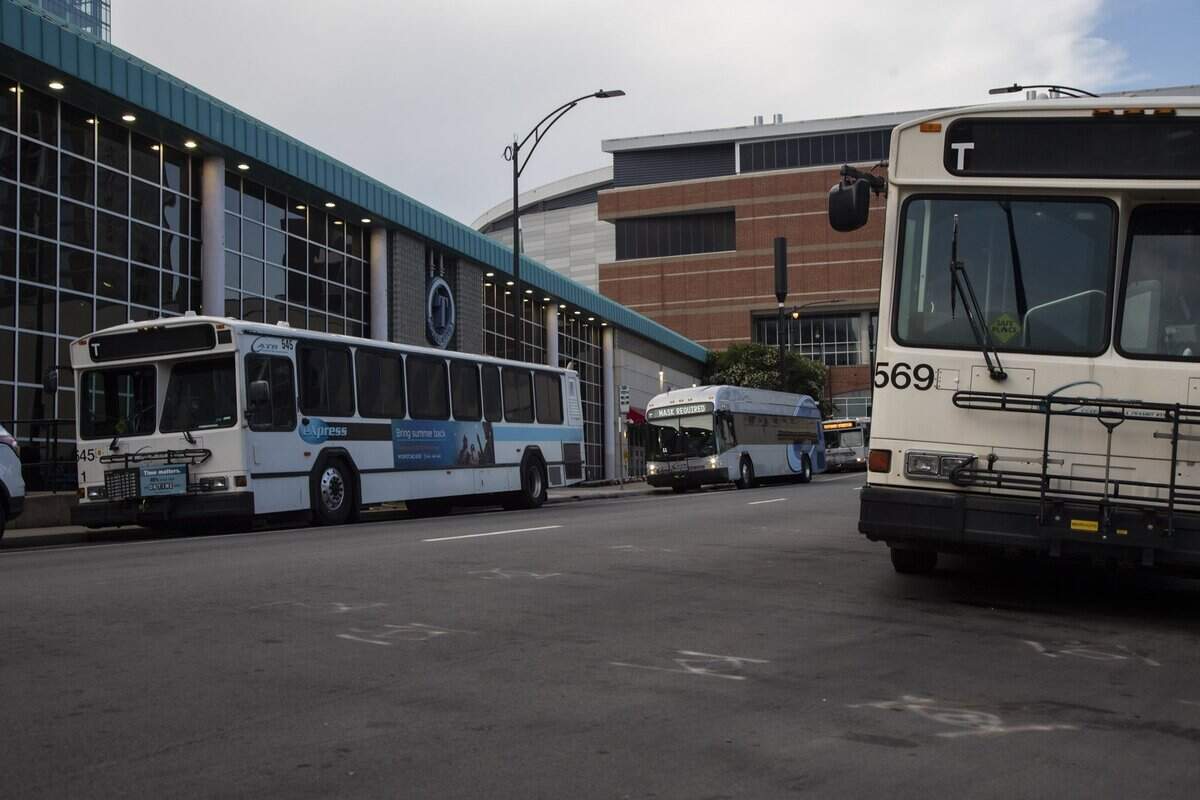
The jump in riders comes as CATS faces a bus driver shortage that CEO John Lewis says is contributing to delays. Some 74 of 571 bus driver positions are unfilled, Lewis said, and many other drivers are absent on any given day.
Waiting for a bus on Alleghany Street, Timothy Bryant, 38, said he felt helpless in the face of unpredictable wait times that ranged from 15 to 45 minutes or more. “Sometimes I just bypass the bus and take a taxi instead,” he said.
Long delays also prompted plenty of complaints online.
“You need to let people know which bus routes are unavailable instead of having people stand in 100 degree heat not knowing if the bus is coming,” one Twitter user, @CFiederer, wrote Wednesday. The comment came in response to CATS’ announcement that 107 bus drivers were absent that day.
And a WBTV investigation last month found that buses failed to show up for about 98 trips per day, even before the driver shortage.
CATS, in a tweet, said 97 bus operators were absent Thursday. It told riders to “expect intermittent delays.” On Friday morning, CATS said there were 92 bus operators absent that day.
This story was originally published June 24, 2022 at 5:40 AM.