Memories of Exchange City. A look back at a tradition for young Charlotte students
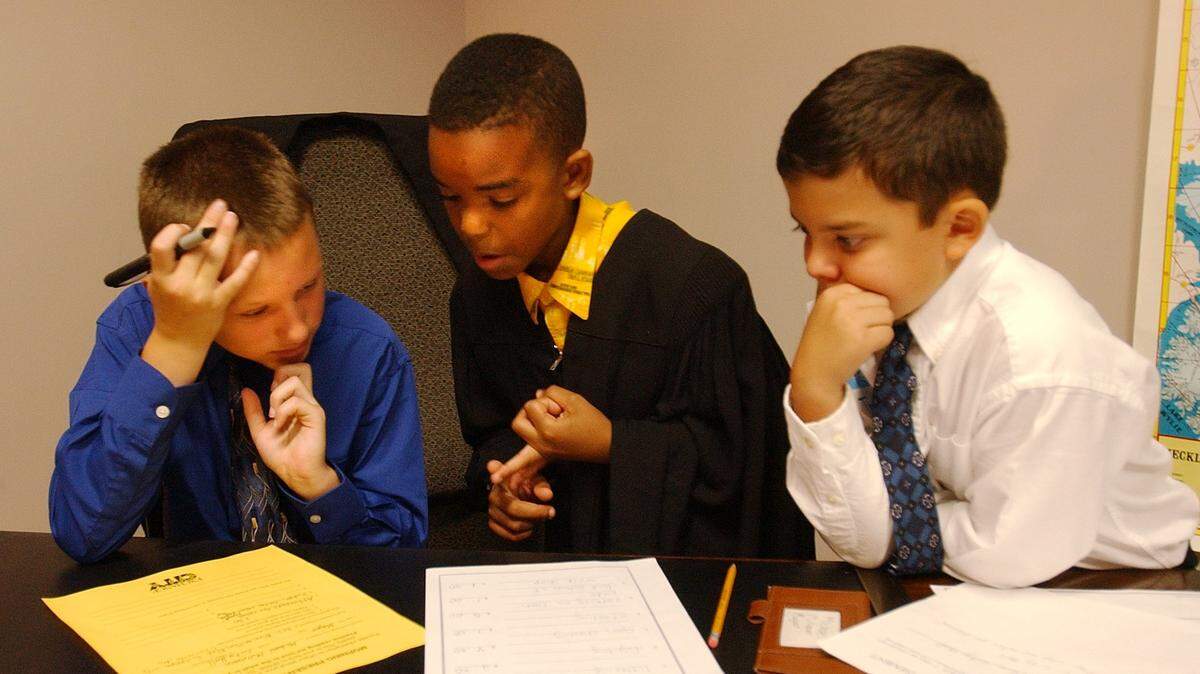
During the 1990s through the early 2000s, Exchange City was once considered a popular field trip destination among fifth-graders in Charlotte-Mecklenburg Schools.
Exchange City was a model of a real city where kids were assigned jobs like mayor, judge or police officer and would work for fake currency to spend at shops in the “city.”
Much like in the real world, workers had to pay taxes on the money they earned. Tickets were also issued by police officers for crimes like walking on the grass. Writing bad checks could land them in jail, too.
The program was meant to teach 9- and 10-year-olds about finance, budgeting, and the value of hard work.
On a recent Reddit thread, those who once participated in the program as kids detailed their Exchange City experience
“I was the owner of a sign shop,” one user wrote. “Man, that was a fun day. I did walk on the grass.”
“I was the postmaster,” another said. “It was fun.”
While most described an enjoyable experience, others revealed some of the devious things they did while they were on the job.
“I was the cop,” another commented. “I only gave out one ticket, to the radio DJ for ‘noise pollution’ because he played Wild Wild West by Kool Moe Dee 10 times in a row.”
What happened to Charlotte’s Exchange City
Exchange City was developed in the mid-90s by an organization called The Learning Exchange, a now-defunct Kansas City, Missouri-based nonprofit that provided resources to educators.
In 1996, Junior Achievement USA, an organization dedicated to giving young people the skills they need to “own their economic success,” took over the program, Ed Grocholski, the chief marketing officer at Junior Achievement, told The Charlotte Observer.
Although Exchange City was discontinued, it was replaced with a similar program to teach young children about the basics of finance that is still active today.
“JA is all about being on the cusp of change,” said Kimberly Baker, the senior vice president of education at Junior Achievement of the Carolinas. “Exchange City was dealing with things in a different time frame. If you think about writing checks, not many people write checks nowadays. JA as a national organization is very strategic in ensuring our curriculum doesn’t stay stagnant and that we stay on the cusp of what’s happening in the classroom because that is where we get that real-life relevance.”
According to Grocholski, Exchange City evolved into JA BizTown, which launched during the 2006-07 school year. At JA Biztown, fourth, fifth and sixth-grade students spend a few hours at a simulated town similar to Exchange City.
There they learn the importance of citizen rights, and build an understanding of money management skills and basic business practices, according to the Junior Achievement website.
“Students are given an assignment as CEO, CFO, account manager, or marketing manager of a company that is represented in JA BizTown, said Baker. “And they are operating to pay their startup loan as an entrepreneur or business would do throughout the day.”
JA BizTown is a relatively new program, but it still leaves the same lasting impression that Exchange City did for thousands of young students in Charlotte, Baker said.
“Our students are still talking about it,” Baker said. “We hear from teachers, parents and administrators that say their children are still talking about being a CEO of a bank or being the mayor for a day.”