New COVID variant put Mecklenburg in ‘code red.’ But local state of emergency ending
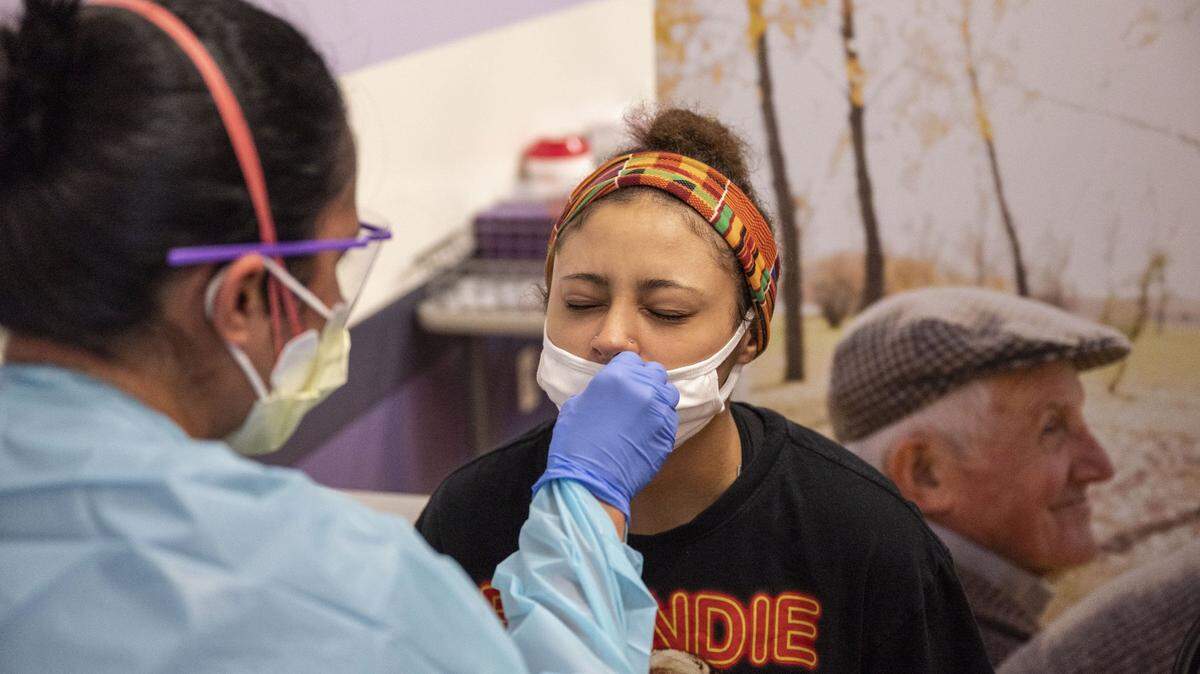
Charlotte and Mecklenburg County will terminate their years-long states of emergency this month despite a new variant of COVID leading to an increase in new cases.
The Mecklenburg Board of County Commissioners approved a resolution Wednesday night saying the county and city would co-terminate their states of emergency on Aug. 15, the same date Gov. Roy Cooper expects to end the statewide state of emergency.
The resolution cites a period of decline in the daily number of COVID cases, hospitalizations and emergency room visits as a reason to end the state of emergency. This is true in Mecklenburg County from the peak of the pandemic, but numbers rose again with the spread of the new BA.5 variant.
A Wednesday report from Mecklenburg Public Health Director Raynard Washington to county commissioners said the county still remains in a high spread risk level, and wastewater monitoring shows high detection levels of COVID-19. But they are beginning to decline.
Washington’s report was presented immediately after the board agreed to end the county’s state of emergency, causing commissioners to ask why there was no need for an emergency order. Washington said vaccines have made cases less deadly and severe.
In Mecklenburg County, 37% of residents have at least one booster. This is higher than the number of total North Carolinians that are boosted, 28.3%. North Carolina has the lowest boosted rate in the country, according to health care industry publication Becker’s Hospital Review.
Increasing hospitalizations
BA.5 is considered the most infectious variant of COVID yet, Novant Health infectious disease expert Dr. David Priest said on July 14.
From June 26 to July 9, the variant accounted for 29% of all cases in the state, according to NCDHHS data. From July 10-23, it represented 57.6% of all COVID cases statewide.
The variant’s increased transmission has led to a plateau of new infections, Priest said. From March 12-19, Mecklenburg County reported 289 COVID cases, the lowest point this year. That rose to 3,850 cases the week of July 23-30.
Washington previously acknowledged the actual case count is likely under-reported because county-level data don’t include at-home tests.
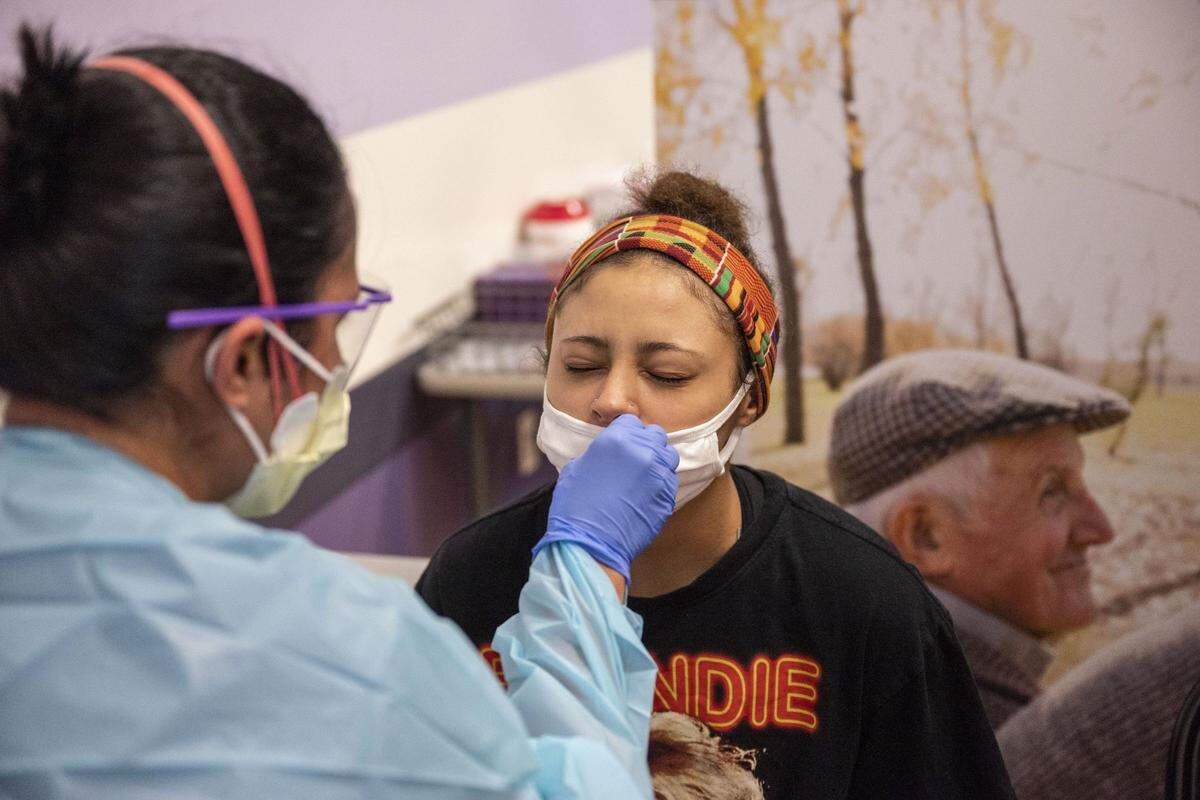
Rising infection rates have coincided with more hospitalizations, which have increased in North Carolina each week since April 16, according to NCDHHS.
From July 23-30, the seven-day average of patients hospitalized with COVID statewide was 1,263.
Individual county hospitalization data isn’t available through the NCDHHS online dashboard — counties are organized into regions. Mecklenburg is part of the Metrolina Preparedness Healthcare Coalition region. This region reported a daily average of 265 patients hospitalized with COVID.
These factors led the CDC to classify Mecklenburg County as high community spread risk on July 30. Surrounding counties such as Rowan, Cabarrus, Gaston, Union, Iredell and Catawba are also at high risk.
Charlotte has been in a state of emergency since March 2020 when COVID-19 cases began to spread worldwide.
This story was originally published August 4, 2022 at 3:35 PM.