‘There’s not a blueprint.’ Why Charlotte’s violence interrupters have a tough job.
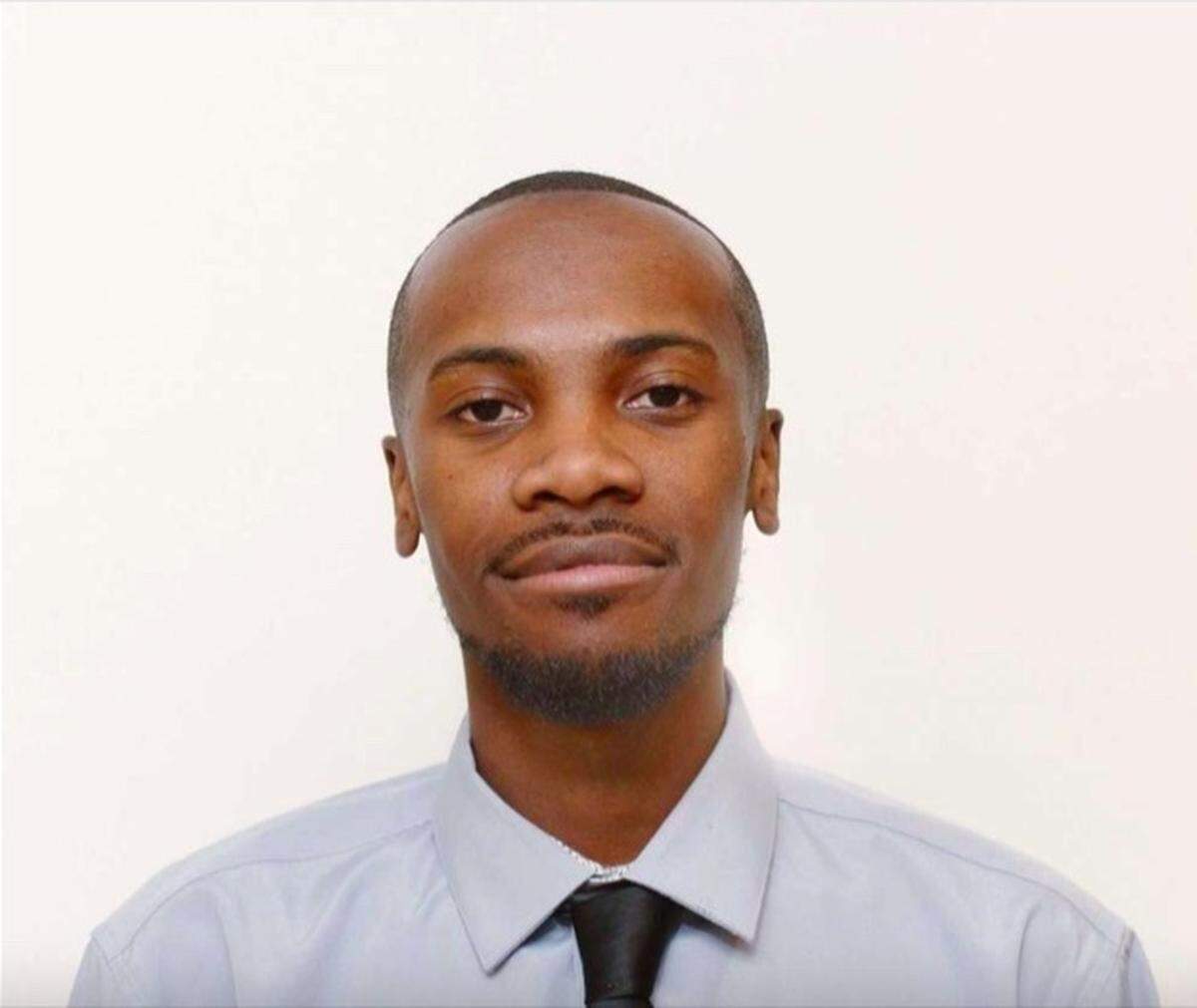
Dimitros Jordan strode through Lincoln Heights, staying attentive to all around him. Those who knew him warmly approached him. Those who didn’t, he made a point to introduce himself.
The neighborhood is located near the intersection of Beatties Ford Road and Lasalle Street, an area police described as a hot spot for crime. For Jordan it’s a familiar space. He grew up here and personally knows all of the traps that could ensnare the youth.
Now working as a violence interrupter — a person who does conflict mediation and prevention work — he’s hopeful he can now show kids a better path.
“Being from this area — rap music, drugs, all of that stuff — it’s right in your face,” Jordan said.
He was joined by fellow violence interrupter Donnell Gardner and outreach worker Juan Hall while walking through the neighborhood Wednesday. The team is a part of the city’s Alternatives To Violence program, which started in August 2021 as an effort to curb violence in the troubled corridor.
Now entering its second year, the team seeks to build upon the groundwork they’ve laid, with plans to expand the outreach into two more neighborhoods.
But the work takes time.
Last week, Charlotte-Mecklenburg Police Chief Johnny Jennings said in a City Council meeting overall crime is up about 2% compared to this time last year. At least 56 homicides were recorded in the city by July, according to the department’s mid year report.
For the ATV Team, their immediate focus is on the Beatties Ford Road corridor in west Charlotte, where they’re hoping dedicated attention can produce change.
“Doing this stuff is strategic,” Jordan said. “You can’t have just anybody out here with these people. It’s real.”
The intersection of Catherine Simmons Avenue and Beatties Ford Road is where the team starts their day. It’s also where four people died after being caught in a crossfire during a Juneteenth block party in 2020. The killings still weigh on everyone’s minds, including the team members.
Unfamiliar faces aren’t going to be welcome and, to be able to walk peacefully through the community involves building bridges, according to Gardner.
“Our lives are at stake out here,” he said. “We can’t come with the flim-flam.”
Jordan said the team knows they face a tall task with attempting to erase issues that took years to create. But they are determined to connect with as many as they can to change the narrative.
“Success to me is hope,” Jordan said.
Boots on the ground
Familiarity with the area and the neighborhoods goes a long way. What drew Jordan a year ago, when he was recruited, was learning Gardner was involved.
“I saw that in doing this work I could still be me,” Gardner recalled of his decision to join the team. “Being that I went through my own trials and tribulations, but I was still able to be me, go out among the people, and make a change at the same time ... that was important.”
The ATV program consists of a site supervisor and four violence interrupters, also known as credible messengers. These are paid positions, with the site supervisor making $46,800 annually and the violence interrupters/outreach workers being paid $38,480 by Youth Advocate Programs, one of the two nonprofits running the program.
The team works Tuesday through Fridays from 1 to 9 p.m., and are on call to respond to shootings along the Beatties Ford road corridor. But the work requires commitment beyond typical hours, the team said.
“There’s not a blueprint to this work we do,” Hall, a West Charlotte High School alumnus, said.
They meet with parents, connect to kids in the school system, and try to be a preventive measure to situations that may arise, he said. Sometimes the men work outside of their usual hours to travel along Beatties Ford Road and keep an eye on what’s going on.
Hall said he’s constantly learning and trying to find better ways to connect with the youth. This year he attended the Charlotte Pride parade to continue to learn how to better connect with youth in the LGBTQ+ community.
“That’s what it’s all about,” Hall said. “Being a family, and showing the kids who may not have a family that we can be your family.”
But the program has had its hurdles. The team that started the program have since left, though it’s unclear why.
Lawrence Corley, media spokesman with the city, declined comment and deferred to the nonprofit managing the program, Youth Advocate Programs, since it’s a personnel matter, he said.
“For confidentiality reasons, (Youth Advocate Programs) does not publicly disclose personnel details about individual current, former, or future employees without their consent,” said spokeswoman Ryanne Persinger with YAP, which is partnering with Cure Violence Global to manage the program.
Over the year, the team has completed 45 conflict mediations and has had 19 program participants, according to Persinger. Participants include those in the 14 to 25 age range the interrupters have helped with jobs, or in school.
YAP expects to release a detailed report of the team’s work in February, Persinger said.
“While police data reflect increases and decreases in community violence, data measuring individuals who have received services from YAP’s ATV team reflect the numbers of people who, because of the program, engaged in services that provided alternatives to violence,” Persinger said in an email.
The city will measure success through viewing reductions in homicides and assaults with deadly weapons, according to Corley. The report in February will come after Cure Violence has had a full year of data to measure how successful the program has been, he said.
And the boots on the ground approach is mandatory for this work to produce results, Gardner says.
“It’s mainly about prevention when you see and hear things” he said. “When it’s boiling in the streets, we try to get close to it and try to deescalate it.”
Building Trust
Meeting people where they are is one way to build trust, according to Hall. When they’re out in the neighborhood, they make efforts to signal to people they are not police, or a social worker.
“If they think you’re here for other reasons, people aren’t as likely to talk to you,” Hall said, adding in their work, trust is like currency.
The three men also are able to reach troubled youth by relying on their own past experiences. Each have gone through the criminal justice system. They hope to present their lives as an example of what not to do, which can prevent others from going down a similar path.
“A lot of times your reputation proceeds you, people know your face,” Hall said. “And if they don’t know your face, little kids know the story about you. It’s like you’re Robin Hood.”
Other ways the ATV team builds trust is through community events such as hosting a back to school drive in August. The drive was held on Beatties Ford Road and more than 200 kids received backpacks, hand sanitizers and other supplies.
The team also hands out cards and fliers to those they see, introducing the team and what they do. They also stop by businesses along Beatties Ford, such as Buzz City Bar & Grill, a Black-owned business, adding few fliers of the team along its bar.
Some days are quiet when the team walks the beat. On others, they’ve had to respond to shootings.
When 14-year-old Gregory Holmes was shot and killed in August, the team went out to Birch Townhomes to speak with residents about the challenges the community is facing. A minor was charged with murder in connection with his death, WBTV reported.
Last week, city officials announced the program would receive an additional $1 million from the Department of Justice to extend its efforts into additional neighborhoods. A final decision on which neighborhoods is expected later this year.
Neighbors, such as Anthony Davis, who encountered the team on their path, appreciate the response. Davis has lived on this side of town for 20 years.
“It’s very important, especially in today’s climate with mass shootings,” he said. “Being out here with the youth can show them another way.”
Likewise, Mac “Toothpick” Morris, who said he’s frequently in the area, helps to keep the team in the loop.
“We need a lot of programs like this here,” Morris said. “People need help.”
This story was originally published September 22, 2022 at 6:00 AM.