North Carolina hospitals to restrict visitors under strain of ‘concerning’ flu surge
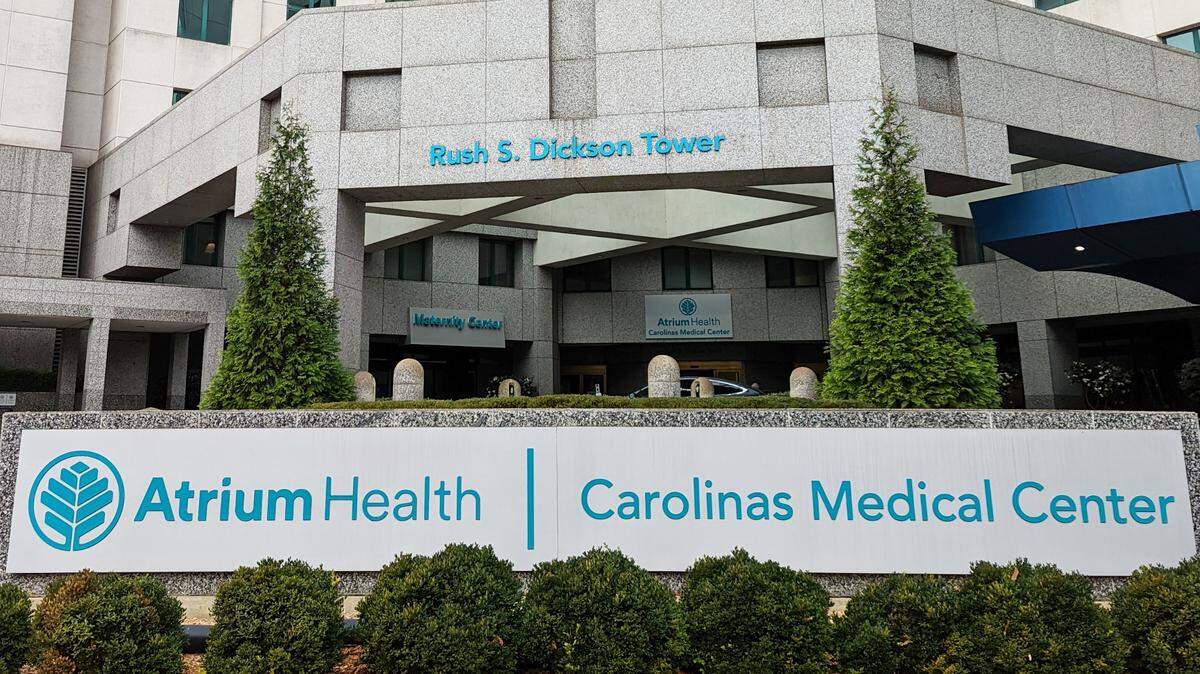
As a result of a rapid increase in flu cases and other respiratory viruses throughout the state, several North Carolina healthcare systems have enforced strict visitation restrictions at hospitals.
“Out of concern for the health and well-being of the community, and due to the widespread prevalence of respiratory viruses such as RSV and flu among young children, several North Carolina health systems ask that children 12 and under not visit patients who are hospitalized,” Atrium Health said Tuesday in a joint statement along with neighboring regional health care systems.
The move comes amid a surge in influenza infections throughout North Carolina over the past month, The Charlotte Observer reported.
The first week in October saw 148 confirmed cases of influenza. By the first week of November, there were 3,900 cases. As of Wednesday, 23 influenza-related deaths have been reported. Of those fatalities, 22 patients were adults.
Recent data from the North Carolina Department of Health and Human Services revealed that confirmed flu infections have increased by more than 2,300% since October, a figure that is above historical seasonal averages.
“In North Carolina, flu infections are most common from late fall to early spring with activity usually peaking in January or February. However, we are experiencing increased levels of influenza this year compared to the same time in recent previous years,” DHHS said in a statement to the Observer.
Visitor limitations took effect on Wednesday, and apply to hospitals that are part of the Atrium Health; CaroMont Health; Cone Health; Novant Health, and Randolph Health systems.
The restrictions are usually “not a decision that is made lightly,” Atrium officials said. The plan of action was reached as part of a process where hospital systems in the region consult each other to determine whether networks are experiencing similar strain, according to Dr. Katie Passaretti, vice president and enterprise chief epidemiologist at Atrium Health.
“We follow the process we have in the past which is to work together with other hospital systems within the region to see if everyone is seeing the same stuff and make a joint decision on what is best for our patients and community as far as making sure everyone is safe,” Passaretti told reporters at a press conference on Thursday.
Passaretti described this year’s rapid spread of respiratory illnesses as “concerning.”
“We were afraid this might happen,” Passaretti told reporters. “We’re seeing the flu very early this year. Usually, in the past, we’ve implemented visitor restrictions around January so we’re a couple of months earlier than that. And the rate of increase is very, very steep so we’re seeing more cases earlier than we tend to see.”
North Carolina is one of several states in the region that is experiencing a spike in flu and respiratory illness.
Data published by the Centers for Disease Control show that North Carolina joined Virginia, South Carolina, Tennessee, Alabama, Mississippi and Georgia as states with the highest rates of influenza-like illness on the agency’s scale.
“The whole southeast is getting hit very hard right now,” Passaretti said. “Nobody’s immune from extra strain from the increases in respiratory viruses in our community.”
To help combat the spike in cases, the North Carolina DHHS is urging residents to get vaccinated to protect themselves and others. According to the agency, vaccines can reduce the risk of death by nearly half in pediatric subjects with high-risk conditions.
For healthy children, that risk is reduced by nearly two-thirds. Symptoms are also made much milder for those who are vaccinated against the illness, DHHS said.
Influenza vaccinations can be administered at hospitals and pharmacies like CVS and Walgreens. Private medical offices, some health care centers and local health departments are also vaccine providers.
This story was originally published November 18, 2022 at 6:00 AM.