‘Gentrification 101’? Hidden Valley proposal sparks concern for Charlotte’s housing needs
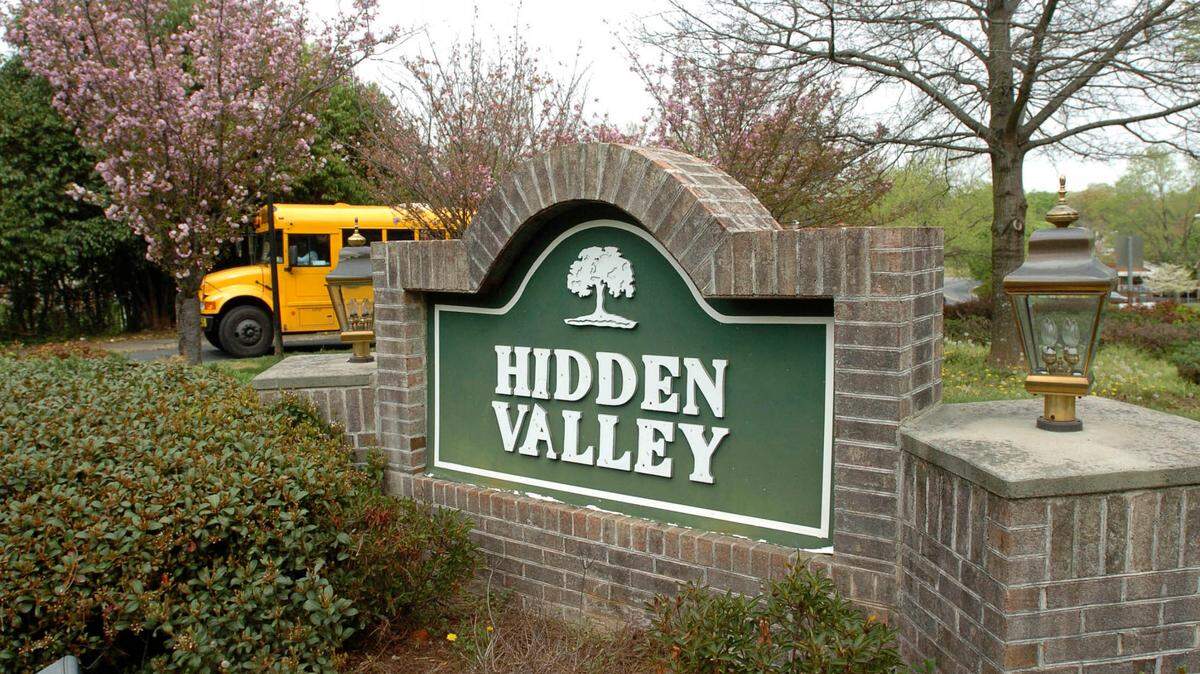
A proposal that would bring duplexes into Charlotte’s Hidden Valley has some of the neighborhood’s residents worried about gentrification and sparked concern over the city’s housing needs.
Charlotte-based ZCMB1 LLC came before the City Council Tuesday seeking approval for a zoning change that would allow it to build 14 units on Gondola Avenue in the northeast Charlotte neighborhood.
Currently the area allows construction only of single-family homes. The company is managed by Zeb Moser, according to the North Carolina secretary of state’s business filings.
Hidden Valley Community Association members spoke against the proposed rezoning, citing traffic concerns, a growing number of rental homes in the neighborhood and the continued encroachment of corporations into the area. The discussion brought into focus the Unified Development Ordinance, which goes into effect June 1, and the looming impact of the city’s 2040 plan.
“These economic deals are appearing out of thin air,” Charlene Henderson, a Hidden Valley Community Association member, said. “They are affecting the quality of life for our residents who live in these areas.”
Under the UDO, she said, those with more resources and funding could increase the cost of living for neighbors.
Passed last August, the UDO consolidates the city’s development regulations into one document. It helps chart a path for the goals of the 2040 Comprehensive plan, which calls for equitable growth and development for Charlotte over the next two decades.
The UDO allows for developers to build denser units in what was traditionally single-family home areas, the Charlotte Observer previously reported. The provision drew public scrutiny from opponents of the UDO who feared unintended consequences such as gentrification.
Councilwoman Renee Johnson said the increased attention from developers in Hidden Valley should not surprise anyone. Johnson said the neighborhood was one of the reasons she opposed the 2040 plan.
What’s happening in the neighborhood is “gentrification 101,” she said.
“We’ve lost our historically Black neighborhoods in this city,” Johnson said. “Hidden Valley has beautiful, large lots and this was so foreseeable.”
Mayor Pro Tem Braxton Winston, meanwhile, said the city lacks the supply of housing to fill current demand, and at its current pace will not meet future demand. City officials are going to have to reckon with the facts on the ground, he added.
The worst thing the city could do was limit the types of housing in neighborhoods like Hidden Valley, Winston said. It would also be misleading to say limiting housing would stabilize the community, he added.
“Continuing to limit the ability to build more homes in areas like Hidden Valley is what gentrification looks like,” Winston said. “It’s going to continue to make it unaffordable for working people.”
‘We want to champion homeownership’
Collin Brown, attorney representing ZCMB1 LLC, said once the UDO is in effect it would likely allow duplexes in the area. So it benefits neighbors to get a conditional plan now.
Right now, the goal is to price the units as market rate housing, but nothing was off the table, Brown said. It would be near impossible to make the units more affordable without increasing density, he said.
“One of the positives is that we are still in the conditional zoning environment,” Brown said. “So we can still continue to have conversations with you all and the neighborhood association to see if we can add some conditions that would get them comfortable.”
Marjorie Parker, Hidden Valley Community Association President, said neighbors want to see fewer rentals and more people able to buy homes. She wants developers to consider affordable housing that matched Hidden Valley’s median area income.
Charlotte’s median area income for a household is $65,359, compared to $48,570 in Hidden Valley, according to Point2Homes, a real estate website.
“We want to champion homeownership,” Parker said.
Councilman Tariq Bokhari said the 2040 plan does the opposite of preserving single-family homes. Bokhari, who voted against the plan, said it makes the city more dense by nature. Neighborhoods would also have less input on incoming developments, he said.
For now neighbors still had an opportunity to get concessions before the UDO goes into effect, Bokhari said. If Hidden Valley neighbors wanted infrastructure improvements now was the time to work in good faith, he said.
The proposal will be discussed at the Hidden Valley Community Association meeting on Feb. 7 beginning at 6:30 p.m., held at the Charlotte Northeast Seventh-day Adventist Church. City Council’s next zoning meeting is on Feb. 20.
This story was originally published January 20, 2023 at 6:00 AM.