Want to plant a clover lawn in time for St. Patrick’s Day? This is how you can do it
Having a yard full of lush, green grass is a satisfying feeling for homeowners.
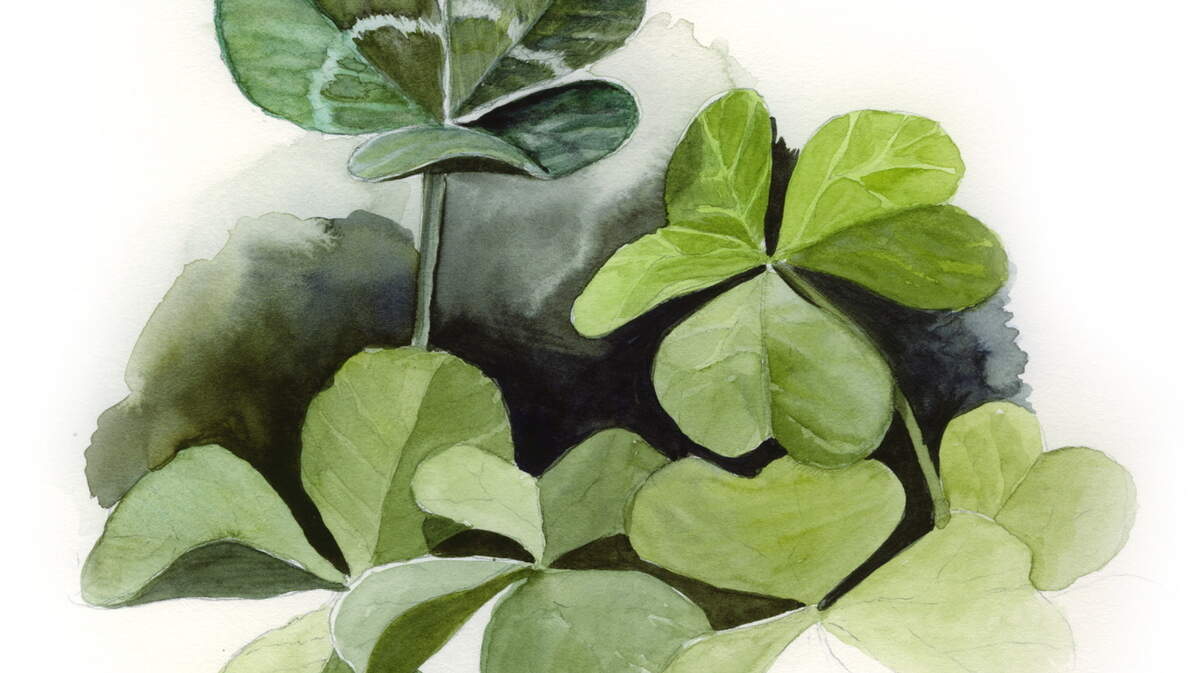
For others, they envision their lawns being filled with clovers -- a symbol of St. Patrick’s Day -- all year.
Growing clover in your yard might sound silly, but the plant is more likely to stay green during all four seasons and they are generally easier to care for than traditional grass.
If you’re considering planting a clover lawn, here’s what you need to know:
How to plant a clover lawn
Here’s how you can plant your own clover lawn, according to Better Homes & Gardens:
Scrape away any leaves, lawn clipping or debris from your existing lawn to expose the soil for seeding
Lightly sprinkle clover seeds across your lawn
Sprinkle a little topsoil over the seeds
Water your lawn to keep it moist until you see seedlings pop up in a few weeks
Since winters are usually mild in Charlotte, Better Homes & Gardens recommends planting clover lawns in the fall and monitoring your lawn for weeds during the first few months.
Benefits of clover lawns
Here are some benefits of clover lawns, according to home improvement expert Lori Lovely:
Clover lawns only need to be mowed a few times a year
They are drought-tolerant, meaning it doesn’t need to be watered as often as grass
Clover lawns do not require fertilization
Clover lawns crowd out weeds, so there’s no need for pesticides or herbicides
Clover seed is typically cheaper than grass seed
Clover can spread over grass without much maintenance
Clover lawns do not require aeration
Clover lawns attract pollinators, such as bees and butterflies
Clover is evergreen, which means it can survive in droughts
Clover is softer than grass and doesn’t discolor from pet urine
Clover lawn drawbacks
Though clover lawns have many benefits compared to traditional grass, there are some disadvantages to planting them, according to Lovely.
Clover lawns can become patchy in heavily traveled areas, meaning it may not be the best idea to plant them if your yard is used as a recreational area.
Those who opt for clover lawns may also have to reseed every 2-3 years to prevent spottiness.
This story was originally published March 17, 2023 at 6:00 AM.