How common are tornadoes in NC? See how many have touched down in your county
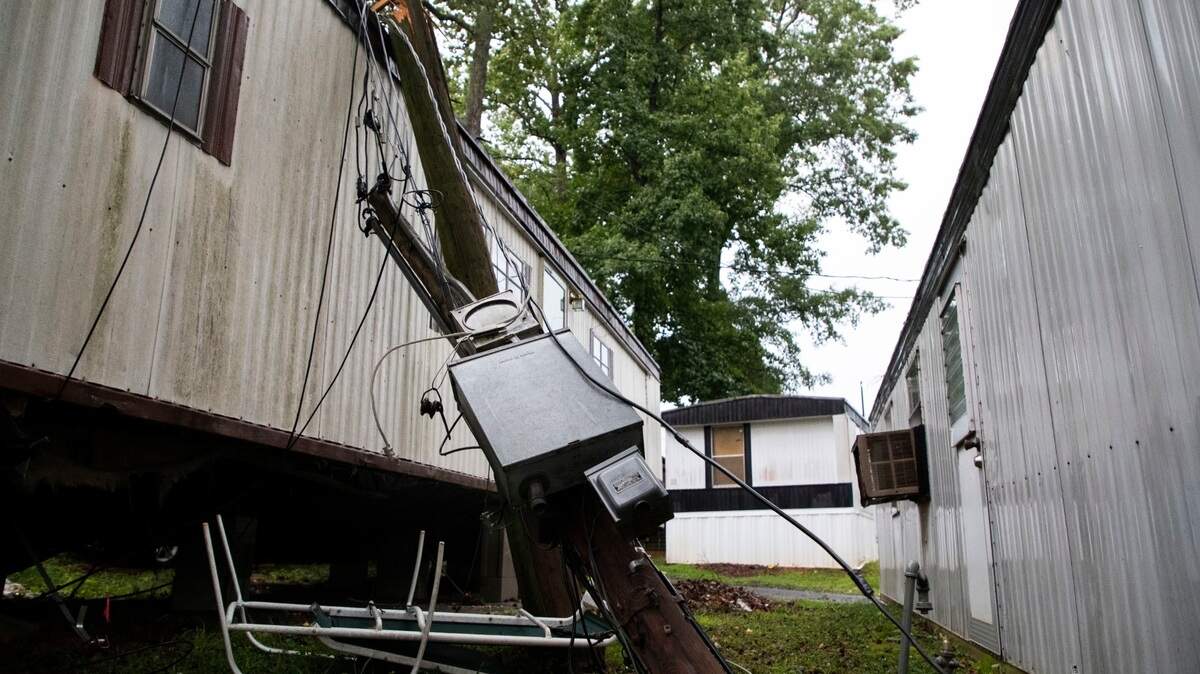
Two tornadoes that touched down in the Lake Norman area during severe storms this week resulted in thousands of power outages in the area, according to the National Weather Service.
An EF-1 tornado packing 110-mph winds uprooted many trees on a 37.41-mile path that began on Kelly Boulevard between Conover and Claremont in Catawba County, according to an NWS damage survey report late Tuesday.
EF-1 is considered weak on the NWS Enhanced Fujita Scale for tornado damage and wind speed, stronger only than an EF-0 among six classifications.
South of Lake Norman, an EF-0 tornado with 85-mph winds that began in eastern Lincoln County caused minor damage to building exteriors and knocked down trees on a 1.8-mile path Monday afternoon, according to the NWS.
One death was reported in the NWS Greer office coverage area during the storms, when a tree fell on someone in Anderson County, NWS meteorologist Bill Martin told The Charlotte Observer Tuesday.
How prevalent are tornadoes in NC?
Since 2015, 255 tornadoes have touched down in North Carolina, according to data from the National Oceanic and Atmospheric Administration. They killed seven (two indirectly), injured more than 40 and caused $136 million in property damage.
▪ Coastal counties – Brunswick, Carteret, New Hanover and Pender – were hit the most, at least 14 times each in the last eight-plus years, data show.
▪ Three twisters struck Mecklenburg County during that time. All were EF1 tornadoes, with gusts between 86 mph and 110 mph.
One of those was a tornado that touched down last year and ran nearly four miles across east Charlotte.
“Several homes received minor roof damage as the tornado crossed Rocky River Rd just west of I-485,” NOAA’s Severe Storm Event data said. “The tornado continued northeast across I-485 just north of Rocky River Rd before moving into Cabarrus County.
What are the signs of a tornado?
According to the NWS, a developing tornado may include these indicators:
Rotating funnel-shaped cloud
Approaching cloud of debris
Dark or green-colored sky
Large, dark, low-lying cloud
Large hail
A loud roar that sounds like a freight train
If you notice any of these signs, you should take cover immediately and monitor local media for weather alerts.
How to prepare for a tornado
Here are some ways you can prepare for a tornado, according to the CDC:
Identify the safest place to take shelter in your house, such as storm cellar, basement or inside room without windows.
Create and practice a tornado emergency plan.
Write down important phone numbers, including emergency numbers, insurance policy types and vehicle registration information.
Store important documents in a safe location
Prepare an emergency supplies kit, with items for first aid, water and food
Remove possible hazards, like heavy items stored on high shelves.