Change in plans: Johnston YMCA won’t close at end of year after deal falls through
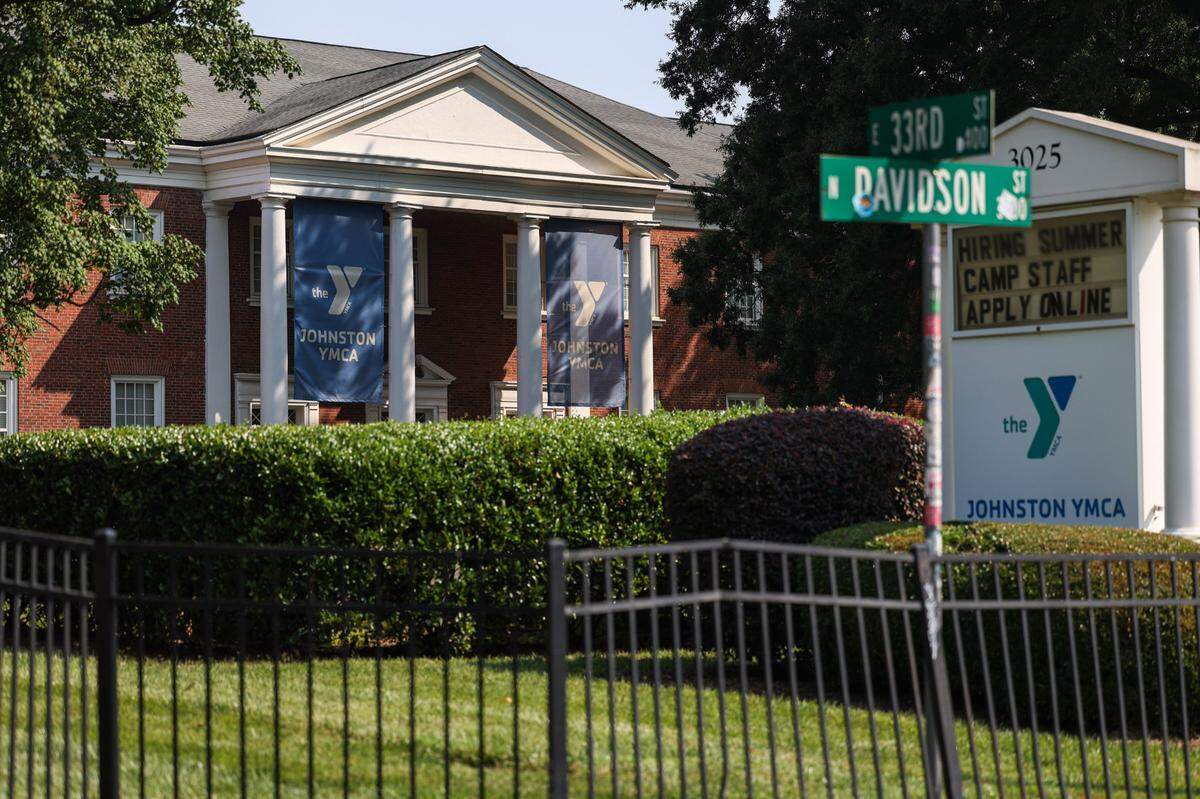
The Johnston YMCA in NoDa will remain open beyond the end of 2023 after a deal for the YMCA of Greater Charlotte to sell the property to a developer fell through, the organization announced Thursday.
The YMCA of Greater Charlotte will continue to seek a buyer for the 73-year-old building and property at 3025 N. Davidson St. to help stabilize the finances of the nonprofit, the chair of the Y’s board of directors told The Charlotte Observer. But with no current prospective buyer, the facility will operate for the foreseeable future.
“We’re back to the drawing board,” said Charles Bowman, the chair of the YMCA of Greater Charlotte’s board of directors. “We don’t know what exact shape it may take, but we’re going to just explore a variety of options. … We’ll continue to look for a party to purchase the property and take the proceeds to continue the mission of the Y.”
The YMCA announced in May it had reached an agreement with a developer to purchase the property, and said that the Johnston Y would close at the end of 2023. In July, Republic Metropolitan filed permits with the city and county for a mixed-use development called NoDa Village that would include 455 apartments, shops and a green space. A price was not disclosed.
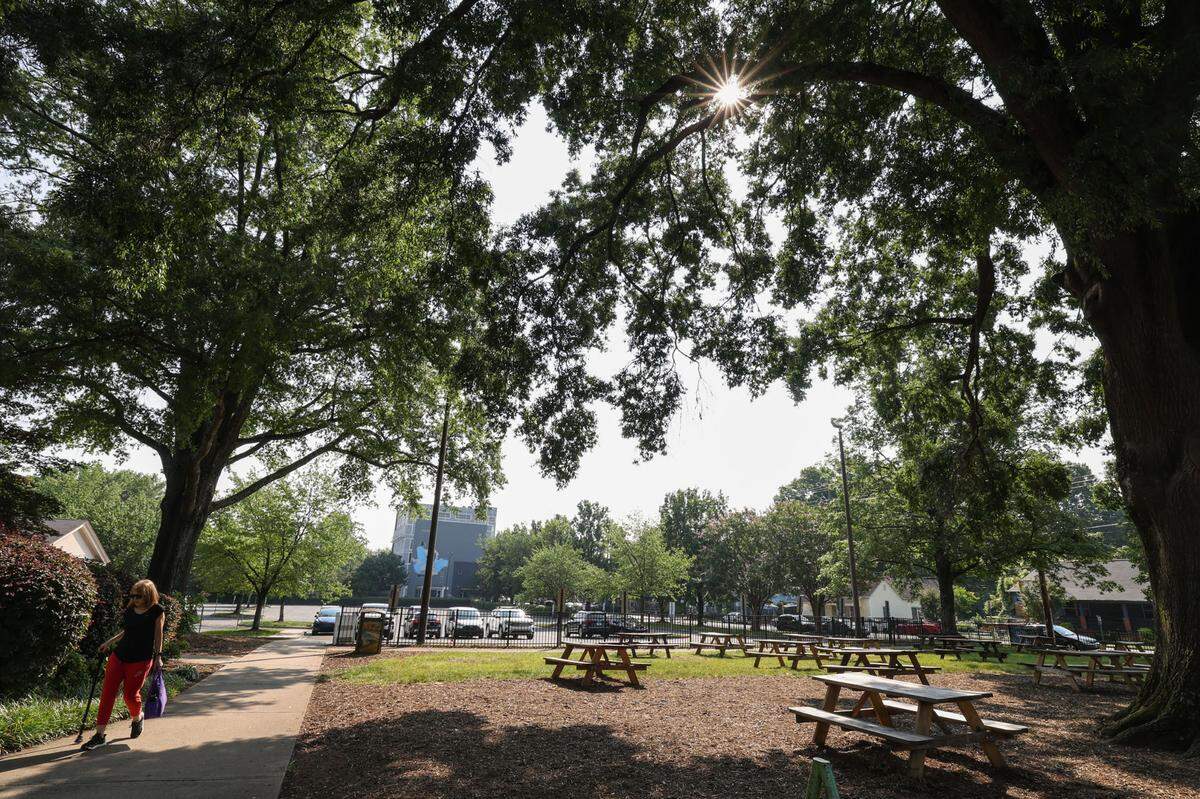
News of the sale concerned community leaders, who said the loss of the Johnston Y would remove not only fitness facilities — including Charlotte’s oldest indoor swimming pool — and child care, but a neighborhood gathering place on the property’s expansive front lawn with a massive willow oak tree.
Reached by phone this week, Republic’s senior vice president of development Adam McMichael declined to comment on the YMCA deal.
Bowman said there was a difference in “timing and concessions” with Republic.
“In the back and forth, the things they were asking for were not things that we felt like we could concede,” Bowman said. “We just agreed to terminate our contract.”
A $5.4 million deficit in 2022
The Charlotte YMCA began a process in 2017 of seeking a buyer to redevelop the Johnston Y, which is in need of structural updates and modernization. The original intent had been to maintain a physical presence on the site, but the coronavirus pandemic hit the YMCA’s bottom line hard, exposed an over-reliance on membership fees for revenue — and a need to generate cash.
Membership is down about 25% since 2019, YMCA officials said. According to the YMCA’s tax records, total revenue was down about 26% from 2019 to 2022. Last year, the YMCA also reported a $5.4 million overall deficit, the first time the nonprofit has reported a loss in recent years. Bowman said the Y has had an operating deficit each year since 2020.
To restructure the organization and stabilize finances, the YMCA has focused on improving profitability in four main areas: philanthropy, camping, programs and services, and footprint.
The footprint category is what led to the decision to sell the Johnston branch, and is also driving a possible sale of two Lincoln County branches, the Lincoln County Family YMCA in Lincolnton and Sally’s YMCA in Denver. A community task force has been assembled in Lincoln County “with the intent to have an agreed-upon direction by the end of this year.”
The Johnston Y property and buildings have a tax value of $19.4 million, according to Mecklenburg County records. The two Lincoln County properties have a combined tax value of $12.4 million, according to county records.
Bowman said the Johnston Y and Lincoln County Y sales are not linked, and that the termination of the sale of the NoDa property will not influence the decision on the fate of the Lincoln County branches.
“They’re not interconnected,” he said. “They’re not contingent upon each other, but they are all part of this.”
‘You have to adjust your expenses’
“This” is the YMCA of Greater Charlotte’s need to generate cash. Although there have been passionate community reactions to announcements of potential branch closures, Bowman said the moves are necessary.
“People can get negative pretty quickly about organizations, but there’s no reason to be negative about our organization,” Bowman said. “We’re trying to be transparent. We’re trying to work with people. We’re trying to respond to our membership and to our reality.
“We think we’re a good community partner,” he added. “We will continue to try to live up to that, but we will first of all live up to the mission of the Y and to try to serve as many people as we can with the membership that we have.
“And it’s really simple: When you don’t have enough income, you have to adjust your expenses. That’s what we’re doing.”
When the YMCA announced the Johnston sale this year, NoDa Neighborhood Association president Krysten Reilly said she was disheartened to learn the news via a press release. She said Thursday she’s hopeful the Y’s search for a new buyer will allow for additional community input. The YMCA says it met with community members when it first began exploring redeveloping the property in 2017.
“I understand that they’re still interested in selling the property, and we totally get that, but our position as a board would be that we would still love to to preserve some things for the community since that space has always been intended to be a community space,” Reilly said.
Specifically, Reilly said she would love for NoDa to “retain the green space and the tree canopy that have been a community gathering space for the neighborhood.”
Bowman was clear that the Y still is pursuing a new buyer and has no plans to keep the Johnston branch open long-term, but added “I never say never” and that “we want people’s input.” The ultimate decision could be made under the leadership of a new CEO, as that open position is expected to be filled in the coming weeks.
“I think people need to understand that the decision rights remain with the Y board,” he said. “We want to hear potential proposals, but the decision and the duty of being a good fiduciary will be with the Y Association board.”
The good news, Bowman said, is that the YMCA is on pace to at least break even this year — and potentially turn a profit — after three years of operating with a deficit.
“We went from $19 million (operating deficit in 2020) to $12 million to $7 million to break even or better,” Bowman said. “Our trend line is a really strong credit to the staff who are very purpose-driven people. They’ve worked their tails off.”
This story was originally published September 21, 2023 at 9:30 AM.