
Charlotte ranks as one of the worst in the US for bed bugs. How bad is it?
If you’re waking up scratching from tiny bites on your body, you’re not alone if you live in Charlotte.
The city cracked another top 10 list this week, but not the kind to boast about to relatives in other states.
This week, Charlotte was ranked as the ninth worst for bed bugs among 50 U.S. cities, according to pest control company Orkin.
The company ranked metro areas where its workers performed the most bed bug treatments from Dec. 1, 2022, to Nov. 30, 2023. The ranking includes both residential and commercial treatments.
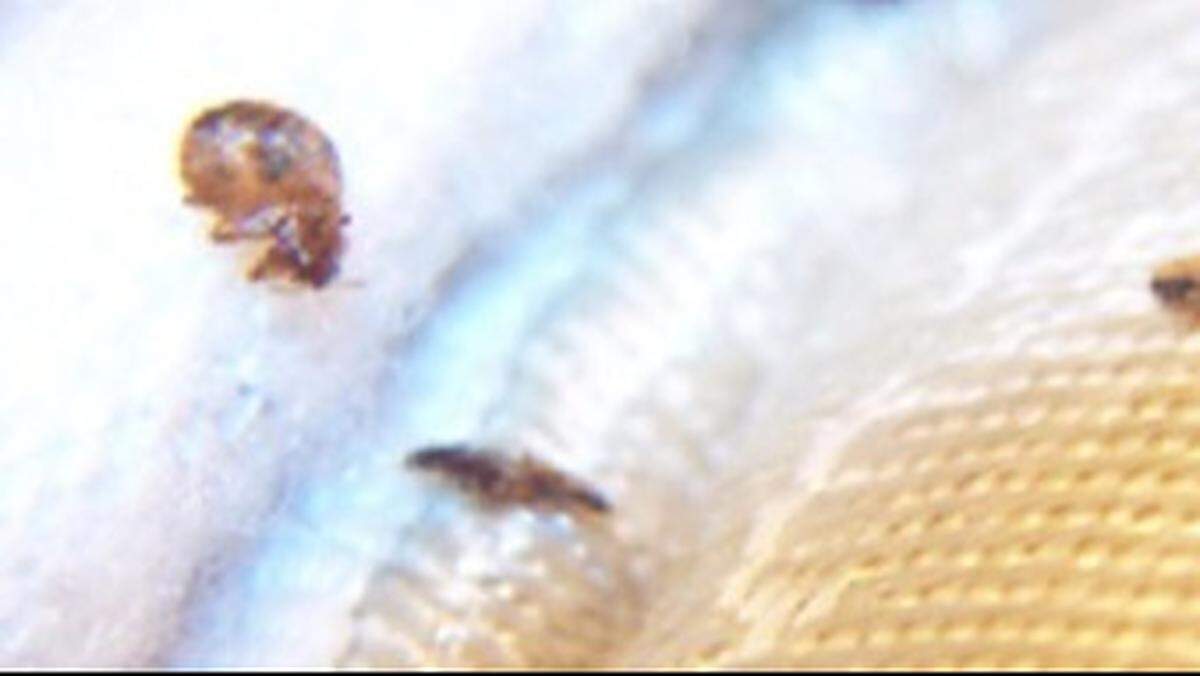
Charlotte moved up five spots on the company’s annual list, finishing just behind Indianapolis, Indiana, and just ahead of Champaign, Illinois.
Chicago ranked first, followed by New York and Philadelphia.
Next was Cleveland-Akron, Ohio, Los Angeles, Detroit and Washington, D.C.
Greensboro came in at 18 and was the only other city in the Carolinas to make the top 20. Greensboro also saw the most dramatic climb in the rankings of any city, moving up 25 spots from last year.
Raleigh ranked 20th on last year’s list but dropped to 24th this year. In South Carolina, Greenville ranked No. 27.
What are these invading, biting bugs?
About the size of Lincoln’s head on a penny, bed bugs are everywhere across the world, according to the federal Centers for Disease Control and Prevention.
The wingless, reddish-brown parasitic insects feed only on sleeping people and animals, CDC officials say. They’ve spread quickly in recent years across parts of the U.S., Canada and the United Kingdom, according to the CDC.
Whether you’re in a five-star hotel or your home, the bugs can be there to feast on you, CDC officials say.
“Their presence is not determined by the cleanliness of the living conditions where they are found,” according to the CDC. “One pregnant female can lead to an infestation of thousands within months and affect bedding, clothing, and furniture.”
The bugs “cause swelling, burning and irritation that result in rashes,” the CDC says.
Travel spreads bed bugs
Orkin didn’t say how many homes and businesses its workers have treated in Charlotte and other cities or speculate why some cities have more of the irritable parasites than others.
Travel plays an important role in their prevalence, according to the CDC.
Charlotteans are rightly proud of their airport, the second biggest American Airlines hub in the country.
CLT is the seventh-busiest airport worldwide for arrivals and departures, according to the Airport Council International’s preliminary rankings for 2022, The Charlotte Observer previously reported.
Could we be taking bed bugs home from our travels?
Unfortunately, yes, says the CDC.
“Bed bugs are usually transported from place to place as people travel,” according to the CDC. “Most people do not realize they are transporting stow-away bed bugs as they travel from location to location, infecting areas as they travel.“
Are bed bugs dangerous?
Several bed bug bites can cause an allergic reaction, but the bugs are not considered dangerous, according to the CDC. They are more of an irritant, causing you to scratch their itchy bites.
How to rid your home of bed bugs
Ridding your home of bed bugs is difficult and can take DIYers months of applying various treatments, according to the U.S. Environmental Protection Agency.
The EPA recommends non-chemical remedies, including:
▪ Putting affected sheets and clothes in a dryer on high heat or in black plastic bags in a hot, closed car in the sun.
Such home remedies may not work, the agency acknowledges on its bed bugs website. “Professionals have access to more intensive and proven methods that can even treat whole houses with heat,” according to the site.
▪ Cold treatment. Place items in a sealed bag in a freezer set at 0 degrees F for three days.
“Many home refrigerator freezers are not cold enough to kill bed bugs,” the EPA says.
▪ Wet or dry steam cleaners set at temperatures of at least 130o F.
The cleaners can access cracks and fabrics to treat carpets, and baseboards, bed frames and other furniture, according to the agency. Avoid a forceful airflow from the cleaners, which could merely scatter the bugs.
▪ Bed bug interceptor traps placed under furniture legs.
If you still see bugs a few days after treatments, consider applying pesticides, the EPA says. Desiccants, which are chemicals that dry things out, are particularly effective, according to the agency
What to avoid when treating bed bugs
Don’t try these methods, according to the EPA:
▪ Pool or food-grade diatomaceous earth, which consists of fossilized remains of tiny aquatic organisms called diatomsiny. Breathing in diatomaceous earth can harm you, the EPA says.
▪ Rubbing alcohol, kerosene and gasoline, which easily ignite with a spark or cigarette.
▪ Sticky traps that catch spiders, cockroaches and other insects, but not bed bugs.
This story was originally published January 24, 2024 at 8:37 AM.