North Carolina had biggest bump in gun-purchase background checks nationwide in 2023
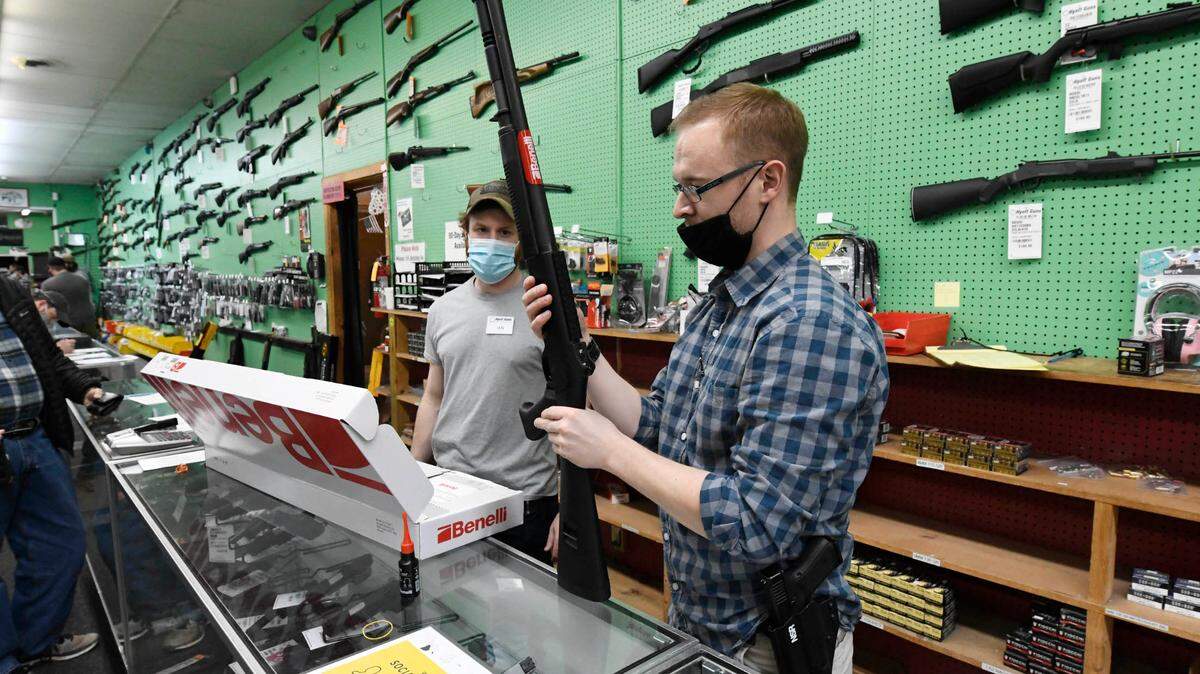
North Carolina bucked a nationwide trend last year with gun purchases, registering more federal firearm background checks in 2023 than it did in 2022.
In fact, North Carolina recorded the largest numeric increase in background checks nationally during that time, according to a Charlotte Observer analysis of FBI data.
Experts consider the checks, required of federally licensed gun dealers, as an accurate proxy for gun purchase trends.
From 2022 to 2023, checks using the National Instant Criminal Background Check System increased 19% – to more than 730,000 — in this state. Only Hawaii and North Dakota saw larger percentage increases. And only seven states saw any increase at all.
“I attribute that to the repeal of the permit,” said Paul Valone, president of Grass Roots North Carolina, a gun-rights not-for-profit. “Quite frankly, that is the only variable that significantly changed.”
In March of last year, North Carolina lawmakers repealed the state’s long-held pistol purchase permit law, which required anyone who wanted to buy a handgun to first get a permit, good for five years, from their sheriff’s office.
Before the sheriff’s office awarded the permit, it would run the applicant’s information through NICS as well as state and local criminal databases, said Bradley Smith, spokesperson for the Mecklenburg County Sheriff’s Office.
In April, the month following the repeal, federal background checks in North Carolina spiked 24% – to more than 83,000 – the largest percentage increase in the nation during that month, data show.
Larry Hyatt, owner of Hyatt Guns on Wilkinson Boulevard, said his staff experienced the surge first hand.
“We called them the no-lunch days,” Hyatt said. “You’re getting to work and your job all day long is to wait on customers and make sure they get the right product and all the forms are filled out… It was over and over.”
Some buyers viewed the state permits as bureaucratic red tape, which was an obstacle to them acquiring handguns, Hyatt said. Others had applied for a permit but had been waiting for months for an approval, he said.
In 2021, four gun-rights organizations and three residents sued Mecklenburg County Sheriff Garry McFadden over the delays. State law required that sheriff’s issue handgun permits within 14 days of an application, Smith said.
At the time, the sheriff’s office had a backlog of nearly 6,000 permit applications, The Observer has reported. Some of those were more than four months old. Last year, when the repeal went into affect, the sheriff’s office had 218 pending applications, Smith said.
Wake County was also behind in approving handgun permits. Sheriff Gerald Baker suspended pistol and concealed-carry permit requests during 2020’s COVID-19 outbreak, when demand for guns surged and the county’s backlog hit 755 pending applications, The News & Observer of Raleigh has reported.
A quicker road to gun purchases
Hyatt said the repeal of the permit law showed a pent-up demand for handguns. When the law was dropped last year, Hyatt had to hire four additional workers, he said.
With the state permit law gone, licensed sellers like Hyatt use NICS to verify that the buyer doesn’t have a criminal record, such as a felony or domestic violence conviction, isn’t the subject of a restraining order, hasn’t been involuntarily committed to a mental institution and has the proper citizenship status.
Because background checks are only required when a person buys a gun from a federally licensed dealer, Democrats opposed to repealing North Carolina’s 104-year-old permit law said it could open the door for private gun sales to people who are not legally allowed to possess a firearm.
One criminal case where that might have occurred was last year’s killing of UNC-Chapel Hill professor Zijie Yan on campus. Former graduate student Tailei Qi, charged with killing Yan, purchased a gun from an individual even though he was ineligible to buy one because of his visa status, according to warrants obtained from federal court records.
With the repeal of the state gun permit, Qi was not required to show a permit to the unnamed seller, who investigators interviewed in the Charlotte area, according to the warrants.
Gun-rights advocates and others have said background checks during private sales were largely overlooked and rarely enforced.
But that doesn’t mean they didn’t make a difference, said Andrew Willinger, executive director of Duke University’s Center for Firearms Law.
“I don’t think it meant that the requirement wasn’t doing any work,” Willinger said. “It may have been discouraging people on the front end. That’s not something we can really measure.”