Tracking inequality: Charlotte group to survey neighborhoods to find where it’s hottest
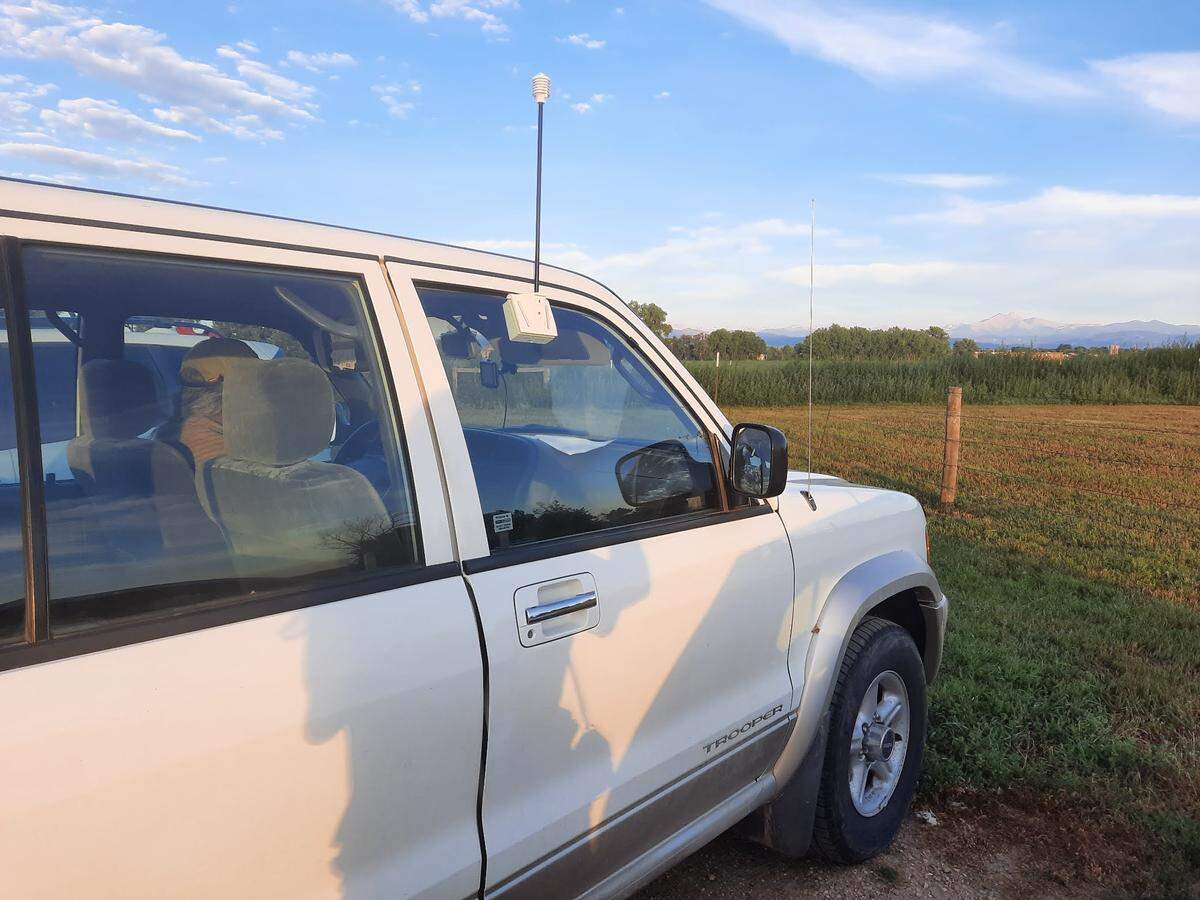
If you’re around Charlotte this Sunday, you may notice quite a few vehicles driving around with a white antenna-looking object.
These cars aren’t some new version of Uber eats or a self-driving service. Instead, they are being used to track which parts of Charlotte are the hottest.
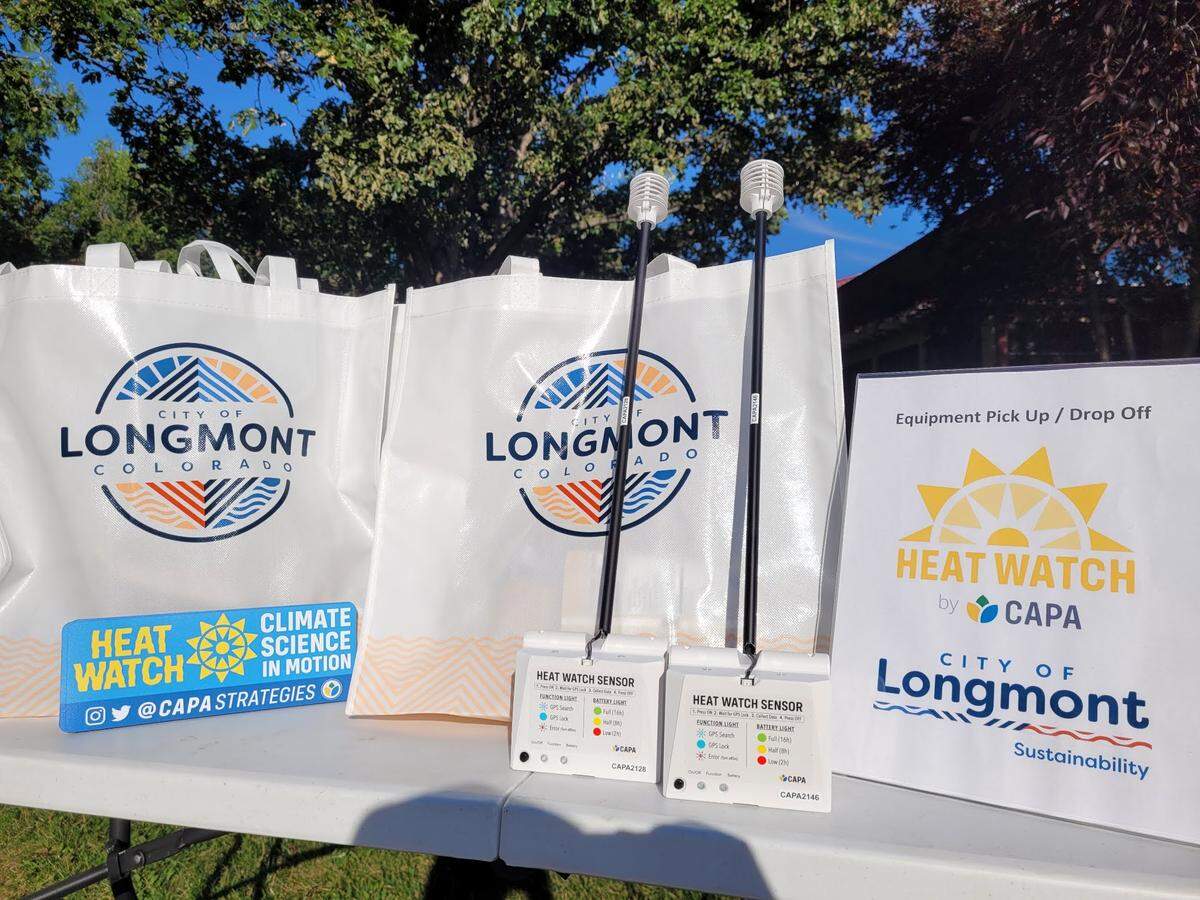
Dozens of volunteers, dubbed the Charlotte Heat Mappers, will set out with these sensors on July 14 to track different areas’ temperatures.
The sensors will be placed at a height of six feet from the ground so that they can get an idea of the kind of heat people experience as they move around. The team will head out in groups of at least two during the morning, afternoon and evening to cover 100 square miles.
The data will be used to inform policies, such as where to plant trees, said Katherine Idziorek, an assistant professor of geography and community planning at the University of North Carolina at Charlotte. Idziorek is also spearheading the Charlotte campaign.
Charlotte was one of 14 cities chosen this summer to participate in the National Oceanic and Atmospheric Administration’s annual survey. The program began in 2017 and has had new cities surveyed each year.
This year was the first Charlotte applied to participate, Idziorek said.
“Across the board, we found that everyone was very interested in this project and was very hungry for the data and had some way that they would like to use it to support their agenda or or their constituencies,” Idziorek said.
Spotting the differences
A major portion of the project looks at environmental inequalities, said Morgan Zabow, the community heat and health program manager for NOAA.
Communities that have not been invested in have been “disproportionately impacted to extreme heat,” Zabow said. Some of the areas NOAA has tracked have also been historically redlined neighborhoods.
In other cities, NOAA has found that neighborhoods that have more asphalt, fewer trees and taller buildings can make that neighborhood 15 to 20 degrees warmer. The agency has also found that as time goes on, evening temperatures continue to get hotter.
“Just kind of understanding what the factors are that go into that can help when you’re starting to develop (neighborhoods),” Zabow said. “Okay, what are we going to do about this? What are our solutions going to be?”
Idziorek often takes the light rail to get from where she lives to UNCC. In the summer, she said she always feels the heat pressing down on her when standing on the platform. This is not the only area where the city experiences this, she said.
“Even in the morning, being exposed to that heat is quite uncomfortable,” Idziorek said. “I can imagine it gets more dangerous throughout the rest of the day.”
Extreme heat is the No. 1 weather-related killer in the country. The National Weather Service reported that in 2023, 207 people were killed by heat. The second most frequent cause was rip currents, which caused 91 deaths.
Getting involved
Twenty-seven year old Thomas Grice had been taking a summer course at UNCC when his professor mentioned that he should get involved with the heat mapping project.
Being from Charlotte, Grice said he saw the campaign as an opportunity to combine his love for the city with his interests in environmental science. He wants to understand how areas are being impacted by development, he said.
“I’ve heard and seen so much change and growth in the city, which I’m happy to see people want to move here,” Grice said. “I’m hoping that it will allow for basically creative solutions on how to add more green space while keeping the city growing.”
Other organizations are stepping up to help with the event. Maureen Gilewski is the board chair with CharlotteEast, a nonprofit focused on building and developing the community in a sustainable way.
Gilewski has lived in East Charlotte for about 50 years. She’s hoping to study how a lack of shade and areas that have concrete, asphalt and other water resistant materials can contribute to differences in temperature.
“It will hopefully bring about some really good data that we can share with government officials to say something needs to change here,” Gilewski said.
Finding solutions
The result from the study won’t become available until about six to eight weeks after the survey is completed.
Other cities that have participated in past years have gone on to develop plans that mitigate the heat by adding cooling centers. The information can also be used as a way to educate others about extreme heat, Zabow said.
This way, when people are walking around in an area that is known to be warmer, they can make sure to carry around water with them.
Idziorek said the data will be a kind that Charlotte has never had access to before and will give a clearer picture of what people are experiencing as they move around the city.
Her hope is that a variety of communities in the city will use it to support their goals and initiatives for improving those areas.
“In order to support our most vulnerable populations and move toward more equitable quality of life health outcomes in our city, we need to be really attuned to what these differences in urban heat are across our communities,” Idziorek said.
This story was originally published July 13, 2024 at 6:00 AM.