DaBaby speaks heart-to-heart on mental health with West Charlotte High students
Lights flash and people in the crowd take videos with smartphones as cheers of anticipation from West Charlotte High School students erupt and fill the auditorium.
One of their heroes, Charlotte-based Rapper Jonathan Kirk, professionally known as DaBaby, has arrived.
But this wasn’t a performance, per se.
This was more of a heart-to-heart chat with some of his most loyal fans on a topic close to him — mental health — taking place at the school last Thursday on World Health Day.
Taking a step back from his usual celebrity and all the good and bad press it brings him, Kirk appeared humble as he embraced the importance of good mental health. For this occasion, the Grammy-nominated rapper spoke specifically about an experience involving his brother Glenn Johnson who struggled with his mental health and died in 2020 by suicide.
Johnson, who attended West Charlotte for some of his high school years, was 34 years old.
“I’m not exempt from being able to go through these types of things,” the rapper said in a video of him speaking to a few hundred people at West Charlotte. “If they see me navigate through them and still be able to move forward and, and try to move forward with grace and positivity, I feel like it will inspire the next person one step at a time. And it’s somebody that they can directly connect to.”
DaBaby, who grew up in Charlotte, started DaBaby Cares following his brother’s passing and created a “Mental Health 101 Toolkit” for youth, in partnership with the Mental Health America of Central Carolinas. The initiative is dedicated to creating safe spaces for youth, while providing real-time support.
The resource features tips on how to spot changes in your or someone’s mental health — anxiety, unexplained anger, or losing interest in doing things — and first steps in how to help.
It also lists several links to professional help and other experts in the field, including resources for youth in Mecklenburg and Cabarrus counties, as well as the national suicide hotline: 988.
The organization, originally founded as the Charlotte Mental Hygiene Society and the Charlotte Mental Hygiene Clinic, opened in 1933 and serves Mecklenburg and Cabarrus counties. It offers free mental health counseling for those who can’t afford it, plus family support services to parents of children with behavioral, emotional or mental health needs and peer support for adults living with chronic mental illnesses.
DaBaby reached out to the group, says executive director Ayo Johnson, who came on board earlier this year. Since leading the nonprofit, Johnson has made strides to improve men’s mental health, especially with Black men.
It’s an effort that begins when they are young. Mental health is listed among five priority areas in Mecklenburg County’s most recent Community Health Improvement Plan.
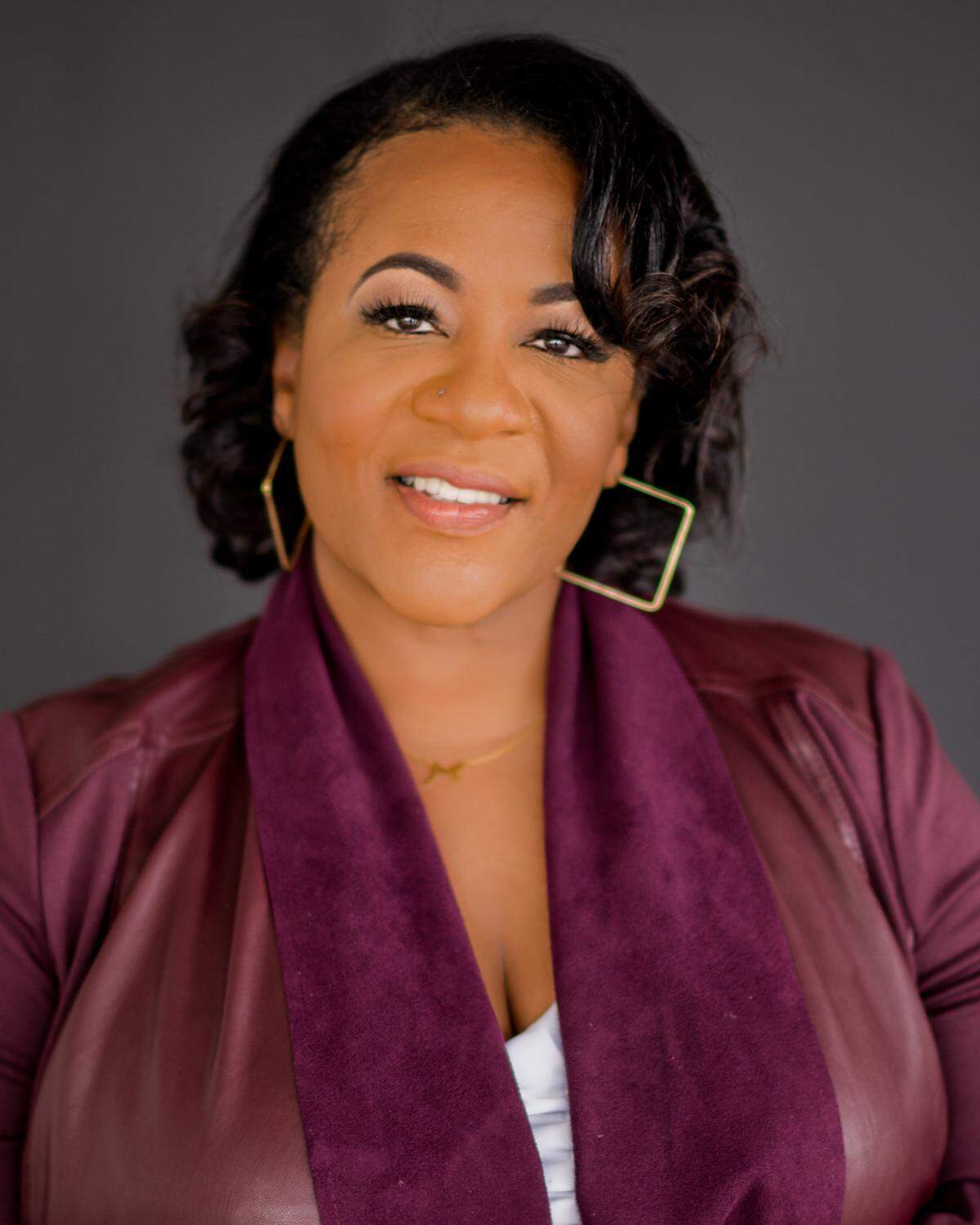
“Mental health is health. We cannot separate it from our physical health,” Johnson said in an email to The Charlotte Observer. “While it’s important to address cost as a barrier to access to services, we must also work tirelessly to end the stigma surrounding mental health. It’s crucial that our teens know it’s OK, to not be OK, and to reach out for help if they’re struggling.”
The nonprofit also seeks to “increase the pipeline of clinicians of color,” by employing master’s of social work students as interns in its free counseling center. According to data found on zippia.com, a career research site, there are more than 198,000 therapists in the U.S. While some 75% are women, less than 5% are Black and nearly 8% are Hispanic.
“We are being intentional about diversifying this sector,” Johnson wrote. “I think it’s more than just getting access to care. It’s getting access to culturally competent care.”
Among some important things youth can do to safeguard their mental health, especially during a volatile election cycle is to steer clear of social media, she said.
“This may be an unpopular opinion but limiting their exposure to social media until after the election is one of the best ways,” Johnson said in an email. “Until they have matured enough emotionally to fully grasp that what they see on social media is mostly fabricated joy, rehearsed happiness and scripted smiles, it’s a great practice in general, not just during election season.”
For DaBaby, his goal is to be there for youth, especially those with limited options.
“ ... to be a vessel to these type of resources and, and these type of tools to help people, you know, cope with, with things that they’re going through that they probably feel like they got nobody to talk to and nowhere to go to,” he said. “Because if things start early and you know, these kids, a lot of them feel like they got nowhere to run to and nobody that understands them.”
This story was originally published October 16, 2024 at 7:00 AM.