Florida hurricane left a woman, her daughters homeless. Now she lives at Charlotte hotel.
Hurricane Michael had just swept through and destroyed Alicia Harvey’s home in Florida’s panhandle in 2018 when she found herself living in a hotel with her two daughters, facing a decision.
Low on cash and hitting dead ends in her housing search, Harvey had to decide if they should stay near Panama City, where they lived their entire lives, or take a leap of faith and move in with a relative near Charlotte for a short time while she got back on her feet.
Harvey took the leap.
“I liked Charlotte when I first came, but quickly started to feel regret for it,” Harvey said. “When you can’t provide the basic hierarchy of needs, such as … having decent housing … it really has taken a toll on my children, taken a toll on me, to the point that I just feel like I’m hanging on by a thread.”
Six years since moving to Charlotte, Harvey, 37, said things haven’t gone the way she’d hoped. Instead of a new home, she and her now-teenage daughters have only experienced financial hardship and housing insecurity.
At times, she’s juggled multiple jobs to make ends meet. And instead of living in a house or apartment, the three of them have lived in five to seven different hotels the last few years, including, most recently, at the Lamplighter Inn in west Charlotte — a place city officials say is unfit for habitation.
Harvey and her daughters moved into the hotel in February for a supportive housing program called Vermelle’s Place, thinking a short stay at the property would be a way out of homelessness.
She and other tenants were told there would be housing assistance, on-site health providers and counselors, and affordable rent. But none of that happened.
The city announced Nov. 22 that the hotel will close Dec. 11 because of unsafe living conditions.
Those who have nowhere else to go will be put up in other hotels. Harvey said she and her daughters will do that while she works with the nonprofit Housing Collaborative to find long-term housing.
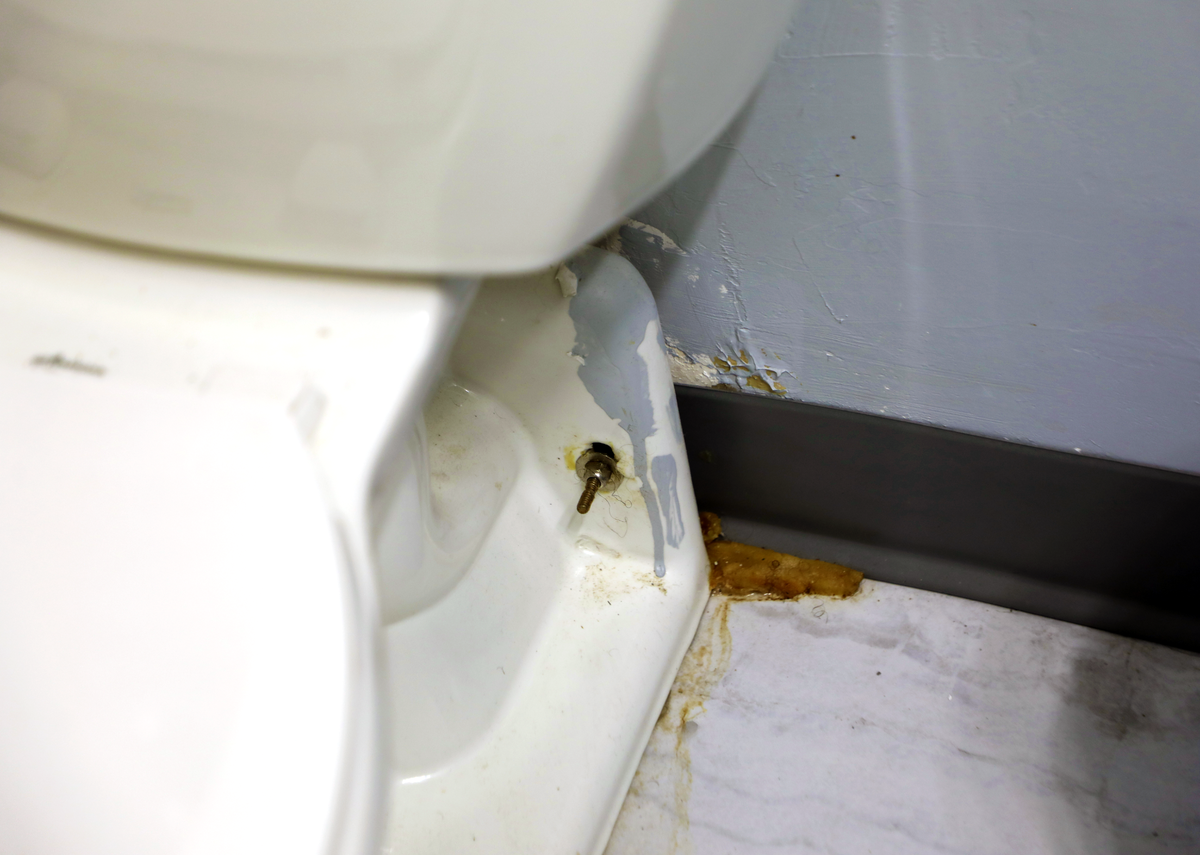
She said she’s looking forward to leaving the Lamplighter’s poor conditions but still wants to find a real home.
“I don’t want to be at another hotel,” Harvey said.
From Florida to North Carolina
In Florida, Harvey said she and her kids lived in a tight-knit community of friends and family. They were active in their church, she said, and she had a fulfilling career.
A graduate of Florida State University with a bachelor’s degree in psychology, Harvey worked in a prison teaching people basic literacy and life-management skills.
It was rewarding “to see their lives change and to see adults that never really got to confront where they went wrong in life, and give them a space to be able to to express themselves,” Harvey said. “And really get to the root of the problem that could possibly help them to have a better future if they were afforded the chance to live outside of the confinement of prison.”
But then Hurricane Michael, a category 4 storm, hit the area and devastated her community.
She looked for help from agencies like FEMA, she said, but still couldn’t find housing and funds to replace everything her family lost.
With nothing to return to in Florida, and everyone in her community struggling with the recovery, she hoped she and her daughters would find a stable home a few states north.
A struggle to find housing
Harvey found a job in healthcare in Charlotte and moved her daughters into her relative’s home.
Her daughters enrolled in school near Matthews, and she started saving money. But her daughters struggled to acclimate, and she was worried about overstaying her welcome at her relative’s home. So she and her daughters moved into a shelter.
“My cousin already had their family, and I didn’t come to live off someone,” Harvey said. “I came to get a stepping stone and see how I can get my own place. And when that didn’t happen fast enough, I went to the shelter for help.”
They lived in a shelter on Spratt Street in uptown for about a month before they were placed into another shelter, which was at a hotel, she said.
She said she thought she would be working with a case worker on housing. But they rarely met, Harvey said, and soon after, the shelter relocated residents because of maintenance problems at the hotel.
The shelter was going to move her and her daughters into a home in Harrisburg, she said, but being concerned about getting her daughters to school in Matthews each day, she turned it down.
She and her daughters were placed by the shelter in another hotel for 30 days but were told they had to leave after that, Harvey said. The shelter was only paying for a 30-day stay.
The three went back to the Spratt Street shelter.
Trying to get out of hotels
Harvey was working four jobs at the time, one full-time job with the state, and three part-time jobs that included security work at a bank, valet parking at a garage, and caretaking elderly disabled people. She said it almost felt like she was working 24 hours per day.
She was required to sign in and out of the shelter each day. One day, exhausted from an overnight shift, Harvey said she forgot to sign in.
The next morning, instead of meeting with a caseworker on finding permanent housing like originally planned, she was told she was getting kicked out for forgetting to sign in.
“I remember being very distraught that day.” Harvey said. “I just forgot one time. It was never a problem.”
From then on, she and her daughters have been in and out of hotels.
Harvey said groceries and paying for car insurance and gas has made saving money for a deposit or down payment impossible.
The COVID-19 pandemic in 2020 was like facing a second hurricane, Harvey said. Living in hotels was already difficult and expensive, but now it was a struggle to find a place with availability.
She and her daughters have suffered from mental health problems since, Harvey said. Her daughters’ academics have suffered.
Finding new community
A glimmer of hope came in 2023, when Harvey found an apartment near Matthews, close to where her daughters go to school.
For a year, they finally felt that sense of stability they had been craving since losing their home. Harvey found a small church in north Charlotte to attend, building another community and getting support.
The church helped furnish the apartment, she said. And her and her daughters’ mental health improved.
But she couldn’t afford a $300 rent increase to renew her lease.
They found themselves at the Lamplighter Inn.
“When I first came to the Lamplighter, it was something that gave me hope. I was hopeful,” Harvey said. “It was a very decent, nice place to live. It had been newly renovated, and I didn’t expect to be there long at all.”
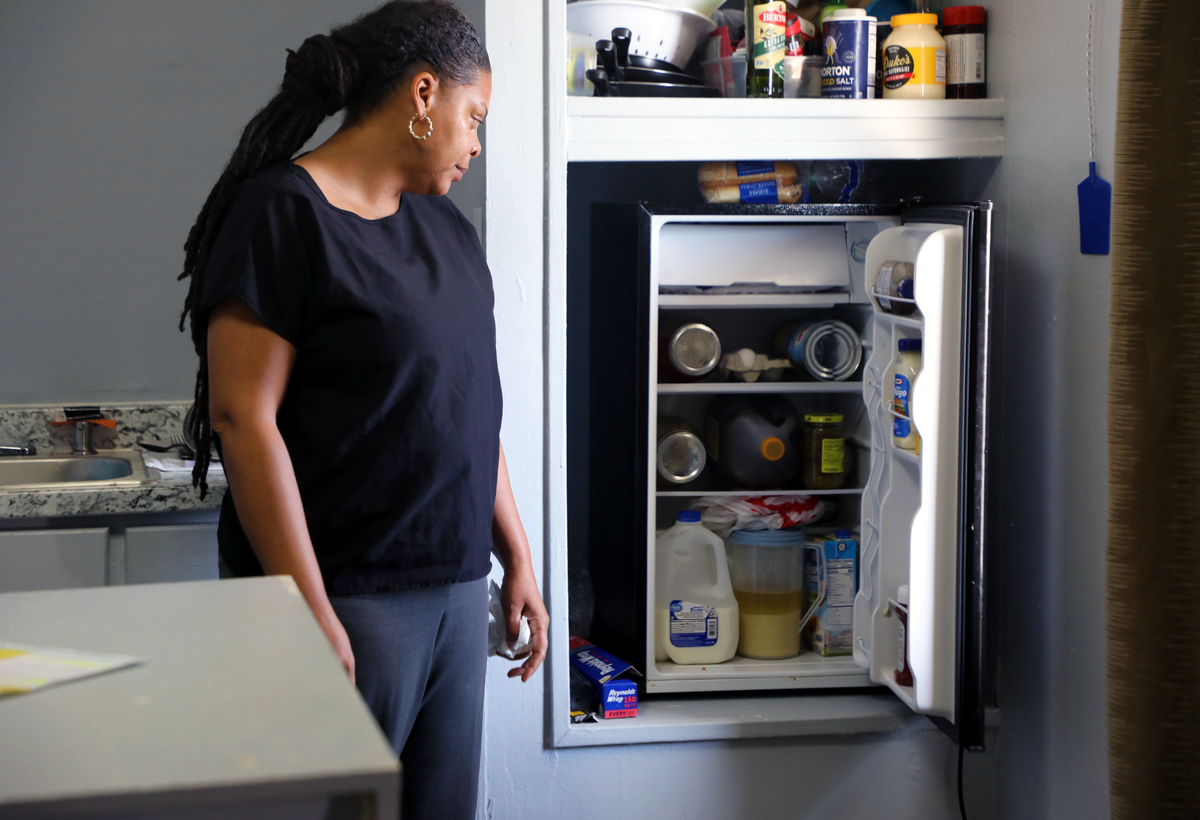
But rooms began to fall apart, and utilities were cut off randomly, she said. She and other tenants said they felt misled by the “Vermelle’s Place” pitch.
She has especially relied on her faith in God during these times, she said.
One day in March, while walking home from the store, she noticed the hotel’s sign for the first time, realizing it was called the Lamplighter Inn. It made her think of words spoken by God, she said.
“I heard this voice speaking inside of me … telling me that this will become a whole, stable place for a lot of people going through the same thing you’ve been going through,” Harvey said.
Harvey made an effort to cheer up tenants around holidays, like making cards for Mother’s and Father’s Day and taping them to hotel room doors, or organizing trips to a local recreation center for the kids living at the hotel.
She and her daughter took them to drumming lessons in the summer, she said. She’s found camaraderie with some of the tenants, and said she hopes to keep in contact with some once they’ve all landed back on their feet.
She hopes they can someday get together and talk about what they’ve been through and try to make sure others don’t have to go through it, too.
Harvey has built a strong relationship with Apryl Lewis, an advocate and founder of Kinetic Works LLC, who has helped the tenants. Harvey acts as a liaison between the tenants and Lewis.
“She was instrumental in carrying the voice of the tenants. She was instrumental in making sure that people got what they needed,” Lewis said about Harvey. “When it came to speaking up about what they were dealing with. She was the voice for them.”
Lewis said Harvey is a leader and a caring person, and that, despite experiencing so many hardships, she always makes time to help other people.
“I think she is just an awesome person,” Lewis said. “Anything that I can do to support her success, that’s what I’m willing to do, and that’s what I have been doing. Any connection, any job, anything that I can do to help benefit, I pour into her.”
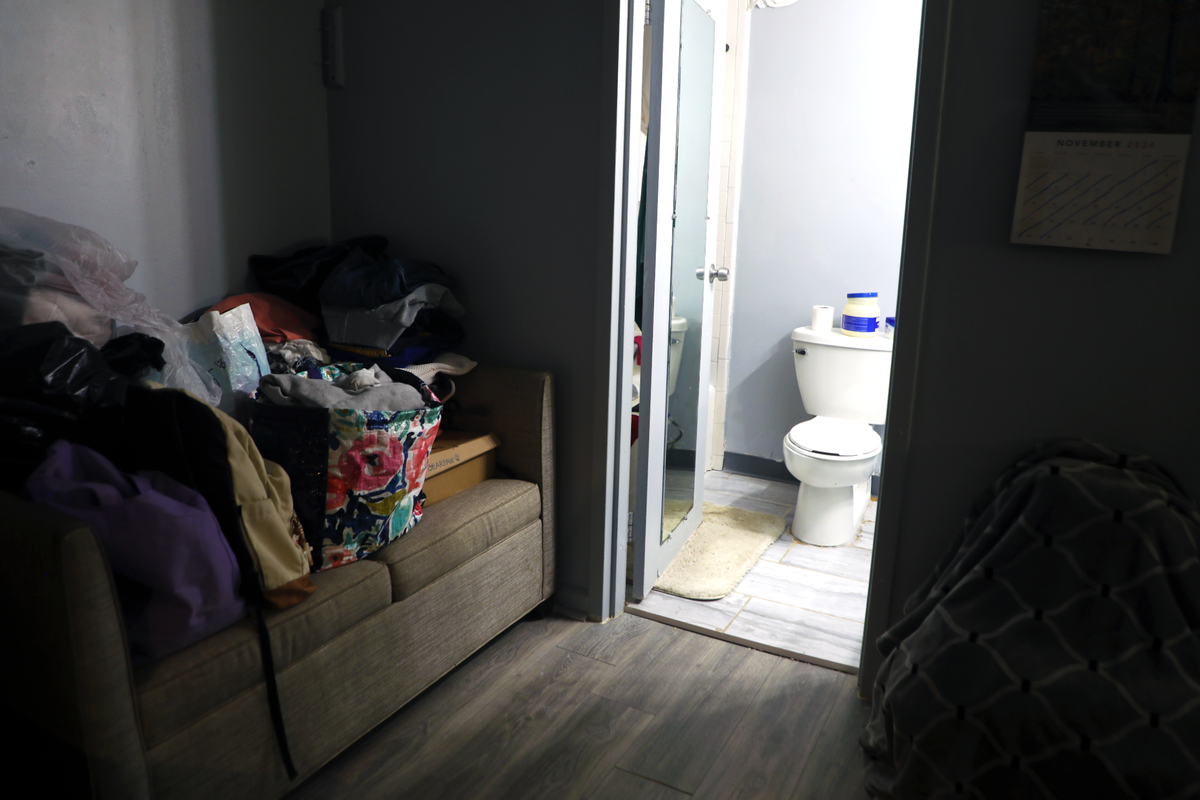
Harvey said she is inspired by her experiences at the hotel and working with Lewis, as well as her frustrations with how little help she’s received from Charlotte and Mecklenburg County since moving here.
She wants to help people experiencing homelessness, she said, and wants to change how homeless people are viewed and treated.
She wants to see changes in policy, as well as attitude and perception, she said. And she wants to see people become knowledgeable about what homelessness looks like and know people experiencing it come from all walks of life.
“I became homeless, initially, even before getting here, because of a hurricane,” Harvey said. “Because of the lack of help.”
This story was originally published December 2, 2024 at 5:00 AM.