‘We risk losing everything.’ Ukrainian refugees in Charlotte fear deportation from Trump
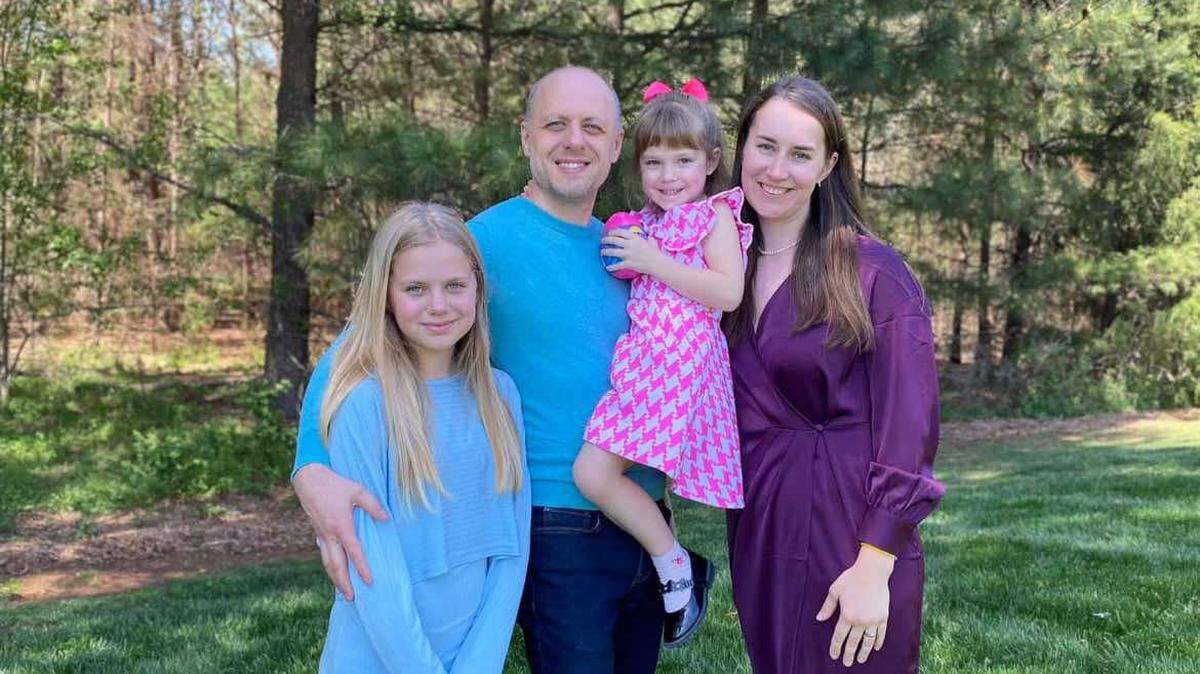
When Valeria Sokolenko and her husband moved their family to Charlotte two years ago from Ukraine, it wasn’t just to escape the war with Russia, but for all the opportunities it would afford them in their children’s education, their careers, and guaranteeing them a safe future.
But they said their future and the life they’ve started building in their new country is at risk now after reports that President Donald Trump’s administration said it wants to revoke the temporary legal status of more than 240,000 Ukrainian refugees who came to the United States to escape the Russian invasion of their country.
White House Press Secretary Karoline Leavitt posted on Thursday that “no decision has been made at this time.”
But it has left Ukrainian refugees living in Charlotte worried about their safety and potentially being forced to leave their new lives behind.
There are about 4,000 Ukrainians in Charlotte who are protected status holders and parolees.
“We sold real estate in Ukraine to make a down payment on our own American home; we left behind our entire cultural and material heritage in the hope of rebuilding it in a new country; we did not come for benefits and free housing but to build our own successful future through hard work,” Sokolenko, 36, said in an email to The Charlotte Observer. “We understand shifts in domestic policy but do not understand how it is possible to abandon people who have invested millions of dollars into the country’s economy.”
New lives in Charlotte
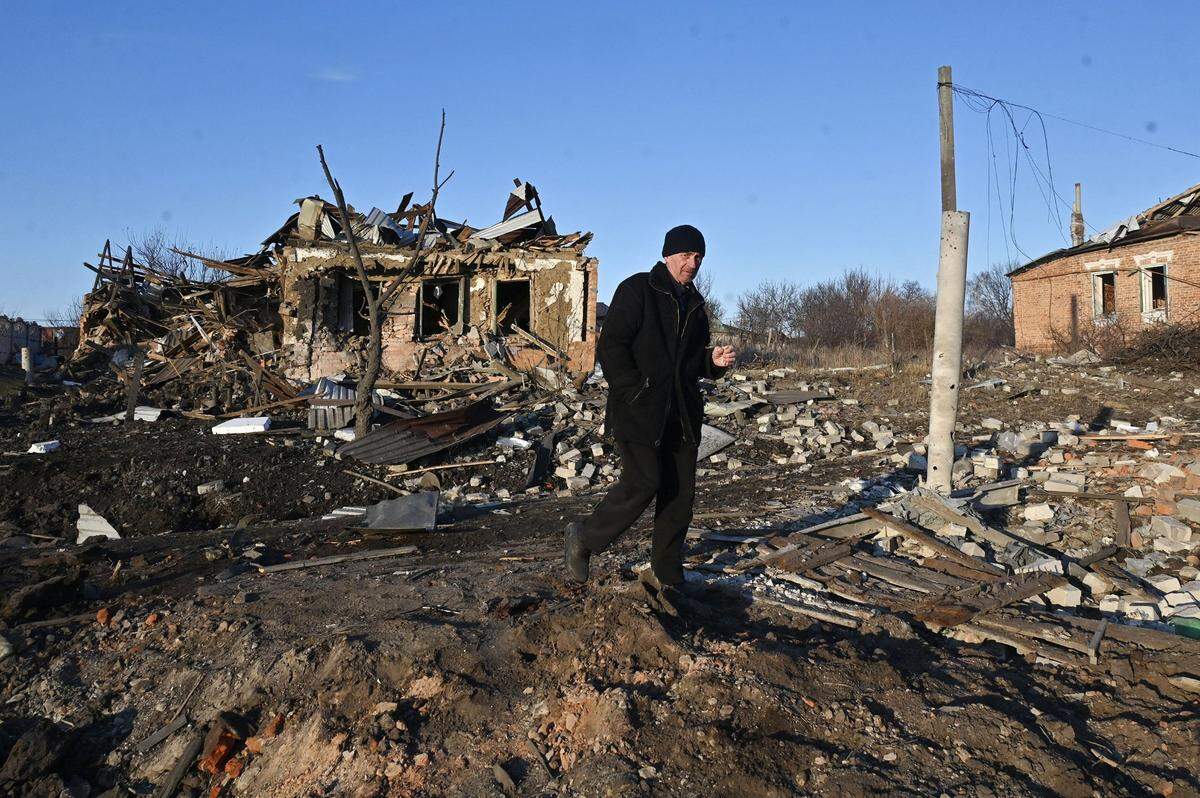
Sokolenko and hundreds of thousands of other Ukrainians began fleeing their home country after Russia launched a full-scale military invasion in 2022. Since then, large portions of the country’s eastern border have been taken over by the Russian military, displacing millions of Ukrainians.
The Biden administration launched its “Uniting for Ukraine” program in response, which allowed Americans to sponsor Ukrainians impacted by the Russian invasion, offering them a chance to live and work in the United States without going through a lengthy visa process.
Since moving to Charlotte, Sokolenko and her husband opened a branch of Ukraine’s largest architectural lighting design company, their children are attending school, and they rented a home.
News of the possible revocation of their legal status came nearly a week after Trump’s tense meeting with Ukrainian President Volodymyr Zelenskyy over a potential minerals deal at the White House ended abruptly.
Trump and Vice President JD Vance berated Zelenskyy, accusing him of not being sufficiently grateful for the military aid the United States has provided Ukraine since the war began. Zelenskyy pushed back, saying he was grateful. The record shows that Zelenskyy had repeatedly expressed thanks and gratitude to the United States for its help.
Trump has since floated pausing U.S. military aid to Ukraine, and taken to social media to air his grievances with Zelenskyy. In particular, he said he was angry that Zelenskyy suggested the end of the war with Russia could be “very, very far away.”
One of Trump’s campaign promises was to bring an end to the war in Ukraine within 24 hours of being sworn into office.
“The war in Ukraine is still ongoing, and Trump’s promises to end it on the first day of his presidency have remained just that — promises,” Sokolenko said. “This does not guarantee safety for any Ukrainian who would be forced to return home.”
Safety not guaranteed
For Slavik, a 40-year-old man from Ukraine now living in Charlotte, the uncertainty over whether or not he and his family would be safe back in Ukraine reminded him of the first few days of the war.
“In the early days of the war, we fled without knowing where we were going or where we would spend the night,” Slavik said in an email to the Observer, asking that his last name not be published because of the uncertainty for his family. “Now, we do not know where we and our children could return to, given that our country is at war and missiles continue to rain down on civilians.”
When Slavik, his wife, two daughters and mother-in-law arrived in the United States in 2022, they lived with an American family for the first month and quickly got work visas, he said. They started attending a Baptist church each Sunday and enrolled their kids in school.
Since then, they’ve assimilated to life in the United States, he said. His children find it easier to speak English rather than Ukrainian, his wife is building her own cleaning business, and he has worked at a large auto repair company for the last three years, he said.
Slavik, who is from Irpin, a city near the Kyiv region, said he isn’t sure where he and his family would go if they were deported back to Ukraine.
“This worries us because many of us have nowhere to return to — our homes are destroyed, damaged, or located in occupied territories,” he said.
He and his wife are trying not to panic, telling their children everything will be fine, but he said it has been difficult.
“We cannot demand that the U.S. government keep our legal status, as we are guests here and must respect President Trump’s decision,” Slavik said. “However, with deep respect and gratitude, we ask the U.S. leadership not to revoke refuge for Ukrainians in the U.S., especially those who work, create businesses, and pay taxes.”
Threatens to disrupt new lives
Revoking their legal status threatens to disrupt the new lives Ukrainians — the majority of whom are women and children — have begun building here since being forced to flee their homes, said Olga Hoy, director of the nonprofit group Charlotte for Ukraine.
“Those children saw war, they heard explosions, many were woken up in the middle of the night ... That was the last time they slept in their bed,” Hoy said.
But since coming to the United States, life has become normal for them. They’ve started overcoming language barriers and making friends, and aren’t scared by the sounds of airplanes, she said.
“Now, they would have to uproot and go into unknown again,” Hoy said. “Who would wish such on a child?”
Two other Ukrainian refugees answered questions from the Observer this week, also asking that their last names not be published.
Yuliya, 29, is one of the mothers who fled to Charlotte almost three years ago with her 2-year-old son to escape the war. She’s said she’s happy to find safety, become a taxpaying employee in the United States, and to be able to send her son to a good school.
“I also want to remind everyone that Russia does not care what it targets,” Yuliya said via email. “Schools, kindergartens, and hospitals are also considered military targets for them.”
Could face new dangers
Nina, a 39-year-old mother of two who moved to the United States almost three years ago with her husband from the border of Irpin and Bucha, said she’s worried about being able to survive if she and her family are forced back to Ukraine. The couple decided to flee the second day of the war after hearing explosions at Hostomel Airport near Kyiv.
Her family suffered casualties during the first couple of days during the war, she said. Her 55-year-old civilian uncle was tortured and killed and could only be identified through a DNA test, she said, and her brother-in-law was taken from his home, tortured and executed with other civilians.
Her mother-in-law, who refused to leave Bucha, was confined to a single room with neighbors without water, food or electricity as fighting was happening outside, including snipers who would shoot and injure people.
“When Bucha was liberated, my husband returned to get his mother,” Nina said. “She had suffered two heart attacks, was in critical condition, unable to speak, and barely able to move.”
Her mother-in-law was taken to a hospital in Poland, she said, saving her life. But she struggled to live abroad and returned home.
Since moving to the United States, Nina said, she and her husband founded a small home repair company, their daughter has made major academic achievements at her school, and Nina has started working toward becoming an accountant.
“We risk losing everything we have managed to build — our business, education, and stability. Most importantly, we could lose the safety we have found here,” Nina said. “For us, returning to Ukraine could mean facing new dangers, as our family has already endured occupation and suffered great losses.”
This story was originally published March 7, 2025 at 12:15 PM.