
As growth creeps into Derita, residents want the change to bring meaningful investment
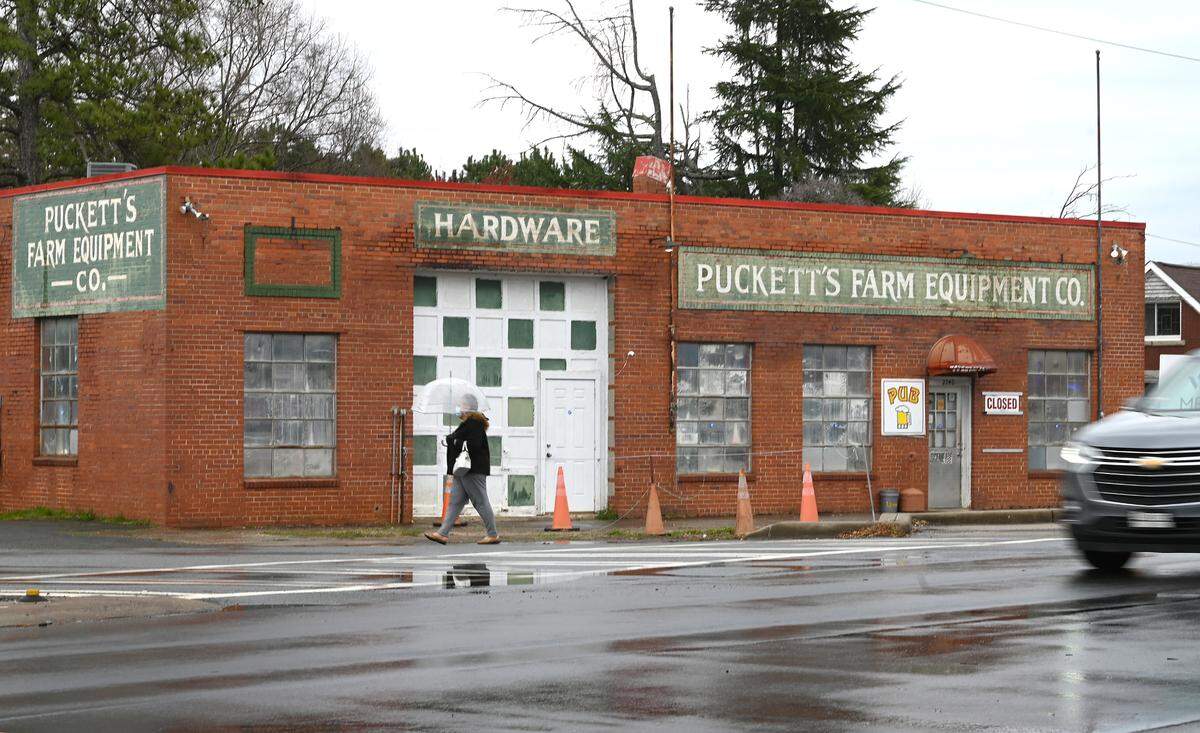
For nearly a century, Puckett’s Farm Equipment has been Derita’s landmark. With its brick façade and large windows, the farm-equipment dealer turned pub is the community’s most recognized building.
But as soon as this summer, the historic building at the intersection of Mallard Creek and W. Sugar Creek roads will come down. The property is under contract to become a four story, 60-unit apartment complex.
This change comes as clusters of construction workers are building up new homes, townhomes and apartments throughout the small community just north of Charlotte’s uptown — an indication of the city’s growth creeping in.
While some residents aren’t against the growth, they want different investment — more restaurants, coffee shops, parks, shopping, even an urgent care — that would give Derita a stronger sense of place. Without it, they worry if their neighborhood will simply become a residential pass through between uptown Charlotte and University City.
Right now, Derita is a community where many must travel outside the neighborhood for these amenities.
“Why do we have to be a place where everyone who lives here has to go somewhere else to do something they want to do?” Joseph Margolis, a Derita resident and advocate, said.
Residents also wonder whether private developers and city officials are waiting for the proposed Red Line commuter rail before community investment happens. But completion could be years away, the Charlotte Observer previously reported.
Adding to that concern, Derita is split among three city council districts making some question whether there is a unified vision for their community.
Residents want city planners to take notice and be a guiding hand for new investment in their community — especially since landmarks such as Puckett’s and Gary’s Barber Shop, which served the community for 59 years, will be or are already gone.
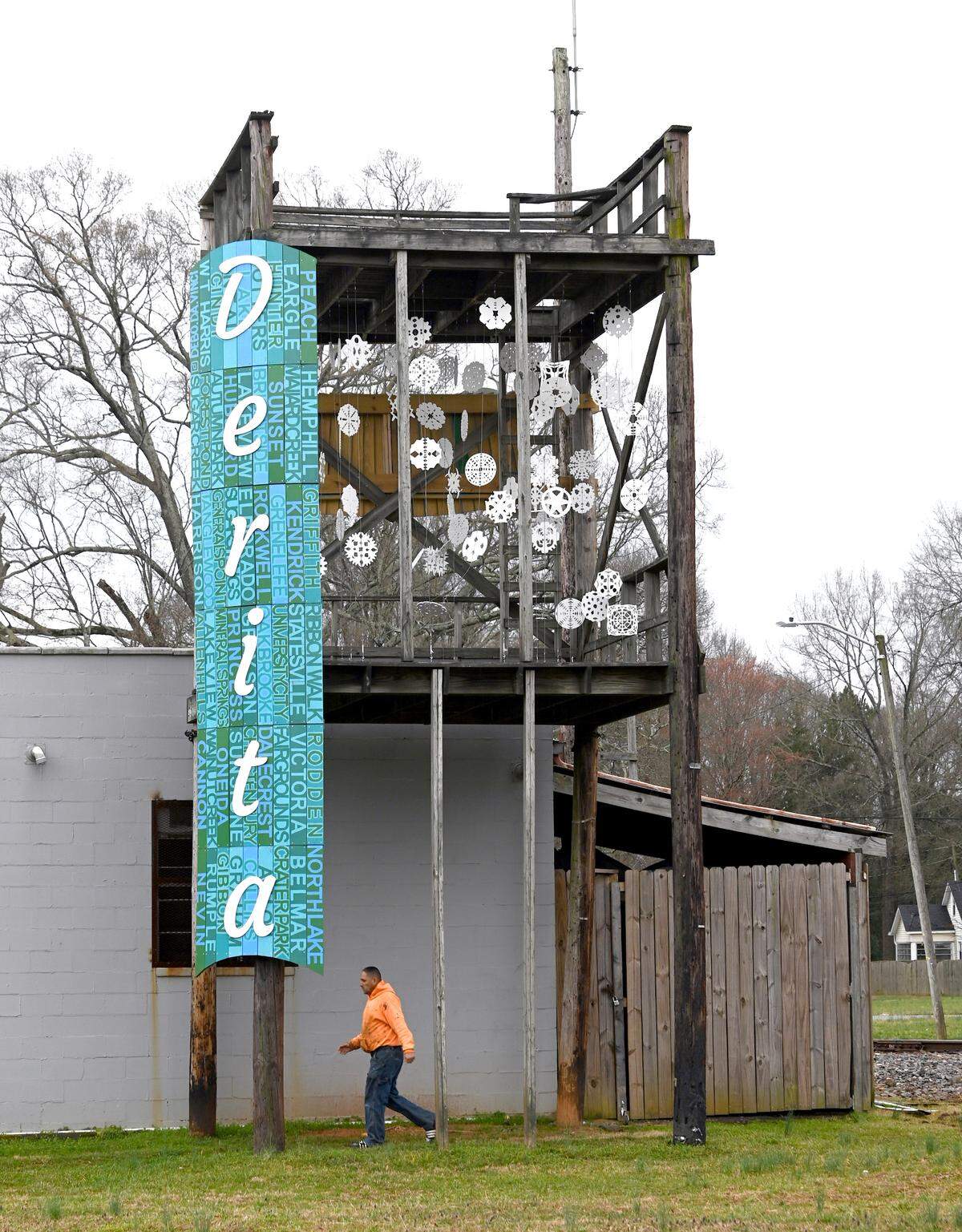
Near the intersection of W. Sugar Creek and Mallard Creek, a large turquoise sign gives passersby a sense of place. Derita is spelled out in large white letters anchored by rectangular panels with words representing major roads, other Charlotte neighborhoods and subdivisions within Derita.
The sign, which was put up last year, was intended to give Derita a stake in the growth they are now experiencing, said its creator Hasheem Halim. As more development creeps in, he hopes his community’s identity isn’t lost.
“As Charlotte grows and becomes bigger and bigger of a city, I think the identity of Charlotte could start to homogenize,” he said. “I think it’s important to have different neighborhoods with different feelings.”
Change is necessary
Theresa McDonald sips her coffee as she gazes out the large window panes enveloping the morning crowd at Maria’s Grill.
The restaurant is vibrant. Nearly every table is full and the entrance doors are constantly in swing from guests coming in to pick up online orders. The parking lot is packed to the brim, leaving little space for cars to easily come in and out.
Community spaces and things to do in Derita are few and far between. Aside from two night clubs, Maria’s is regarded as one of the community’s main hubs. But the hearty diner closes at 3 p.m., leaving few evening options within the neighborhood.
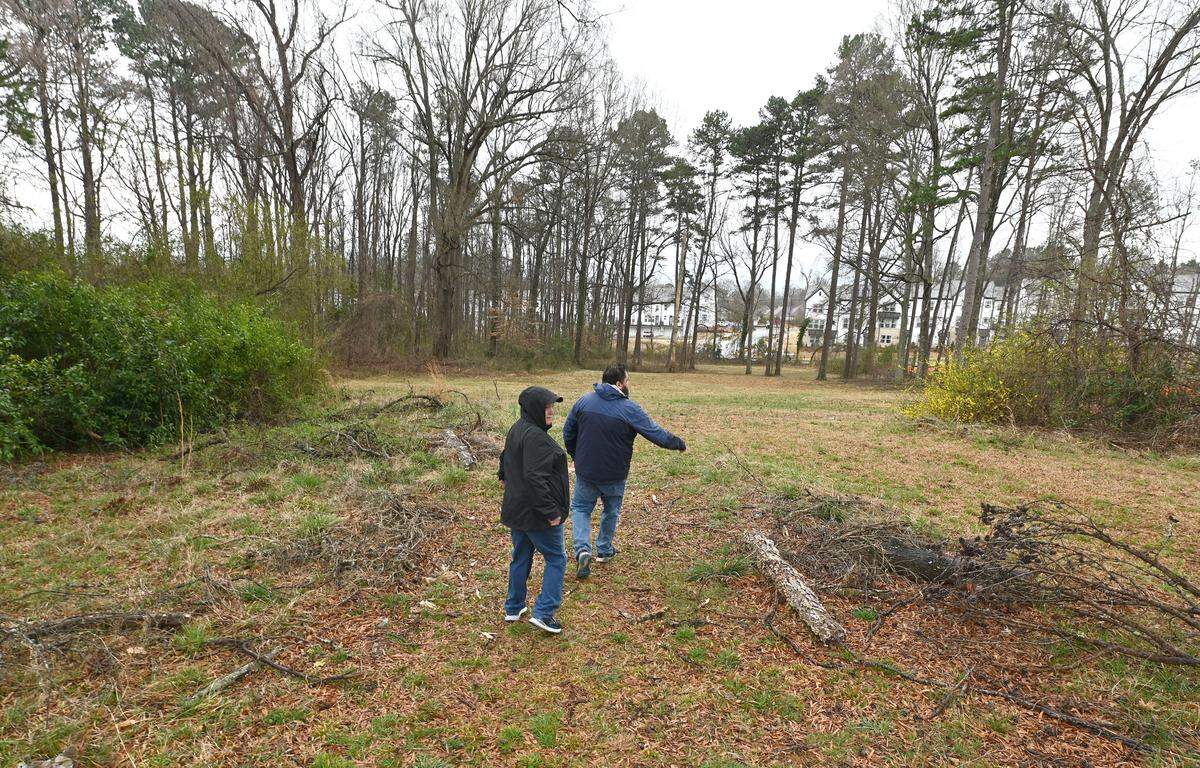
McDonald, a community advocate and member of the Derita Statesville Road Community Organization, said neighbors want more options. But to obtain them will require drastic change, something McDonald says she supports.
“I don’t think stagnation and things staying the same is necessarily a good thing,” she said. “Because even if everything stays the same, we change and our needs change.”
Two shopping centers are located in the heart of Derita, at the corner of W. Sugar Creek and Mallard Creek roads. This block, she says, hasn’t changed in nearly 50 years. And their aging facades weren’t built to last forever, she said.
As she looks out toward Derita’s main intersections, she paints a picture of her dream vision for the neighborhood.
It would have a similar feel to N. Davidson and 36th street in the heart of NoDa, she shared. There, businesses are close to the street and the infrastructure encourages residents to walk and explore their neighborhood.
Derita has the bones to become a community like that, she says. In her perfect vision, the community is full of less traffic and more people.
“When I drive around, I do want to see a change,” she said. “I don’t want to see cars and litter. I want to see a better sense of pride in the community.”
Third Places
For that vision to come to life, it would require development that is not just homes and apartments, residents say. Derita will need a higher supply of what it lacks — something Margolis calls ”third places.”
They are spaces for neighbors to come together outside of their homes and work. It can be a coffee shop, retail stores, places like the YMCA or greenspaces.
“A place that you can go that accommodates connection and community just by design,” says Margolis, a Derita resident since 2011. “Because you go there, you sit down, you have opportunities to meet and talk to people and have a social life.”
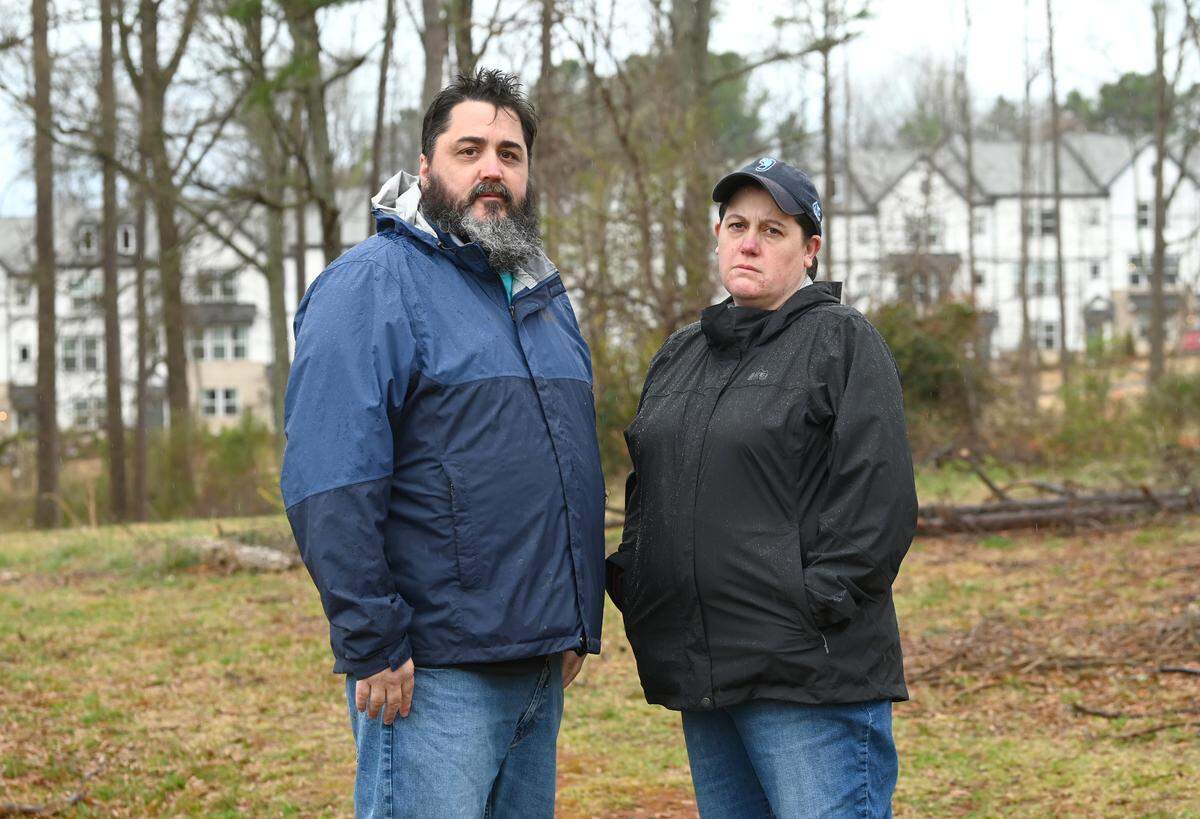
Margolis has been so passionate about this idea that he has started a community organization called Derita Third Place. He hopes the group will engage the community in advocating for these spaces.
One place Margolis is advocating to be made into a third place is a 1.4-acre parcel at 5334 University City Blvd. The lot sits right behind a brand new townhome development on Derita’s edge.
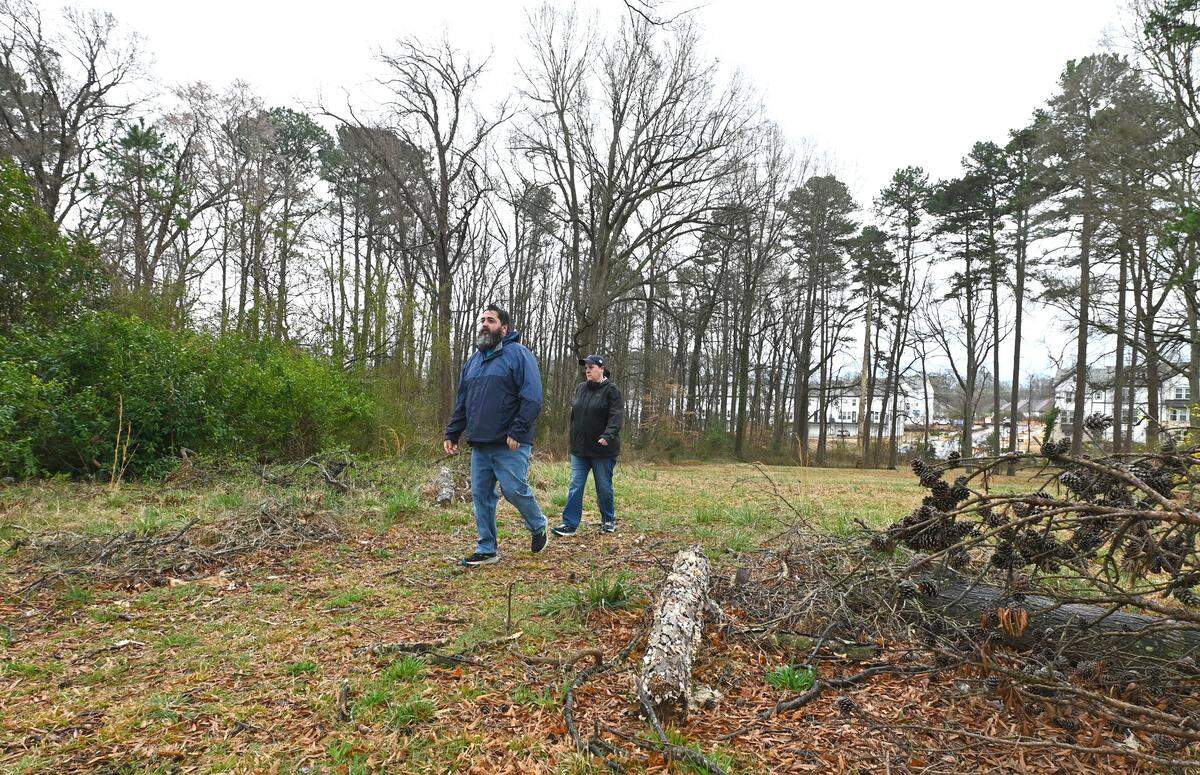
Margolis would rather see the parcel preserved as a green space or a park. On a rainy afternoon in March, Margolis stood on the parcel and considered the development around it. He recalls Charlotte’s goal to become a 10-minute city: areas where residents can access grocery stores, healthcare and parks within a 10-minute walk or bike ride.
“You have $400,000 homes there, $400,000 homes there, there’s probably going to be $400,000 homes here,” he said as he looked around the area. “Where are all of us going to be able to safely go in a city where they are prioritizing a 10-minute city?”
The City of Charlotte’s planning department plans to visit the site this month, he said.
A neighborhood split
Marion McMahon supports growth in her community. She was among those community voices used to help create the Corridor of Opportunity draft playbook for the West Sugar Creek corridor — which includes Derita.
From her vantage point, growth and a more densely populated area is the key to securing many of the things she and her neighbors wanted.
“We can’t get the retail we want. We can’t get the other amenities we want. We can’t get the transportation improvements we want, unless we have density, unless we have the tax base willing to support it.” she said.
McMahon says she’s still not convinced.
Part of her concern stems from Derita being split among three City Council Districts – 1, 2 and 4. These districts are represented by Mayor Pro-Tem Dante Anderson, council member Malcom Graham and council member Renee Perkins Johnson.
With this type of divide, McMahon worries that it prevents a clear, unified vision for her community to be realized.
“Being in three different districts makes us kind of an after thought until we come to the table and or we come to them and say, ‘Hey, please pay attention. ’ ” she said.
Meanwhile, McDonald says the split can be an advantage because Derita has three city council members who can lobby on their behalf.
But she also recognizes potential concerns.
“The other side of the coin is that we’re not a central focus or a very important constituency for any one of those council members,” she said.
Mayor Pro-Tem Dante Anderson said neighborhoods split among districts isn’t uncommon. Many neighborhoods like Hampshire Hills on the east side have more than one city representative. In these scenarios, she stressed the importance of council members working together.
“If there’s rezoning petitions or any neighborhood concerns ... we have to collaborate and discuss what’s going on.” she said. “And figure out who’s going to lead or if we’re going to (all) be in lock step.”
Graham said he understands the concern of not having a clear line of authority, but said he and his fellow council members work together to represent Derita.
“The political lines are lines on the map,” he said.
Perkins Johnson could not be reached for comment.
Anderson added, given Derita’s well organized efforts, the community is in a good position and alignment with city goals to make their vision come to life.
While the city can influence development, its power is limited, says Professor Ming Chun-Lee, the graduate program director in Urban Planning at UNC Charlotte. The city has laid some of the framework for commercial and retail development in Derita already, he said.
Along with its Corridors of Opportunity designation, Derita has sections marked for commercial development on the Charlotte Future 2040 map, a companion to the city’s comprehensive plan.
Ultimately, Chun-Lee said, private developers have to make the choice to invest in certain areas.
“At the end of the day, they look at their numbers, and think about if there is a return of investment,” he said of developers. “Perhaps they just don’t see markets there to put commercials around their area.”
Graham said since his earliest days on council in 1999 to now, Derita has stayed relatively the same. While he can’t predict the future, he’s seen systems like the proposed Red Line -- which will have a stop in the community -- spur economic development.
But McMahon worries that the city and developers are waiting for the proposed Red Line, which came under city ownership last year, before making major steps to invest.
“There are people, you know, hedging their bets, hoping the Red Line comes through,” she said. “I will be blunt with you, I don’t think the Red Line is happening,”
With more residential developers attracted to Derita, McMahon wants to see her community rewarded for the growth it is accommodating.
“If we can see good things from this, I still think it’s worth it,” she said.
This story was originally published March 20, 2025 at 5:00 AM.