
Expect detours, closures as crews revamp a Charlotte-area I-77 interchange this week
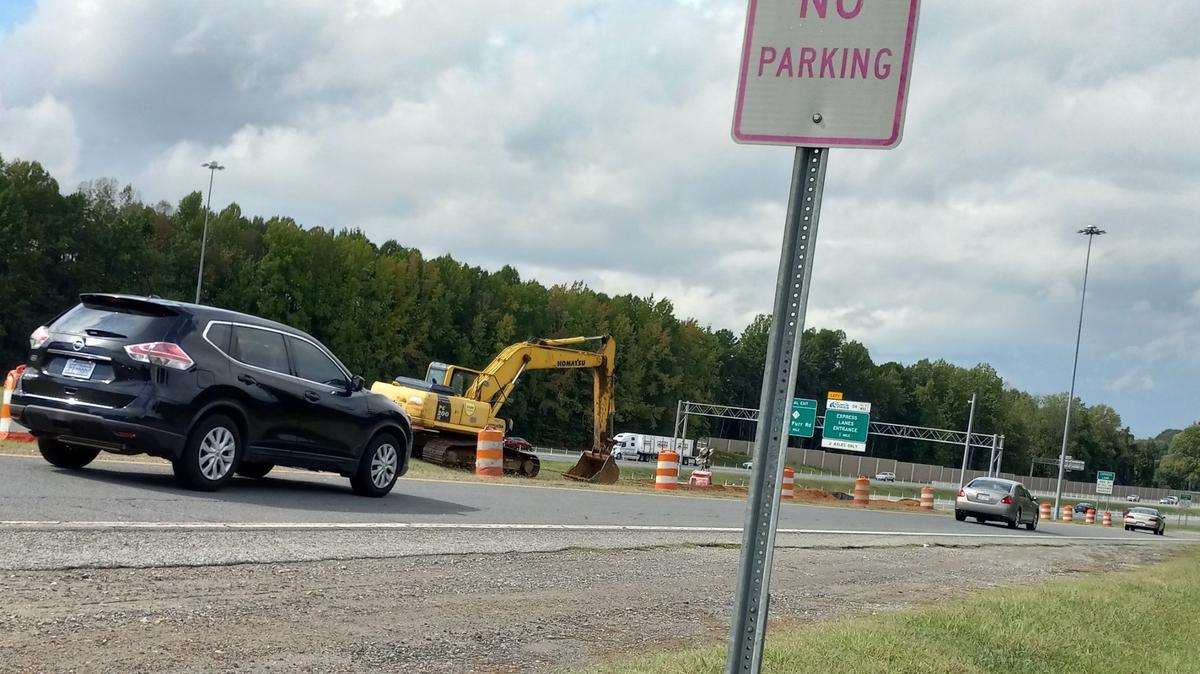
The road on a bridge at a major Charlotte-area Interstate 77 interchange will close this weekend for work on a safer layout to reduce gridlock and wrecks.
Crews are scheduled to close Gilead Road at Exit 23 beginning at 10 p.m. Friday to add the last layer of asphalt to the road for the $30.8 million project.
Police will help control traffic, and message boards will alert drivers to the work, according to the N.C. Department of Transportation.
The road should reopen by 6 a.m. Monday, May 5, highway officials said.
Gilead Road is getting a diverging diamond traffic pattern at the exit, similar to those at I-77 exit 28 in Cornelius, I-485 at Mallard Creek Road in Charlotte and I-85 at Poplar Tent Road and N.C. 73 in the Huntersville and Concord areas, highway officials said.
The exit leads to downtown Huntersville to the east and to Novant Health Huntersville Medical Center, The Park-Huntersville and many restaurants and other retailers to the west.
During the closure, drivers west of I-77 should take I-77 South to Harris Boulevard, cross the bridge and take I-77 North back to Gilead Road. Drivers east of I-77 should take I-77 North to N.C. 73, cross the bridge and return south on I-77 to get back to Gilead Road.
The contractor has until September to finish the project, “but we think the contractor could get it done sooner if we have a good stretch of weather,” NCDOT spokeswoman Jen Goodwin told The Charlotte Observer.
After the weekend closure, the contractor needs to complete the remaining concrete islands, finish widening the road and add final striping, Goodwin said in an email.
How diverging diamond interchanges work
Traffic flows better with the diverging diamond design because drivers no longer stack up at lights where the highway exit ramps meet the main road, highway officials said.
Drivers on the main road no longer have to stop at lights before heading onto the interstate. Such bridges still have traffic lights, but they’re moved elsewhere on the span to reduce congestion.