NC pastors become information network as concern grows about ICE arrests
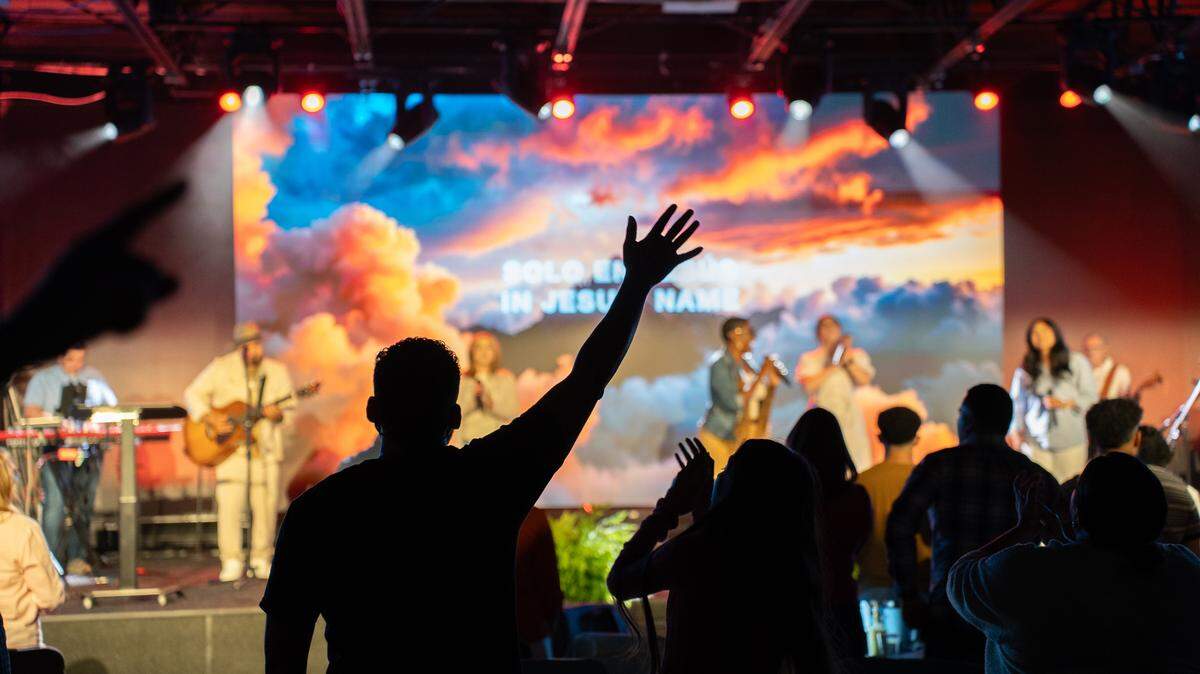
Local groups serving Latino and immigrant communities are being forced to rethink how they share information as Immigration and Customs Enforcement ramps up its presence in Charlotte.
Seminars about legal rights and immigration policy can sometimes be too risky, advocates say, drawing unwanted attention to undocumented attendees. So, organizations such as Camino are turning to a more discreet and familiar network: faith leaders.
“If we gather all of these people in one spot, does that put a target on their back? Does that give law enforcement or anyone a specific area to come to?” said Paola Garcia, communications director at Camino. “Churches are good places for resources that the government may not give to the Latino community due to documentation status. The church is a place where Latinos or any person can feel safe and they don’t ask those questions.”
Camino is a community center, health clinic and church that serves Charlotte’s Latino population, including many undocumented people. Since January, when President Donald Trump took office, the number of patients coming in for services such as dental cleanings and check-ups has declined dramatically, Garcia said. But the number of people attending church services has skyrocketed.
The organization conducted a strengths and needs assessment of the Latino community and found that people overwhelmingly said they turn to church and faith in times of need — even before family, friends or the government, Garcia said. And in five years, Camino has created a network of over 800 pastors in North Carolina who all work together to inform, uplift and empower the state’s Latino community, she said.
“We know Latinos want to come to this country to make good, to help this country and to make a good living. When they need someone to turn to in times of need, they go to their pastors,” Garcia said. “That’s why we decided it was important for us to create the pastors network, because we know that they are the backbone of the communities.”
Camino uses its network to coordinate answers to people’s questions about ICE, immigration and what their status means. Camino also plans to partner with a law firm dedicated to exclusively offering legal aid to immigrants, Garcia said.
That decentralized approach doesn’t mean abandoning meetings altogether. Camino hosted a virtual seminar about immigration that was encrypted and private, using the pastors network to send the link to people who needed it, she said. The services are necessary at a time when there is uncertainty and fear for many immigrants, Garcia said. Recent events, including ICE presence at a Charlotte church and magnet school and the termination of Temporary Protected Status for some Venezuelan immigrants, have put people on edge.
Immigration events
Amittay Rodriguez, director of the pastor network, said faith leaders can offer another form of comfort to people who are afraid of deportation or losing their status – prayer. Through a WhatsApp group, people can send prayer requests or ask for spiritual guidance.
“We’re asking the community, instead of being fearful, be faithful,” Rodriguez said.
For Carolina Migrant Network, a Charlotte group that offers free legal help to immigrants in removal proceedings, deciding when and how to hold seminars changed since January, said co-founder Stefanía Arteaga. In May, calls to the group’s hotline for reporting detentions or perceived detentions in Mecklenburg County surged by 4,333% compared to the same month last year, she said.
While the group continues to hold in-person events, it decided to hold a virtual session in May after seeing increased ICE activity in North Carolina.
On June 26, the group will host an in-person “power of attorney” event where people can speak to an attorney about their assets, their bank accounts, their children and more in order to prepare for potential detention or deportation.
While there are risks to consider when holding these seminars, Arteaga said getting people together in person and building community is important at a time when people may feel isolated.
“Your neighbors are the people that are closest to you in the case of a tragedy, and so what we want to do is build ties with them and strengthen those relationships,” she said.
ICE at a Charlotte church
But the fear isn’t confined to community centers or legal seminars. It’s reaching churches.
Last month, ICE agents staged an operation at Central United Methodist Church in east Charlotte at a time when preschool students were being picked up. Though no one was detained, Jennifer Copeland, executive director of The North Carolina Council Of Churches, said the incident scared people.
“It wasn’t just in that place that fear was instilled, but sacred places all across North Carolina now worry, ‘Can that happen to us? Will they do that here in our space?’ The chilling effect is, well, downright chilling. We can feel it in our bones,” she said at a news conference in May. “The places where people come to worship, pray, study and live out the tenets of their faith should be unavailable for this kind of posturing.”
Copeland said the incident will not stop churches in the network from welcoming immigrants with open arms, regardless of their status. She said it is not immigrants who are dangerous. Instead, it’s ICE agents who disregard human rights, constitutional rights and due process, she said.
“We don’t card at the door, so regardless of your immigration status, you can come here seeking peace,” Copeland said. “The North Carolina Council of Churches and all of our 19 denominational members remain steadfast in our call to protect the integrity of these spaces and the dignity of every single person who walks through those doors.”
This story was originally published June 9, 2025 at 5:00 AM.