
Without full funding, plans for long-awaited west Charlotte grocery stall
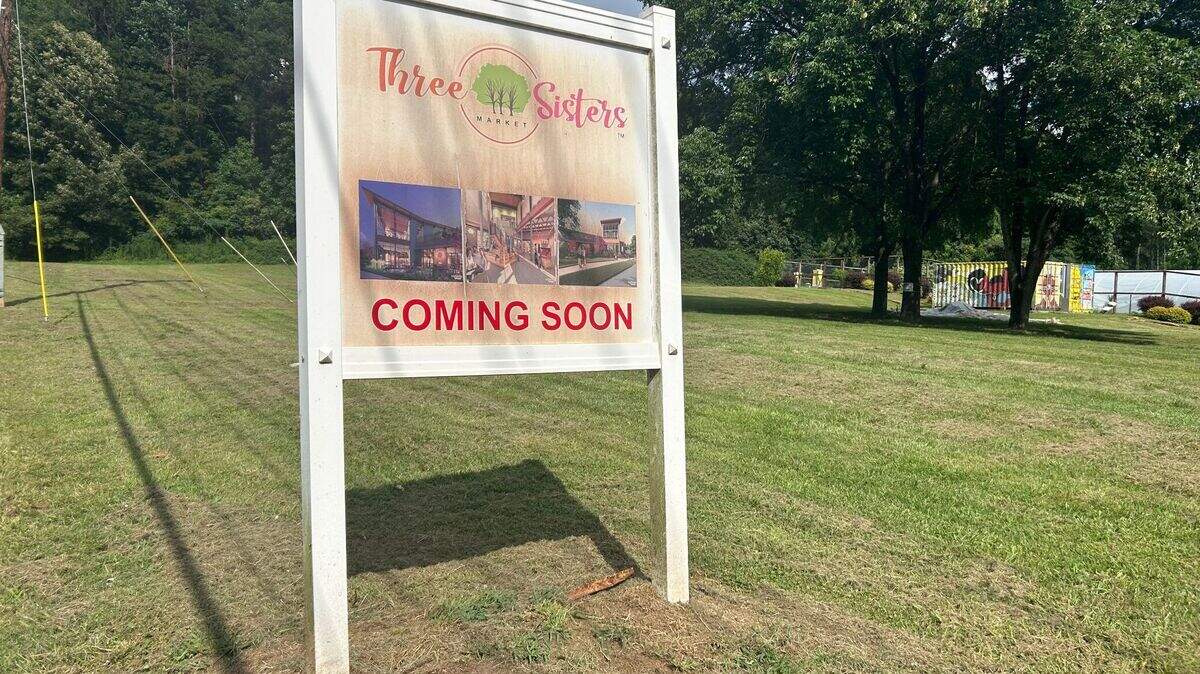
Work on Three Sisters Market, a local initiative to bring a grocery store to Charlotte’s West Boulevard corridor for the first time in three decades, has stalled as backers work to secure additional funding, its executive director said.
The project was initially set to be completed last month. But since the West Boulevard Neighborhood Coalition announced the initiative in 2023, the organization has raised only a third of the funds needed to make the project a reality. The coalition had secured about $5 million in government contributions when it announced the project, but has raised little since then.
Three Sisters Market received $3 million from Mecklenburg County, $1.5 million from the City of Charlotte, $750,000 from Congresswoman Alma Adams and a few small grants and member donations bringing the total to about $5,850,000. But to have the co-op fully built, stocked and operational, they’ll need a total of $15 million, Elliott Royal, interim executive director of the West Boulevard Neighborhood Coalition, said.
The coalition’s leadership has had up to 25 conversations with potential funders since February, Royal said.
Unlike a traditional grocery store, the planned co-op is less focused on profit and more intentional on meeting community needs and providing access to fresh foods, Royal said. But one of the main challenges in some conversations with potential funders is getting them to focus on the community’s needs more than potential profit.
“Are they able to see the people?” she asked. “… We’re doing something unconventional and doing something that none of us have done before.”
At the corner of West Boulevard and Romare Bearden Drive, the majority of a 3.5-acre lot sits empty. A “Coming Soon” sign with renderings of the building sits on the corner. The community is eager to see the store come to fruition, Royal said. She hopes residents are understanding of organizers’ desire to not only fundraise, but to do so intentionally.
“The intentionality in capital raising in this is so that we still keep control of it,” Royal said. “If we are willing to let someone come in (and) invest, (and) be willing to sign over more, your store could be here tomorrow,” she said of the co-op project. “But then what makes that different from any other experience?”
No grocery stores around
After the West Boulevard corridor went decades without a grocery store, the City of Charlotte commissioned a market study of the area in 2019. The study found that the corridor did not have the population density or household spending power to support a commercial grocery store.
Instead, the study suggested a co-operative store. Under this model, the store could focus on providing locally sourced foods and affordable prices. Three Sisters Market plans to implement a member-owner model, allowing the community to be stakeholders in the store’s growth.
The coalition was also approved for a $5 million loan from the Reinvestment Fund, a national, mission-driven nonprofit based in Philadelphia. But the coalition doesn’t have the money on hand yet to feel comfortable committing to paying it back.
Royal says grants for construction costs are hard to come by. And when they are available, they usually come with national competition. Community members have approached the coalition about making a contribution to the store through an investment, Royal said, but they’ve been hesitant to accept those offers.
“That means you’re going to be expecting something back once we’re profitable,” she said of investments. “And that doesn’t make us any different than other retailers, right? But people are less happy to just do a $10,000 donation. We have a lot of people in Charlotte. We have a lot of money in Charlotte from these corporations, and then that money also trickles down to some of these residents. So how do we ensure that we have the right support?”
A deserving community
As Charlotte grows, so does food insecurity in the city, Nourish UP CEO Tina Postel said.
Last year, Nourish Up fed more people than it ever has in its 50 year history – providing groceries to 164,000 people. That’s enough to fill Bank of America Stadium more than twice.
Her organization has great partnerships with the major grocery retailers in the area, but acknowledges that these corporations aren’t putting stores in every community because not all would be lucrative investments.
“This term ‘food deserts’ we actually hesitate from using it because deserts are something that occur naturally in an environment,” she said. “Food deserts don’t occur naturally. They are structurally made. They are created.”
In the West Boulevard corridor, life in a food desert looks like trips to Family Dollar, Nick’s Gryos and Seafood for something quick, or inconvenient trips to the Walmart on Wilkinson Boulevard, Royal said.
Time is of the essence to build a store tailored to the needs of the community, Royal said. In a growing city like Charlotte, grocery stores are looking to find places to put new stores. But with that comes neighborhood change. Amid Charlotte’s growth, the West Boulevard corridor has been able to maintain its predominantly Black population.
As the organization continues fundraising efforts, Royal hopes to see the organization’s dream of a community-owned store come to life.
“This community has practiced an amazing amount of resilience over the years. I just really think that it’d be great for them to give this community a chance to have the same amenities and assets as others.”
This story was originally published July 7, 2025 at 5:05 AM.