With NAACP in Charlotte, many want to see it embrace ‘the fierce urgency of now’
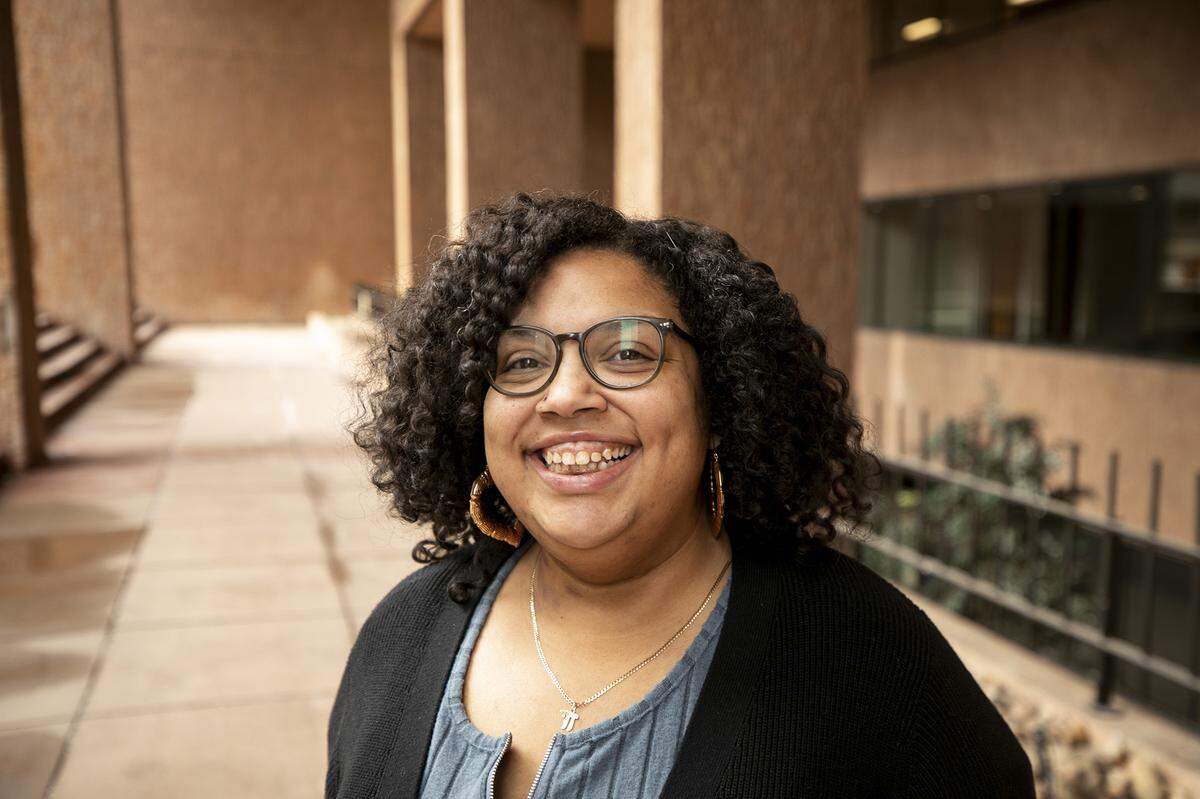
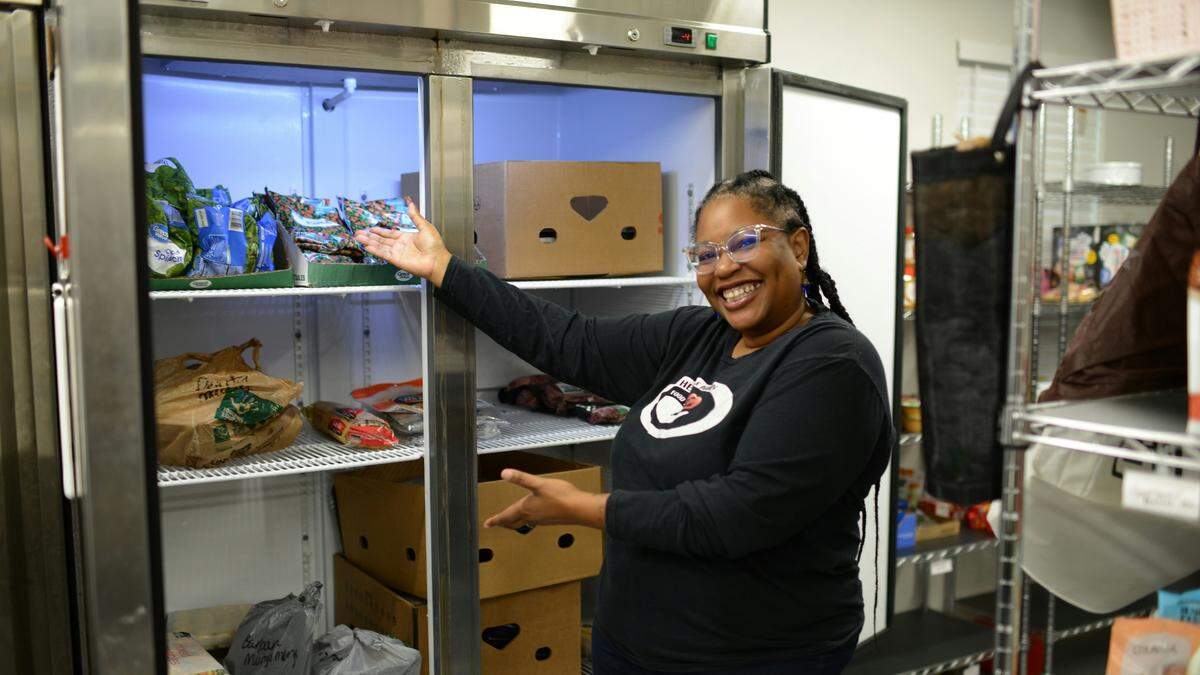
Kenya Joseph didn’t know the NAACP’s national convention was being held in Charlotte this year. The co-founder of Hearts & Hands Food Pantry and the board chair of the Mecklenburg County Food Policy Council admits she isn’t too tapped into the organization’s event schedules.
But she soon found out when the NAACP reached out and requested she be a speaker at the convention. Joseph agreed, especially when she learned the convention’s theme would be “The Fierce Urgency of Now.”
That sentiment resonated with Joseph, given the onslaught of policy changes President Donald Trump’s administration has made, which critics say adversely affect Black and brown communities, especially the communities she serves. Joseph’s been waiting to see who would step up with her to fight these changes.
“I thought ‘finally.’ This needs to happen because at the very least the same energy y’all had for Black Lives Matter and George Floyd, you need to have it now because the people that are going to be disproportionately affected by these policy changes are us,” Joseph said. “This is an entree into having those big conversations … and potentially the kickoff of (the NAACP) stepping up a whole campaign that is really needed.”
The NAACP kicks off its 116th national convention at the Charlotte Convention Center beginning Saturday. Its theme evokes a call to action and conference organizers hope it will be a place where the organization can learn new ways to be an influential national voice in the face of Trump’s actions.
They also expect to continue to showcase the group’s legacy. In both turbulent and tranquil times, the NAACP has influenced policy changes like Brown vs. the Board of Education and being a steward of information, whether that be through voter outreach or providing forms for people to reach out to their local representatives.
But the “finally” feeling Joseph expressed emerges every now and then when it comes to the NAACP taking a stance on events or policies that impact Black and brown people. The same goes for the recurring question of whether the organization is still relevant or impactful.
Joseph doesn’t deny that the NAACP has worked and is continuing to work toward its goal of advancing racial and social justice.
But is it still a force to be reckoned with? Is the organization reaching the audience it set out to help? Can the NAACP be the “tip of the spear” of change? Joseph wonders.
Karen Boykin-Towns, the vice chair of the NAACP National Board of Directors, would say yes, especially as the organization continues to “modernize” its approach toward equality.
“The relevancy argument or question, I don’t believe we fight that anymore,” Boykin-Towns said. “We like to say this is not your grandmother’s NAACP. … There’s new tools that we have now that we didn’t have before.”
“It’s our job at the national level to ensure that people have the tools and the resources to be the best advocates that they can be in their communities.”
The ebbs and flows of the NAACP
While the issue of racial equality may still be relevant, some things have changed since 1909 when the NAACP was born.
And some of those changes were because of the organization.
From anti-lynching bills, to the Civil Rights Acts, desegregation of schools, the Voting Rights Act and the Fair Housing Act, the NAACP has had a hand in major change.
“This organization has always been the voice of reason,” said The Reverend Corine Mack, president of the NAACP’s Charlotte branch. “This organization is the organization that created all of the policy changes that we’re all living in today… It was this organization that was on the front line of that struggle to create the real change that was needed to ensure that we all have rights.”
But from the very beginning, the organization faced criticism because of its advocacy methods and speed.
Civil Rights leader and Black Nationalist Marcus Garvey was consistently critical of the organization and its cofounder W.E.B Du Bois, believing the organization to be slow in creating change. Decades later, Malcolm X took issue with the organization’s strategies for change.
When then President Barack Obama took office in 2009, the year the NAACP turned 100, an episode of NPR’s Talk of the Nation centered on the organization’s relevancy, especially with a Black man in the Oval Office.
When the Black Lives Matter movement gained momentum in the late 2010s, comparisons between the two organizations questioned whether the NAACP was reaching younger voices and if it could return to its grassroots advocacy.
Those two points remain a question for Joseph -- one she’d like to see addressed at the convention.
“This is a really big opportunity to go back to the grassroots energy that created the NAACP and flow that up to the highest levels that you already can access and reach,” Joseph said. “This is an opportunity for them to kick off something new and big. Bring in younger folks and really start to develop that talent.”
The NAACP “has certain seats at the table at the highest levels that local advocates don’t have and may never have… Galvanize the black diaspora… Make yourself the organization of the people.”
In other words, get with the times.
The modernization of the NAACP
The NAACP isn’t new to reinventing itself. It’s part of the reason the organization has been around for over a century.
“Advocacy doesn’t always look the same … but (the NAACP) continues to shape and form and shift when needed to be able to advocate on behalf of Black people,” said Gerard Littlejohn, founder of the video production company Creators Collab.
Take for example the panel that Littlejohn is speaking on at the convention. “Be in the Biz” is an outreach program that connects creatives to Hollywood. It’s an all-day symposium but also a new take on creating access for Black and brown people.
“Twenty years ago was the NAACP having panel discussions around content creation? No, but that’s also because that wasn’t a thing 20 years ago,” Littlejohn said. “That’s part of the NAACP’s DNA. They evolve with the times.”
Evolving now also includes social media and the convention’s speaker list is filled with influencers like George “Conscious” Lee Jr., Tony Neville and Lynae Vanee.
TikTok and Instagram are some of the main ways people get their news, Boykin-Towns said. So embracing influencers and working on the organization’s social media presence are just a few ways the NAACP is changing the way it shares information.
“I think that NAACP is on the forefront for being in the driver’s seat when it comes to disseminating information across a wide range of spectrums,” Littlejohn said.
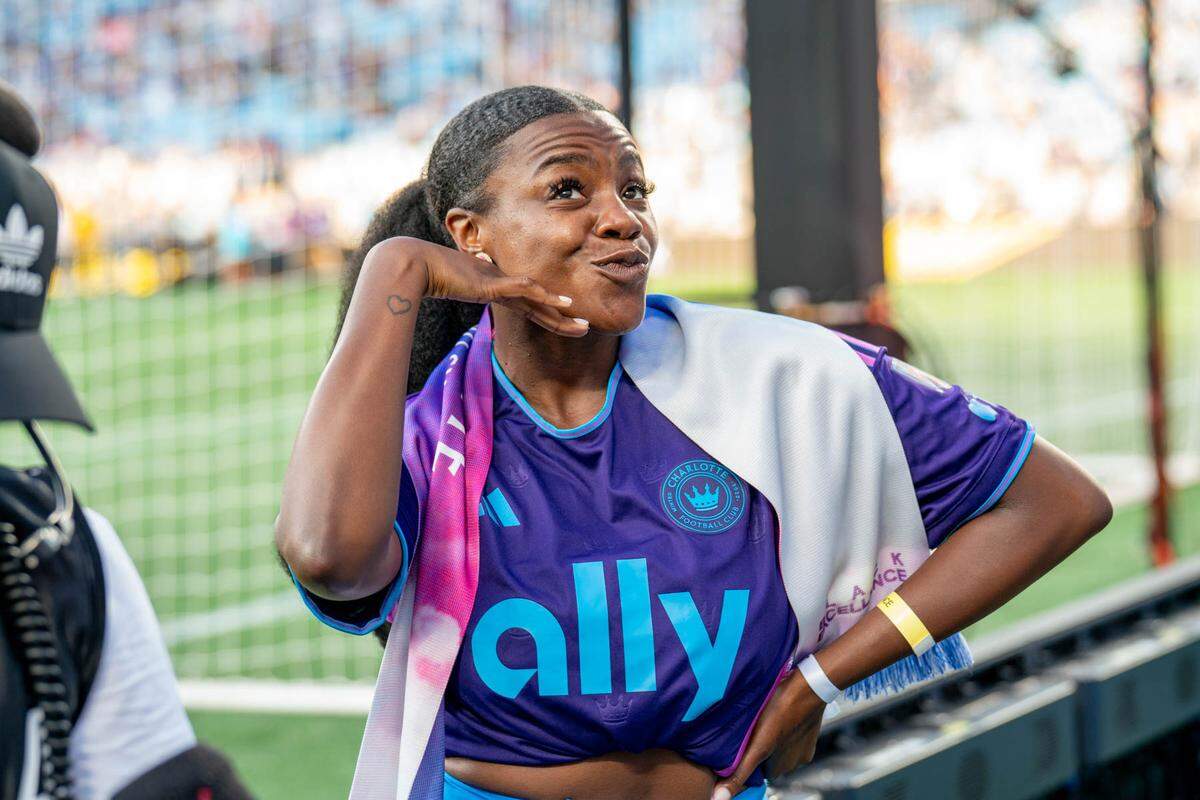
Ohavia Phillips-Reed, the in-arena host for the Charlotte Hornets, agrees, especially when it comes to reaching a younger audience. She’ll be an emcee at the convention and a panel moderator at “Be in the Biz.”
“When young people don’t know the rooms or doors they’re able to open and enter into, when they don’t know what they don’t know, that’s when it’s time for organizations like the NAACP to say, hey, not only are you welcome here, but we want those ideas,” Phillips-Reed said.
The NAACP is creating those rooms through its youth councils. The organization’s board also includes youth representation with seven elected officials under the age of 25, many in college.
The only way for the NAACP to continue to exist is by fostering youth leadership and listening to what they have to offer, Boykin-Towns said.
“I believe that young people want to be at the table, but not as window dressing,” Boykin-Towns said. “We know that if we are going to make it through this season like all the other seasons … we have to work with our young folk because they can help infuse new strategies that will help reach their people. Their people are going to listen to them before they listen to me. So it’s important that their voices are centered.”
What’s next for the NAACP?
The convention’s official theme is “The Fierce Urgency of Now,” a phrase from from Dr. Martin Luther King Jr.’s speech during the March on Washington in 1963 where he proclaimed that the present is the time to act and move towards racial justice.
But the convention’s unofficial theme seems to be empowerment.
“I want people to walk away feeling empowered despite the times that we are in,” Boykin-Towns said. “A lot of people are feeling powerless. … Once the people understand they have the power, then we can be even more engaged, involved and push back because we can’t be silenced.”
That empowerment shows up in different ways, Boykin-Towns added. It’s empowerment through information, access and encouragement.
There’s also empowerment through being in community. The convention runs from July 12 through the 16th, providing ample opportunities for learning but also for feeling joy.
“This is going to be a week of love. A week of laughter. A week of unification. A week of elevation and education,” said Rev. Mack. “All the things that we’re going to need in order to gain first knowledge and then power.”
Folks are going to need a bit of joy before getting back to the issues stemming from the Trump administration, Boykin-Towns said.
At the convention, the organization will be leaning on participants to guide the NAACP’s path in its fight against the president and his proposed and enacted policies.
In March, the NAACP along with other advocacy groups filed a lawsuit against the administration over Trump’s executive order to dismantle the Department of Education.
The NAACP also broke from convention tradition and did not invite the president to the event.
Now, the organization is honing in on Trump’s tax break and spending cut bill dubbed the “One Big Beautiful Bill Act.” Prior to the bill’s passage, the NAACP was hosting webinars on what the bill entailed and providing contact forms for folks to reach out to their representatives.
But the bill passed and it’s complicated. The main concern is the $1.2 trillion funding cut to Medicaid and food assistance programs. It’s a change that would adversely affect the community Joseph serves. It’s why she’s so vehement on questioning the NAACP and how the organization will step up.
“While we were not successful in terms of the bill not passing, we were successful in getting people to understand the impact of the bill,” Boykin-Towns said. “Now we have to help them understand that mid-term elections are a year away … and elections have consequences. … There’s an opportunity to try and get back some of the power that allows us to put up an even greater fight.”
And that’s what Joseph wants in the end. More effort, more outreach and more people at the table.
“I’m hoping that the (convention) empowers people to ask what can I do in my little corner of the world,” Joseph said. “In order to fix and properly change the things that we’re now collectively facing, it’s going to require everybody in some way. It’s going to require the small tents, the big tents, and everybody in between.”