‘We know the pain’: WNC Helene survivors guide Texans through flood devastation
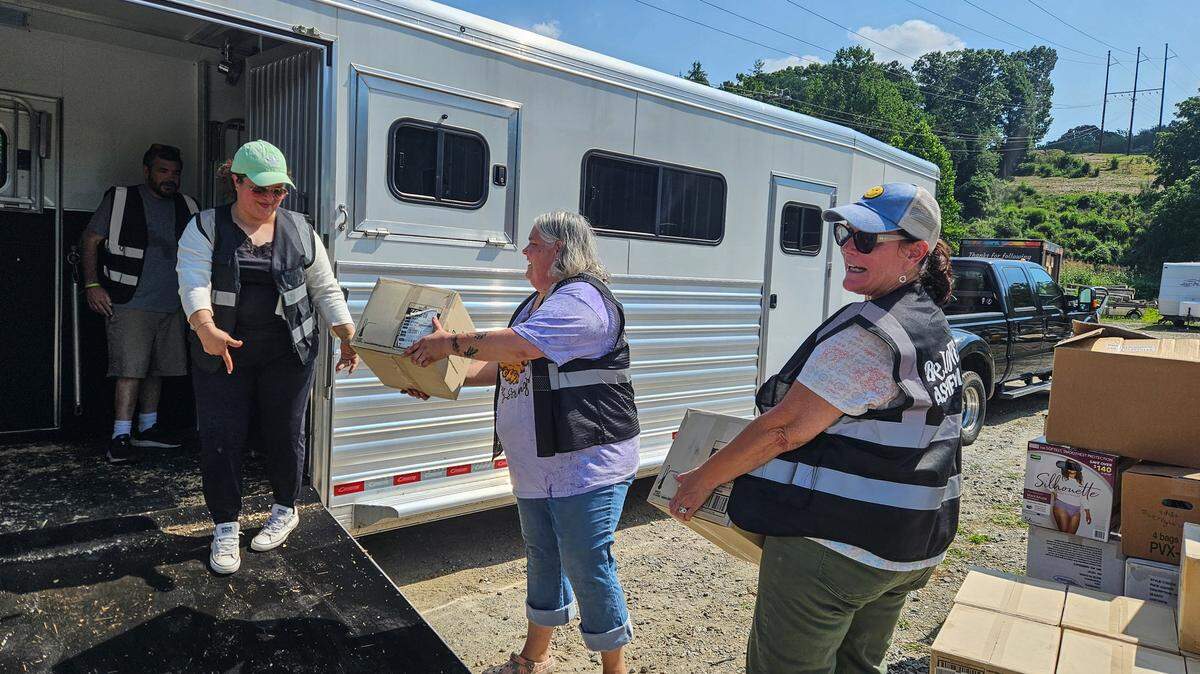
Nearly 10 months after Helene tore through Western North Carolina, survivors are heading south to guide Texans through a devastation they know all too well.
They’re traveling by helicopter and horseback, armed with the same gear that once carried them through mud and shielded their skin from toxic floodwaters. But their most valuable offerings, volunteers say, can’t be packed in crates.
“We know the pain and we already have the knowledge of what is needed,” said Ponkho Bermejo, co-director of BeLoved Asheville. “We used the destruction to connect.”
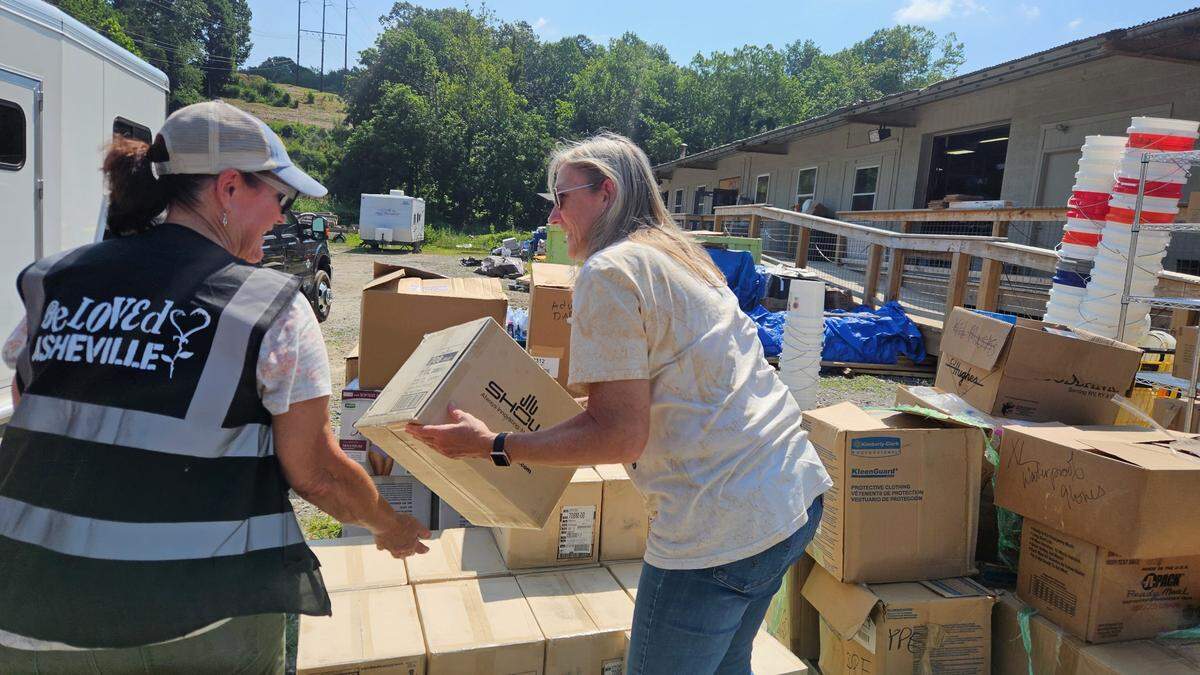
The nonprofit has deployed dozens of volunteers to Texas’ Hill Country, where more than 173 people remain missing and at least 120 have been confirmed dead after the Guadalupe River rapidly swelled beyond its banks on Friday. Each team travels with truckloads of supplies, bound for communities buried in mud.
BeLoved Asheville is part of North Carolina’s expanding network of humanitarian groups, many of which shifted their focus to disaster relief after Helene. Others emerged in the storm’s aftermath, founded by locals who discovered the power of community support only when their lives depended on it.
“After responding to the floods in Hurricane Helene, we knew we wanted to continue helping,” said Michele Toberer, who leads Mission Mule alongside her husband Mark, a veteran mule trainer who teaches military units how to utilize pack animals. “Little did we know the year would be so crazy and we would be needed in so many different states.”
When images of catastrophic flooding in Texas showed up on their social media feeds last weekend, the couple loaded five mules and a horse into a trailer and headed south. By Thursday, a Mission Mule team was still deep in the wreckage, hauling heavy equipment through debris and clearing paths for search crews.
For Mark, responding felt instinctive, like it had last year when the first reports of Helene lit up his television. He knew his animals could reach places vehicles couldn’t, and the months he spent hauling food, fuel, and medical supplies to stranded neighbors only made him more prepared for disasters like this.
“They’ve been put on a fast track for learning how to be equipped for this,” said Toberer, who lives in Harmony. “It’s not easy, but the overwhelming feeling is that they’re there to help and do whatever they can.”
Nonprofits fill federal gaps
Weeks before remnants of Tropical Storm Barry triggered flooding across Hill Country, President Donald Trump announced plans to phase out the Federal Emergency Management Agency, shifting more responsibility to states in the aftermath of climate disasters, according to the Associated Press. The statement followed months of efforts to overhaul or eliminate FEMA, an initiative the administration has supported since Trump took office.
But some volunteers say debates over federal aid feel far removed from the reality on the ground. In the first critical days after a disaster, said Toberer, survivors are often left waiting, even when assistance has already been approved.
Since Helene, Mission Mule has deployed teams to flood zones in West Virginia and Maryland and to tornado-damaged towns in Kentucky. Each mission, Toberer said, has revealed the delay between disaster and the arrival of federal aid. Nonprofits, she added, are uniquely equipped to meet immediate needs while government agencies plan for longer-term recovery.
“I don’t think we should replace the government and I don’t think they can do it without us,” said Toberer. “It’s important that these partnerships between the disaster relief companies and the government keep growing.”
Operation Helo takes off
Providing immediate relief is the driving force behind many local disaster groups, especially those led by people who’ve lived through devastation themselves. For Eric Robinson, a lifelong pilot from Waxhaw, that urgency fuels Operation Helo, a volunteer force of helicopter pilots ready to deploy at a moment’s notice.
When Robinson asked a few friends to fly aid into the mountains after Hurricane Helene, he expected five or six to show up. Instead, hundreds of pilots answered the call, logging thousands of missions to deliver supplies, conduct wellness checks, and assist with search efforts.
“We were just a bunch of rednecks out trying to make a difference,” said Robinson. “But since then, we’ve put a lot of standard operating procedures in place – and now we’re very strategic with how we do things.”
Three members of Operation Helo’s advanced team deployed from North Carolina to Texas last weekend, joining six local pilots from the group’s nationwide network. Together, they pulled survivors from the wreckage and airlifted first responders into areas only accessible from above.
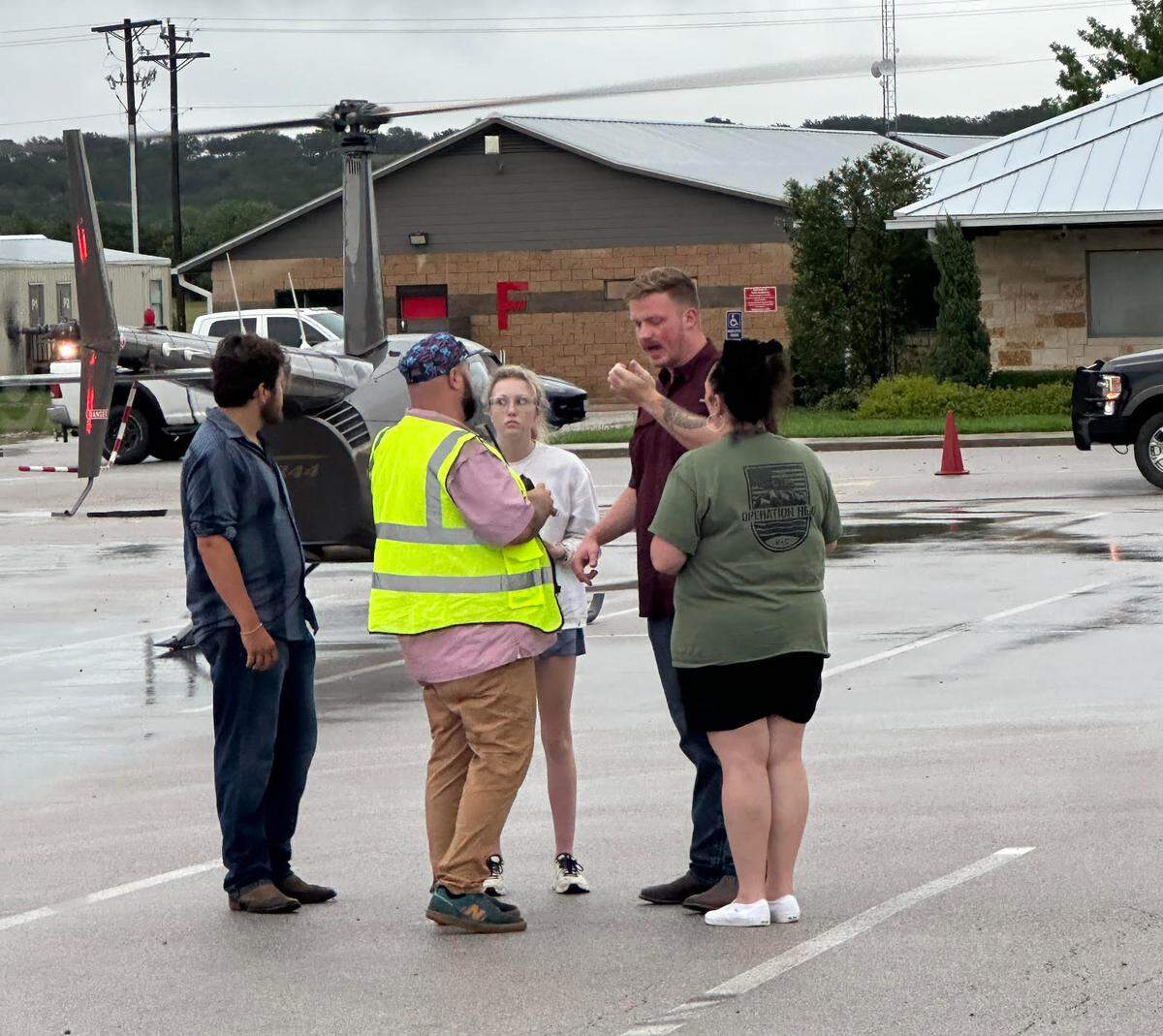
Robinson said the destruction was more concentrated than what his pilots saw in North Carolina last year, and each flight carried the added risk of navigating over rivers that were still rising. But the urgency to help, he said, was just as strong, and disasters have a way of dissolving lines that usually divide.
“In a situation like this, there’s no Black, there’s no white, there’s no Republican, there’s no Democrat,” he said. “We’re all just people trying to help each other.”
That help was felt by Carolinians last September, many of whom remember that volunteers from Texas were among the first to arrive after Helene. They treated survivors like neighbors, said Amy Cantrell, BeLoved Asheville’s other co-director.
“It really lifts your spirits when people come from that far away,” said Cantrell, who lives in Swannanoa. “It was important for us to share that love back that they poured out to us in those early days.”
Cantrell feels a familiar ache as she loads trucks with supplies, each box a reminder of the distress she felt last year. The sight of floodwaters in Texas resemble those that swept away her neighbors, and the desperation of survivors is something she remembers vividly.
But it’s those memories, she said, that reinforce the importance of community support. Disaster response offers survivors a chance to find meaning in their hardships, to turn their personal losses into collective relief.
“This is healing something in us, too,” said Bermejo. “It’s beauty in the middle of destruction.”
Editor’s note: This story was updated on July 14, 2025 to correct the last name of the Waxhaw helicopter pilot. He is Eric Robinson.
This story was originally published July 11, 2025 at 5:03 AM.