East Charlotte’s new capital: Is something better rising 50 years after Eastland?
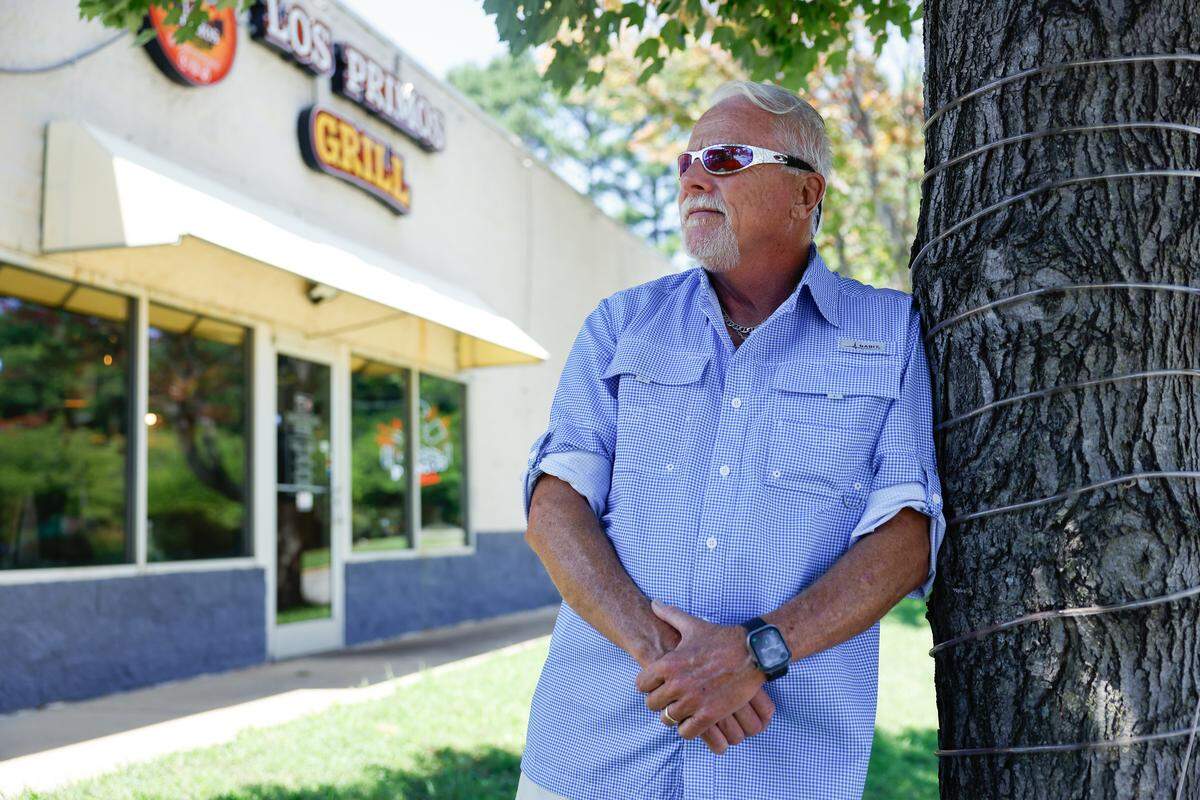
Barry Canter has seen a lot of change from his front yard.
When he moved to east Charlotte in the mid-1980s, Eastland Mall was still a relatively new beacon attracting young homeowners to the area. The neighbors were friendly. The streets were calm. He felt safe sending his kids to the mall under their older sister’s supervision.
Then the signs of struggle started creeping in. Big-name retailers pulled out, and crime picked up. Canter kept a closer watch on his kids.
“It got to a point where every night or two, you’d hear gunshots over there in the parking lot, and the city just didn’t do anything,” Canter said. “They just had this idea that it was just too big and too strong, and they just kept saying, ‘Oh, it’s going to be fine, it’s going to be fine,’ until it crumbled.”
Eastland Mall closed in 2010, dealing a decisive blow to residents who’d once relied on the site as an economic anchor. The city of Charlotte purchased the property in 2012 and demolished it a year later.
East Charlotte as Canter knew it was gone, and it never came back.
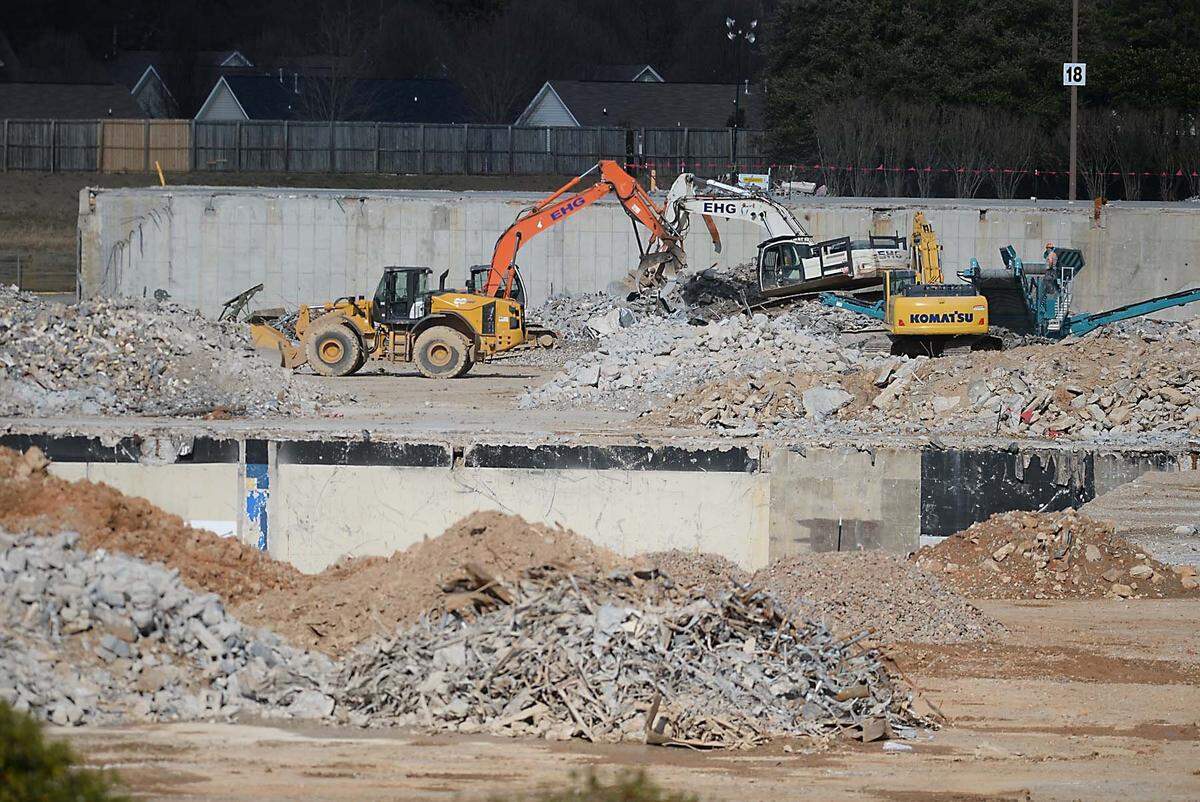
Neighbors have long complained the city hasn’t adequately invested in their side of town since Eastland’s heyday. After the building came down, developers teased proposal after proposal for how they could rejuvenate the mall site and, by extension, east Charlotte. More than a decade passed. Nothing materialized.
But from the ashes of Eastland Mall rose an entirely different east Charlotte notable for its diversity, multiculturalism and bustling small businesses.
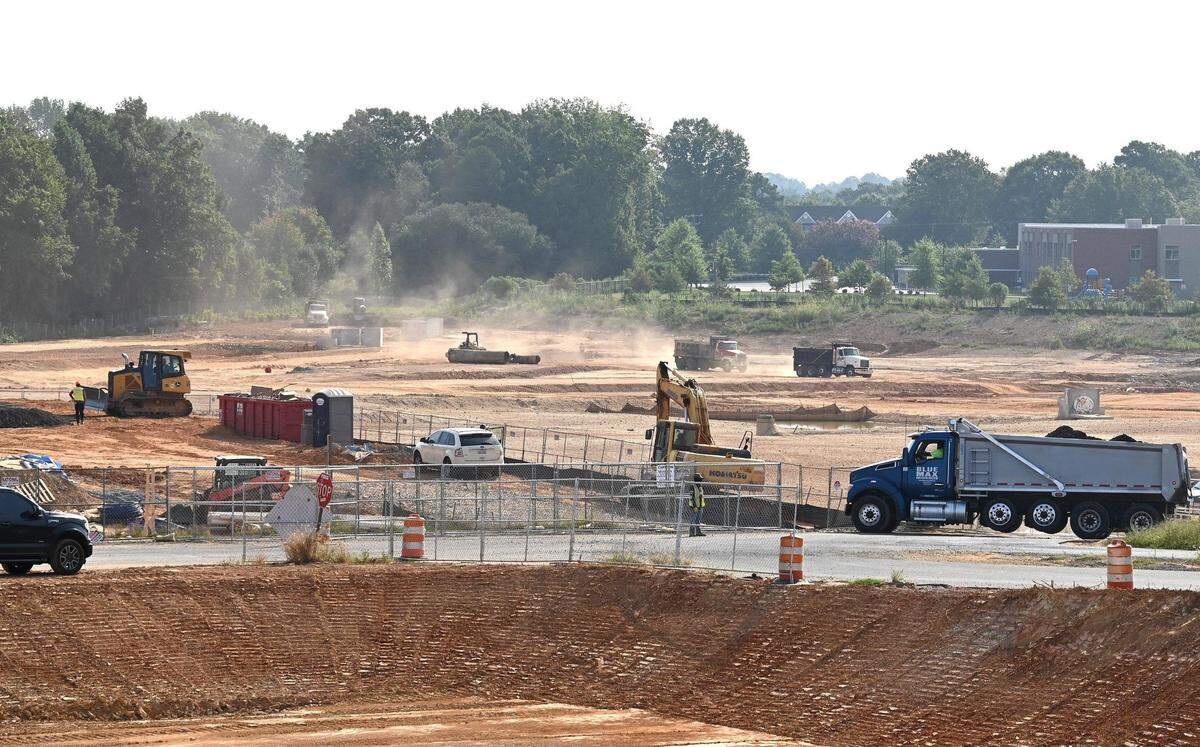
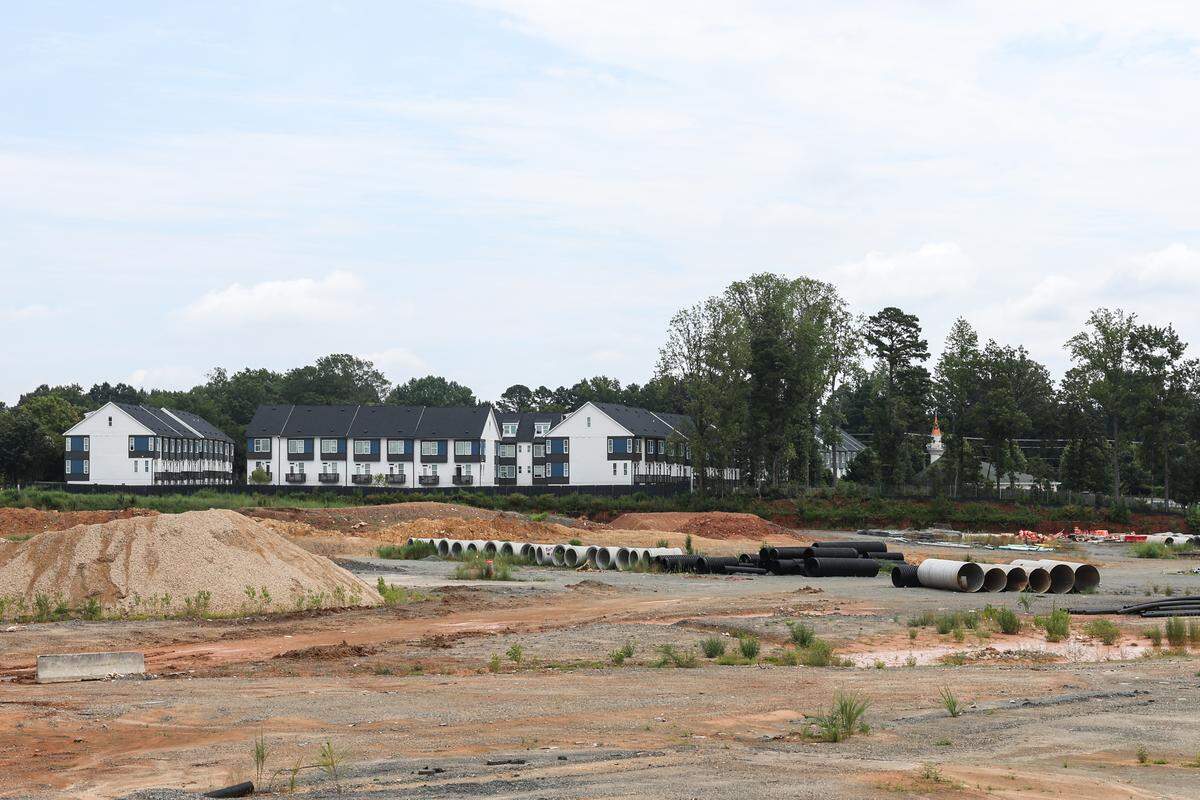
This month marks the 50th anniversary of Eastland’s grand opening. For the first time in 15 years, the former mall site is showing signs of renewed life after the Charlotte City Council approved final plans for the 80-acre site that are beginning to bear fruit. Mixed-use housing and retail buildings, soccer fields and a massive sports complex are in development as part of the city’s Eastland Yards project. Eastland Yards will open in phases, and the final round of construction won’t wrap for another couple of years.
Residents say the challenge ahead will be cultivating continued development that preserves the community’s diversity, and healing the raw mistrust that resulted from years of dashed expectations.
“Seeing’s believing,” Canter said.
The rise and fall of Eastland Mall
Suburbia had only recently sprawled onto the farmlands of east Charlotte by 1975, the year Eastland Mall opened.
Thousands of malls sprang up across the country during the 20th century, but Eastland was something of a novelty to most Charlotteans. It housed the first food court on the East Coast. Multiple floors of name-brand stores. An ice skating rink.
Those amenities established east Charlotte as a family-friendly place where parents could put down roots, kids could explore without trepidation and people of all ages could find a job. The mall was the area’s first — and, some argue, only — economic anchor.
“It was so totally magical,” said longtime resident Kathy Buckley, whose childhood featured dirt roads and sprawling forests before moving away as a young adult. She returned to a much different east Charlotte shortly after the mall opened. “It was just like an injection of energy for our area.”
Nearby development followed, with chain restaurants and local shops moving in to capitalize on the newfound foot traffic.
“Americans like new, new, new, new, new, and Eastland was new, new, new, new, new,” said Charlotte historian Tom Hanchett. “Then as time went along, there were other, newer things.”
By the turn of the century, big-box retailers like Walmart and Bed, Bath and Beyond started edging into Eastland’s customer base, Hanchett said. Online shopping proved the final kiss of death.
People with money and choice pushed farther outward, leaving Eastland to languish only a few decades after it had burst onto the scene.
Shoplifters used Canter’s neighborhood as an escape route and had run-ins with the residents, he said. He claimed one close encounter made his elderly neighbor scream as a thief ran towards her and, later, hid from police in her back shed.
His neighbors couldn’t shake the feeling they weren’t safe in their own homes anymore. One by one, they left.
Canter doubled down on the community, installing large fences and cameras on his properties. He’s put millions of dollars into East Charlotte by purchasing several houses and a shopping center adjacent to the mall site. He hasn’t seen the same level of investment from the city, he said.
“Once Eastland Mall went away, all the prices and all the houses in here went down. Everything just went to a swamp. It kind of killed everything on this side,” Canter said. “I love the area, and I think that if we have the right people in City Council, and the right people behind it, this could be nice again.”
Changing demographics
J.D. Mazuera Arias remembers Eastland Mall a little differently.
The 27-year-old immigrated to the US from Colombia with his family when he was less than a year old — first to New York, then to Charlotte. He spent almost every weekend at the mall during its final years.
His parents didn’t speak English, but they could enjoy movies on the big screen like anybody else because the Eastland theater had Spanish subtitles. That didn’t feel like a mall in decline to his family. Rather, they saw a mall adapting to meet its local population.
It felt like a slice of home, he said, and a “cultural incubator.”
“We were able to go to a place with people that looked like us, that spoke our language. And we were exposed to different cultures,” said Mazuera Arias, who is running to represent District 5 on City Council. “We are the melting pot of Charlotte. We are what makes this corner of the city so special.”
East Charlotte saw an influx of immigrants in the ‘90s as the city erected skyscrapers and opened jobs, Hanchett said. Charlotte was even the fastest-growing Latino city in the country for a period, he said.
Low-rent buildings and apartment complexes gave immigrants footing to start their own small businesses. Manolo’s Bakery, then called Las Delicias, was among the east side staples founded in those years.
“America is changing. And that is something that can be very disquieting if you’ve grown up in a particular environment, and that environment is slipping away. It can also be very exciting,” Hanchett said. “I think the east side is a place where both those things are existing simultaneously.
Amy Hawn Nelson sought that diversity for her family. She moved to east Charlotte 18 years ago with her husband after her in-laws had moved out with the wave of original residents.
“There were perceptions of crime, and perceptions of Black and brown people moving in. It was white flight at its core,” said Hawn Nelson, a research faculty member at the University of Pennsylvania. “We didn’t want to raise a family in a racially isolated white space.”
Hawn Nelson enrolls her children at Charlotte East Language Academy, a Spanish immersion magnet school situated on a small portion of the former Eastland mall site. The experience has exceeded every expectation she had, she said.
Because her community has residents from all walks of life, nobody bats an eye when they encounter somebody from a different background on the street.
“You have this very diverse, very vibrant area. Not any one ethnicity, but all sorts of people interacting, and that is the context for the redevelopment of Eastland,” Hanchett said.
‘Fourteen years of nothing’
As Mazuera Arias mulled over a potential run for office, he scheduled more than 150 coffee meetings with folks in his area to get a sense of how they felt about their representation, he said. The most common theme was frustration over the Eastland Mall site and how leaders handled its development.
“Fourteen years of nothing,” Mazuera Arias said. “Why weren’t things done faster?”
In the first 12 years after Eastland closed, the city considered a number of proposals, from a movie studio, to a Hispanic-themed mall, to the Charlotte FC headquarters and practice facility. One plan proposed a Target.
Each and every plan stalled. Meanwhile, the only investments residents said they’ve noticed are in apartment complexes.
“It’s almost like they’re warehousing people of low income in this area without also creating the community support, without improving the bus lines, making sure that there’s grocery stores they can walk to, family entertainment,” said resident Gretchen Caldwell, a retired nurse who leads her neighborhood association. “There’s fast food and retail jobs, but that’s really it, and that’s tough.”
Marjorie Molina, the District 5 incumbent Mazuera Arias will face in the Democratic primary in September, said she’s familiar with the frustrations that have been boiling in her district since before her 2022 election.
A High Point native, Molina said Eastland Mall carried meaning for people across the state of North Carolina. She grew up traveling to Eastland with her family before she moved to Charlotte in 2004. It was struggling by then.
Eastland’s decline had a ripple effect on other businesses and amenities, Molina said. Like her neighbors, she did not feel leaders were taking sufficient action to improve the east side until council greenlit Eastland Yards.
Being on council has offered Molina a different perspective. Her district will benefit from the largest road infrastructure project in this year’s budget with a $78 million investment on landscaped medians, multi-use paths and other improvements to the Robinson Church Road area. Her constituents might not realize good things are happening as long as the mall site remains empty, a visual reminder of disinvestment.
“It’s not what we do, it’s what people feel. And they can’t feel the emphasis yet,” Molina said. “It just feels like after so long, that there’s not really enough emphasis around really taking this seriously and getting it done.”
Eastland Yards: What lies ahead
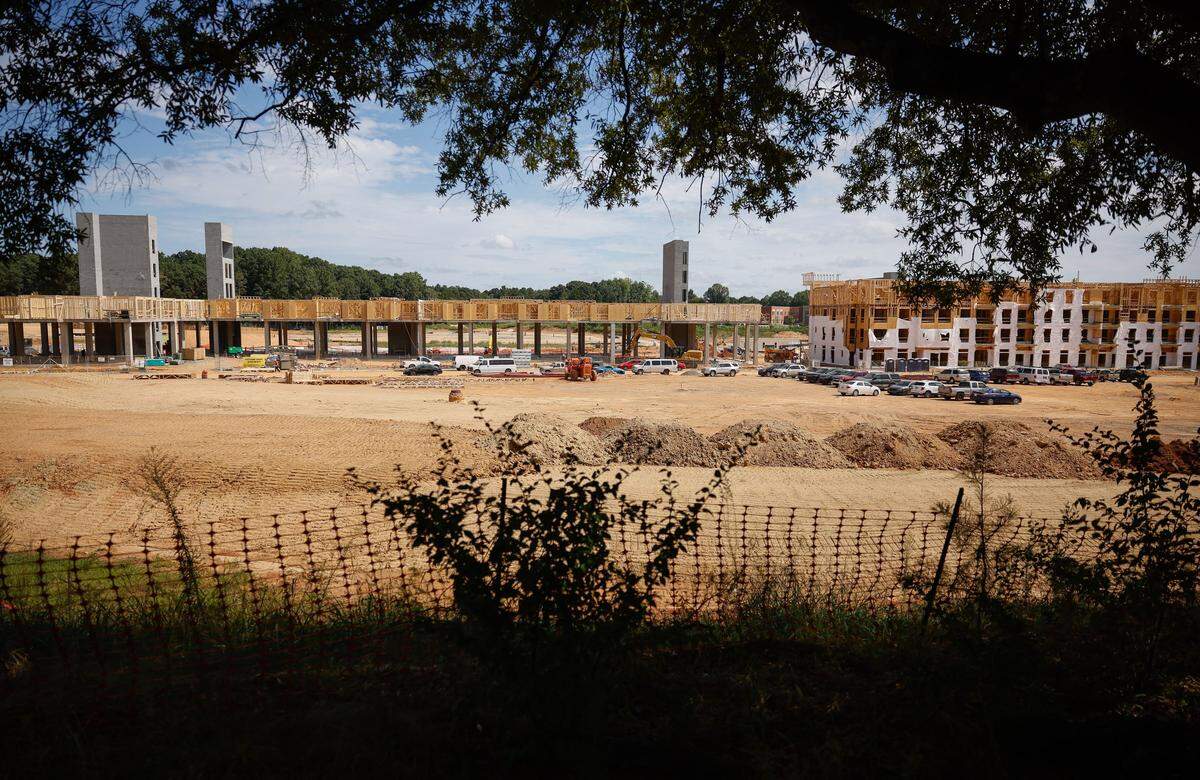
City Council approved initial development agreements in November 2020 that paved the way for Eastland Yards. The city broke ground on housing and retail space in August 2022, 12 long years after the mall closed its doors.
This first phase focuses on the western portion of the property and includes the following, according to the city:
- Evoke, an affordable apartment complex for people 55 years and older that has 70 units and opened near the end of 2024
- Mixed use buildings with 274 units and ground floor retail space that will begin leasing in early fall 2025
- 158 single family homes and townhomes, expected to welcome residents by the end of 2025
- 4.5-acre Mecklenburg County park expected to open in late 2026
Questions remained as to how the city would fill 29 acres on the eastern side of the mall site after Carolina Panthers and Charlotte FC owner David Tepper pulled out of plans to build a youth academy and soccer fields. Construction forged ahead regardless.
Then in 2023, city council approved the Eastland Yards Sports Campus as the final piece in its redevelopment plan. The sports campus is expected to begin construction by the end of 2025 and could take up to two years to complete. This second phase will include the following:
- Six soccer fields that will host a variety of outdoor sports tournaments
- Multipurpose courts that can be converted into 10 basketball courts, 16 volleyball courts, 30 pickleball courts or turf
- Food and beverage concessions
- Fitness center
- Community learning center
- Additional leasable space for related services like medical or physical therapy
The plans brought some relief to community members who spent decades advocating for their neighborhoods, like Buckley. She was an early member of Charlotte EAST, an advocacy group organized by the city in 2002 to help direct development in East Charlotte. Much of their work focused on swatting away “vultures” who wanted to purchase the land for cheap and turn it into housing “just to make a quick buck,” she said.
The sports complex will be the first of its kind in Charlotte.
“It’s going to bring people to this area. I know because I’m one of those sports families,” said Buckley, whose relatives travel city to city to compete in youth sports. “That’s where I can see a bright future.”
Greg Asciutto, the executive director of Charlotte EAST, said the goal is to replicate the mall’s success of bringing people to the area so they can patronize local businesses. He wants east Charlotte to return to its eat, work, play heritage without losing the multiculturalism it’s known for today.
Charlotte EAST played a significant role in securing the project for the mall site. Their next focus will be preparing small businesses for the massive economic impact that’s to come — and will be unlike anything they’ve seen in more than 20 years. The site will have more than one million new visitors per year by 2028, according to the latest estimates Asciutto’s team reviewed.
“The community does not fully grasp what’s coming, the changes, because there have been so many letdowns over the years,” Asciutto said. “Things are going to be shifting dramatically, and we want everybody who’s been here, who’s been able to flourish over the years … we want those folks to continue to operate in our ecosystem and take advantage of the new capital that’s going to be coming in pretty quickly.”
This story was originally published July 30, 2025 at 5:00 AM.