
Have a loved one detained by Border Patrol? Here are tools to locate them.
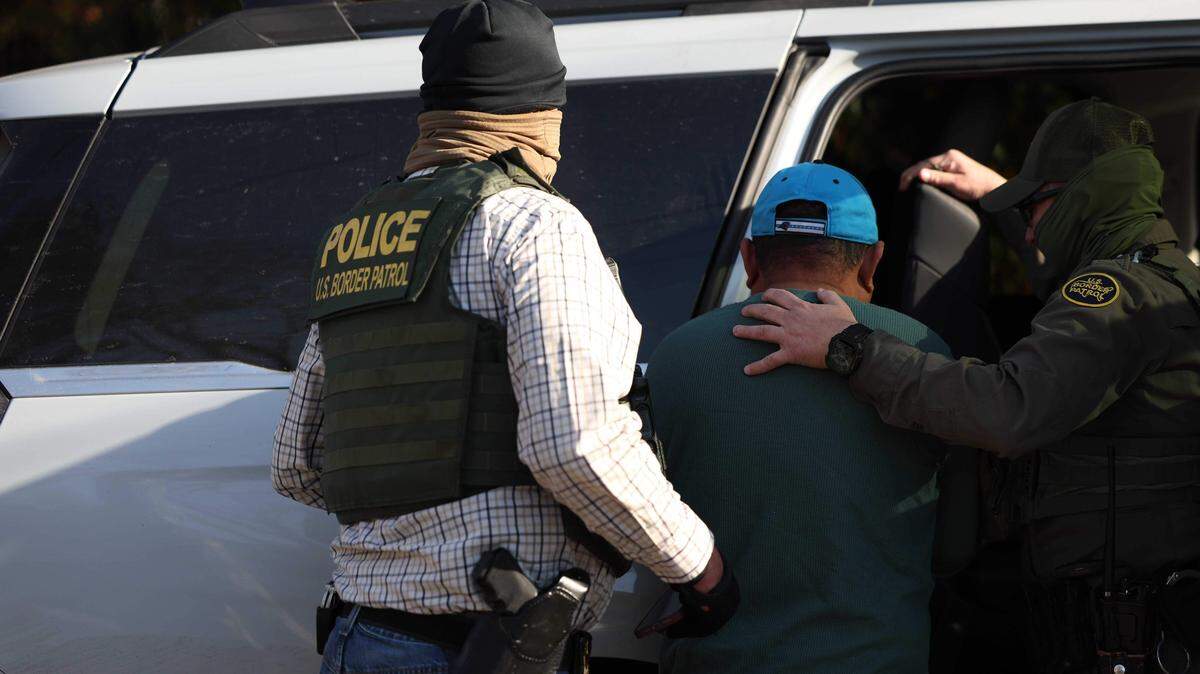
More than 250 people have been detained by Border Patrol agents during the Trump administration’s immigration crackdown called Operation Charlotte’s Web. But families, advocates and immigration attorneys say officials are offering little information about where individuals are being held.
Jamilah Espinosa, a Charlotte-area immigration attorney, said it wasn’t always this way. Prior to this operation, Espinosa said U.S. Immigration and Customs Enforcement would contact families or attorneys within hours of detainment. Now, in some cases, it’s been days before she has been able to speak with detainees or track their locations through normal channels.
“What’s uncommon right now is just the total lack of communication,” Espinosa said. “Family members you know, they’re assuming (their loved one has been) detained, or they’ve seen a video of them being detained. But they have not been able to speak with their relative and at least know that they for sure are in custody.”
The delay in information through usual channels could be because of the sheer numbers of people moving through the immigration system under Trump, says Jordan Grace Forsythe, chair of the North Carolina State Bar’s specialty committee for immigration.
“The way that the law is being executed is cruel and unusual under this president,” she said.
The Charlotte Observer reached out to the Department of Homeland Security to get specific answers on where individuals are being held and what information is being provided to families. As of Wednesday afternoon, the organization had not responded.
The (Raleigh) News & Observer laid out the legal process for individuals after detainment. As uncertainty looms, The Charlotte Observer spoke with two immigration attorneys who provided insight on how individuals who’ve had loved ones detained by Border Patrol can attempt to track them.
Online Detainee Locator System
Individuals can search ICE’s website for their loved ones using the Online Detainee Locator System.
This system will provide a detainee’s location while in custody and contact information for where they are being held.
Individuals can be searched for by using first and last name, birthday and their country of birth. Or, a person can be located by using their A-number. An A-number, also referred to as an Alien Registration Number, is a unique 7-, 8- or 9-digit number assigned to an individual. Individuals should get this number upon detainment or, if they’ve had a previous immigration case, they may already have a number.
Once a detained individual is able to call family, they are able to provide them their A-number to help track them in the future.
Automated Case Information System
Another online tool is the Automated Case Information System.
This tool, powered by the U.S. Department of Justice’s Executive Office for Immigration Review, provides basic information about the status of a case before immigration courts. It provides information like case status, hearing dates and more.
Forsythe says the tool can also be used to check if someone has a judicial deportation order.
To use this tool, you will need the individual’s nine-digit A number. If an individual’s A number only has eight digits, put a 0 in front of the sequence.
Surrounding county jails
Due to the volume of individuals being detained, jails in surrounding counties could also be holding individuals ahead of a court date or until the Department of Homeland Security chooses to transport them.
These agreements are through ICE’s 287(g) program which authorizes the agency to “delegate to state and local law enforcement officers the authority to perform specified immigration officer functions under the agency’s direction and oversight,” according to its website.
Mecklenburg County ended its 287(g) program in 2018 after Sheriff Garry McFadden took office — this was a part of a major pledge he made during his campaign to improve public trust in the department.
However, several other county jails have signed agreements with ICE. The closest to Charlotte include:
The Charlotte Observer reached out to the sheriff’s departments for each to confirm the status of their 287(g) agreement and if any Border Patrol detainees were in their jails. They did not return calls on Wednesday.
What families can do in the meantime?
If a family member is detained, Espinosa and Forsythe suggest that families make sure they have all their vital documents such as passports, birth certificates or any other documentation that shows how long they’ve been in the United States.
If the family is unsure if their loved one has been taken into custody by Border Patrol, Espinosa suggests contacting the police or checking local hospitals.
Forsythe says it’s also important to connect with a qualified immigration attorney before potential detainment. She also suggests setting up a power of attorney to help individuals organize care for their children or businesses.