
After decades of need, Beatties Ford corridor gets targeted homeless support
In an effort to address the needs of the unhoused in one of Charlotte’s most historic neighborhoods, Mecklenburg County is leading a partnership to remove barriers and bring access to wrap-around services right where people are.
The county approved more than $560,000 last month to support a targeted homeless outreach effort in the Beatties Ford/Catherine Simmons corridor. The effort expands shelter bed availability, street outreach, access to STD testing and more.
“It’s about being able to be intentional and strategic,” said Karen Pelletier, division director for Housing Innovation & Stabilization Services with the county. “In order to get people off our streets and into shelters, so much of it is relationship building and having those pathways.”
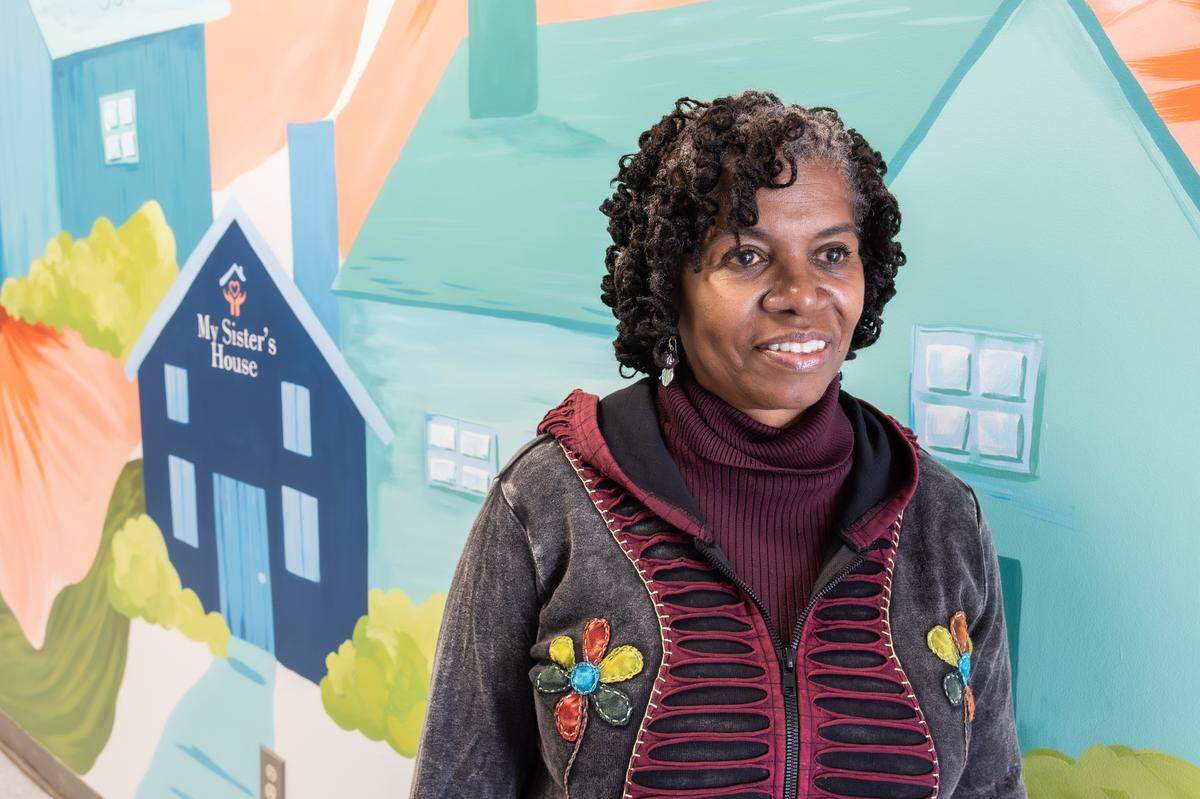
This new neighborhood targeted effort, the first of its kind for the county, was born after concerns were raised by Deronda Metz, the executive director of My Sister’s House — a transitional women’s shelter. My Sister’s House is a part of Friendship Missionary Baptist Church’s Community Development Corporation.
Earlier this year, Metz went out to check on one of the church’s affordable housing properties on Catherine Simmons Avenue. When she arrived, she noticed unhoused individuals outside and even some squatting in the empty units.
Before Metz led My Sister’s House, she had worked with the homeless for more than 30 years as the director of social services for the Salvation Army. She even recognized some of the unhoused people in and around the property.
“And so my first thought is looking around (and) looking at the condition of our unit, the community, (and) the people that were there. I knew in that moment that this was a challenge,” Metz said. “... it’s something that needed to be addressed. And I knew I couldn’t do it alone.”
So Metz reached out to Mecklenburg County to discuss how to attack the problem head on. Metz wanted to bring in stakeholders from multiple sectors — nonprofits, the business community and government leaders — in one room to share resources and ideas.
This corridor has wrestled with homelessness for nearly four decades, Metz said. But other areas in Charlotte often get more attention.
“We’ve all been involved in homelessness uptown, because it’s visible, right? And that’s what we as a community talk about. So I think (Beatties Ford and Catherine Simmons Avenue) was sort of off the radar…” she said. “So I think just shedding light to say, hey, you know, we know we got this homeless issue. It’s uptown, but we also have homelessness in these other pockets of Charlotte.”
What services are available?
On Nov. 12 Mecklenburg County commissioners unanimously approved $562,426 from the general fund to support this effort through June 30, 2026. After that runs out, money from the county’s affordable housing fund, Home for All, will kick in. The effort launched on Nov. 18.
During the November meeting, County Manager Mike Bryant said the issues and concerns facing the unhoused in this corridor did not happen overnight and will take time and investment to resolve.
“This is a complicated population as you all know. You talk about behavioral health, addiction, and criminal behavior that we are dealing with. It’s not as easy to just come up with a plan like that,” Bryant said.
The effort will provide the following resources to the community:
- Creates and funds two new street outreach positions for Hearts of the Invisible.
- Increases capacity at My Sister’s House and Roof Above, adding 75 and 20 shelter beds respectively.
- Opens a temporary Health and Human Services hub at a county building on Lasalle Street for health testing.
- Provides access to mobile showers through Project Outpour.
- Assists residents with obtaining North Carolina identification and Social Security cards through the Just Do It Movement.
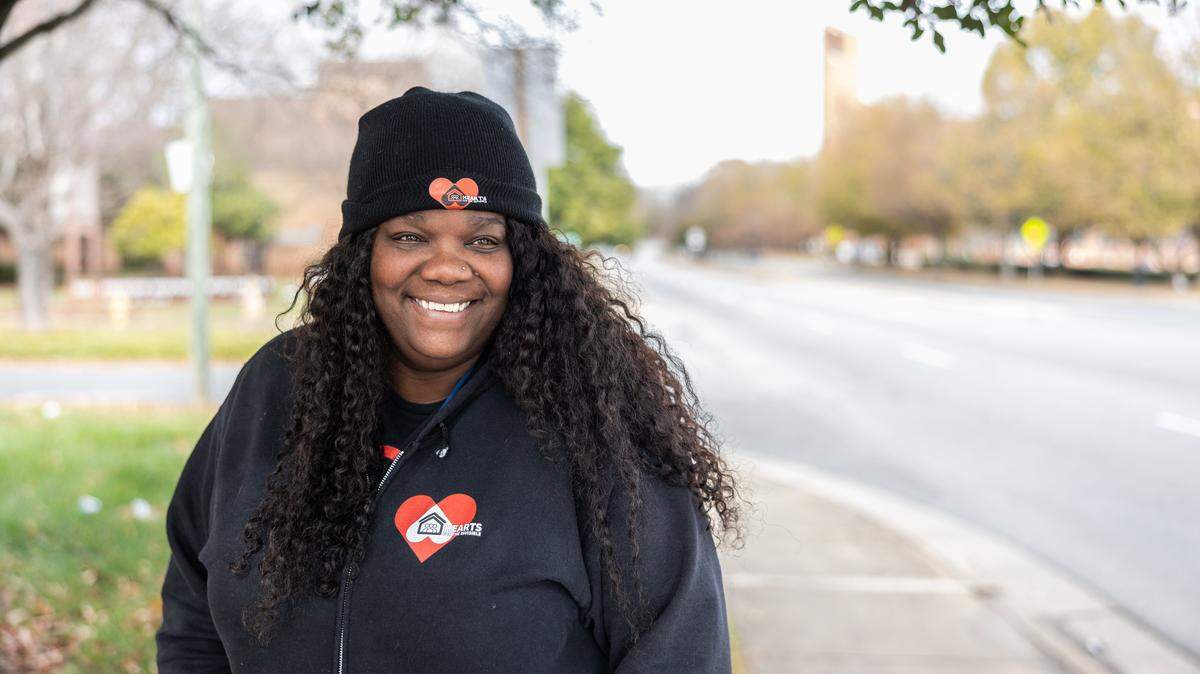
Jessica Lefkowitz, founder and executive director of the street outreach organization Hearts for the Invisible, said she’s excited about the partnership and the opportunity to have two dedicated people doing street outreach in the area.
“More often than not, people who are experiencing homelessness might feel let down by the current systems for whatever reason, and most of the time, that’s because they really don’t know how to navigate through the systems properly. ...But when you have people that literally walk side by side with an individual to help them through that process, it is that opportunity to build trust,” Lefkowitz said.
Since the effort began, Lefkowitz and her team have been able to connect 15 people to resources such as housing, temporary shelter and behavioral health support. The Mecklenburg County Public Health Department has also provided STI testing and education to 54 individuals — some unhoused, others not.
A launch, not a pilot
After 40 years of the corridor struggling with homelessness, Metz said it feels divine to see progress now.
The commitment of County Manager Bryant and county staff like Pelletier helped her take the problem from talk to tangible action.
“It’s almost like the universe, God put people in places for certain things to happen,” she said. “... I think when we have that type of grounding on top of trust (and) experience… it can make a difference.”
This effort is not a pilot, Bryant said, it is a launch that will continue and be replicated into other areas of the city. While the specific other areas have not yet been identified, commissioners expressed a desire to see this replicated in communities near Reagan Drive and Milton Road.
Metz hopes this effort will help get people off the streets and provide a safe environment to navigate their situation.
“I’m thankful that we’re able to serve those people that need us the most,” she said.