NC children ‘lacking the necessities’ as report reveals mental health, cost issues
Editor’s note: This story discusses depression and suicide. If you or someone you know needs help, the national Suicide & Crisis Lifeline is available 24/7 by calling or texting 988.
Youth suicide remains the second leading cause of death for North Carolina children ages 10 to 14, and advocates say the state’s ongoing mental health crisis shows no sign of easing.
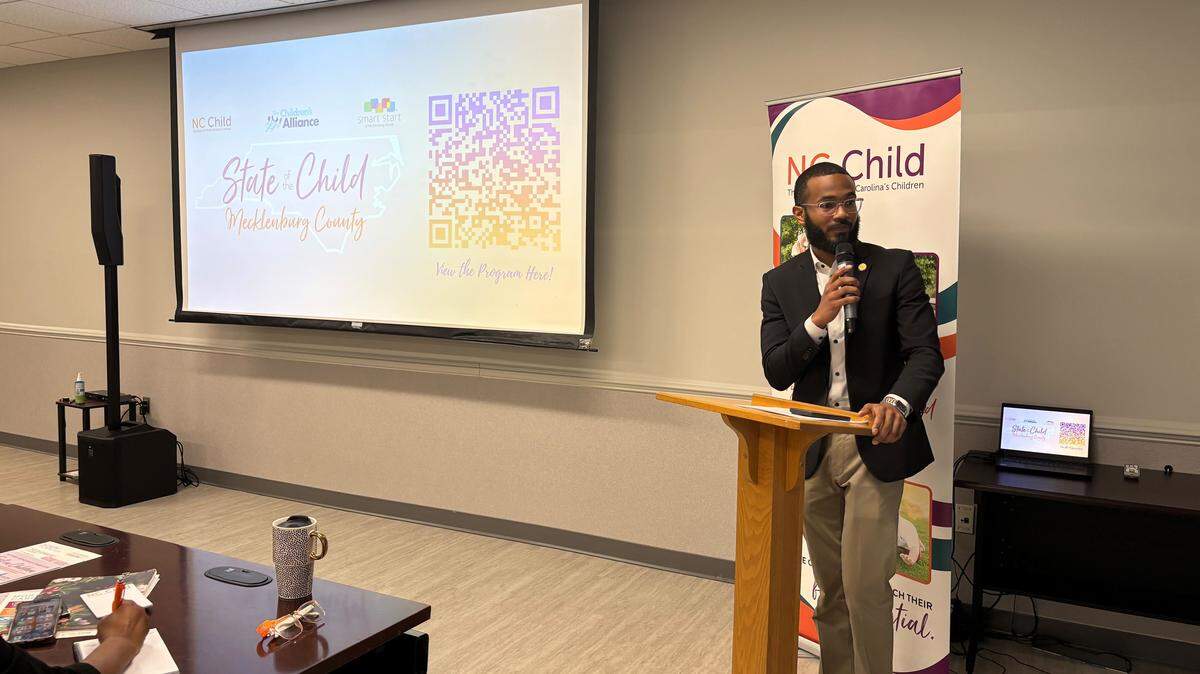
NC Child, along with Smart Start of Mecklenburg County and The Children’s Alliance, presented the annual “State of the Child” report Friday afternoon, outlining the county’s latest indicators on child well-being and the social pressures shaping children’s health. Youth suicide rates in North Carolina have nearly doubled since 2010 and still haven’t begun to fall, even as national numbers stabilize, according to the report.
Mecklenburg’s overall child death rate, which includes all causes of death, dropped from about 63 per 100,000 to 53 from 2022 to 2023, but advocates said youth mental health continues to be the county’s most alarming trend. Emotional distress among teens is common, NC Child Executive Director Erica Palmer Smith said, and families still face major hurdles accessing care.
“There are so many challenges that are facing North Carolina children and families,” Smith told The Charlotte Observer. “Too many of our youth are experiencing loneliness, anxiety and depression, and over half of those youth don’t have access to medical resources when they go back to school.”
More than half of North Carolina children who needed mental-health services in 2023 either struggled to obtain them or could not get them at all, she said. For many students, schools are their primary access point for support. Yet, the system is stretched thin.
Charlotte-Mecklenburg Schools has more than 1,300 students for every school psychologist, far above the recommended 500-to-1 ratio, and ratios for nurses, counselors and social workers also exceed national guidance.
“We cannot accept that we have youth losing their lives to suicide without doing absolutely everything that we can,” Smith said.
Food insecurity, high costs remain burdens
While Smith said the suicide rate was the most alarming statistic to her, she said it’s deeply tied to the economic and social pressures shaping children’s lives.
In Mecklenburg County, food insecurity remains another problem for children. Nearly one in six children in the county lived in a food-insecure household in 2023, a level significantly higher than before the pandemic and one that has seen little improvement since 2021, according to the report. Food insecurity typically refers to a lack of consistent access to sufficient and nutritious food.
That number could get worse due to federal changes, Smith said. Federal cuts to SNAP benefits next year will require North Carolina to come up with roughly $420 million annually to maintain current benefits.
Housing costs are another concerning area, according to the report. Nearly one-third of Mecklenburg households are considered housing-cost burdened, spending 30% or more of their income on housing. For renters, the burden is even greater with about half spending more than they can sustainably afford.
At the same time, families face mounting childcare costs. In the past year alone, the average cost of infant care in Mecklenburg has risen nearly 5%, and toddler care is close behind, both outpacing inflation, Smith said. Providers are struggling to hire and retain staff, forcing parents into difficult decisions about work.
While there have been some improvements in prenatal care since 2022, they have not translated into better birth outcomes. About 71% of pregnant women in Mecklenburg accessed first-trimester prenatal care in 2023, higher than a decade ago, yet rates of low birth weight and preterm birth have remained largely unchanged, Smith said. Those outcomes, she said, are heavily influenced by social determinants such as stable housing, food access, income, neighborhood safety and maternal stress.
Smith said that North Carolina excels in areas like business, higher education and economic growth, but children are not yet benefiting equally.
“North Carolina is an incredible place with so many opportunities,” she said. “But right now, too many of our children are lacking the necessities, the resources and the opportunities to be able to reach their full potential. If we make children our priority, we can get there.”