
We investigated a Charlotte-area surgeon. Here’s what we learned.
Six former patients or their families have accused Charlotte-area surgeon Dr. Timothy Ryan Heider of wrongful death or malpractice in lawsuits over the past 15 years, with four settled out of court with cash payments.. That’s an unusually high number for surgeons across any specialty, data shows.
Two of the doctor’s patients died within days of weight-loss operations that typically carry a death rate of less than 0.1%, according to experts Others said they faced serious complications, including kidney injury and stomach removal.
But, to the frustration of people interviewed by the Observer, Heider continues to operate. He’s been assigned to emergency general surgery at Atrium Health Lincoln since May 2025, according to the hospital.
Heider’s case, detailed in an ongoing Observer investigation called Bad Medicine, shows how doctors with multiple malpractice settlements can continue practicing with few repercussions. Most physicians with records like his don’t face consequences from regulators, data show.

Here are three key takeaways from the exclusive report:
Doctors who settle multiple lawsuits keep practicing
Data shows that physicians nationally who settle many more malpractice suits than their peers continue to practice.
More than 92% of physicians nationwide with five or more malpractice claims had continued practicing, a 2019 New England Journal of Medicine report found. Many moved on to smaller or solo practices, where they may face less oversight.
And few doctors with repeat medical malpractice payouts get disciplined by state medical boards, which are frequently run by doctors, one study found.
“You have the guys with the worst of the worst records for malpractice dollars paid, and not a whole lot of action taken by licensing boards or hospitals,” said Bob Oshel, a PhD and former associate director for research and disputes for the National Practitioner Data Bank who co-authored the study.
That means your doctor could have settled many recent malpractice claims without you knowing.
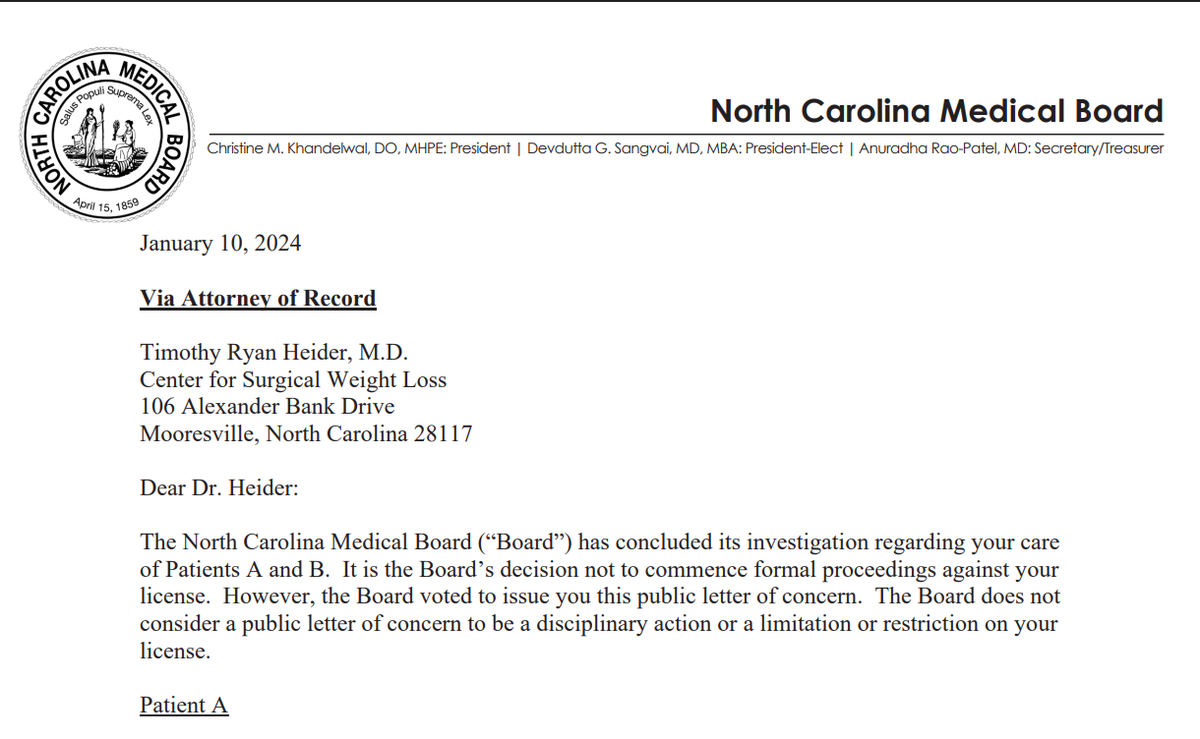
Few NC medical board records are public
The North Carolina Medical Board does list some malpractice payouts and other information about a doctor on its website — but there are limits.
Information about a physician or physician assistant includes any public actions taken by the board against a licensee, as well as dates of malpractice lawsuit payouts over $75,000 made on a doctor’s behalf within the last seven years.
But the public won’t find amounts of malpractice settlements, or any details about what the payments were for, there. Also unavailable is information about any private letters of concern or investigations into a physician conducted by the board.
Also confidential is information on which doctors and physician assistants licensed in this state have participated in substance abuse treatment programs like the North Carolina Professionals Health Program.
There are ways to try to check a doctor’s history
Some physician disciplinary history, including actions taken by hospitals or other employers, are never made public.
A share of that information is required to be reported to the National Practitioner Data Bank, a central repository that healthcare organizations can access.
Yet, hospitals rarely make those reports, data has shown. Sometimes that’s due to agreements with doctors that allow them to resign rather than be fired, for example.
“Hospitals generally go out of their way not to take a reportable action unless it’s a really serious action” and they want the physician gone, said Oshel. That makes it harder for employers hoping to use the data bank to vet a doctor before hiring.
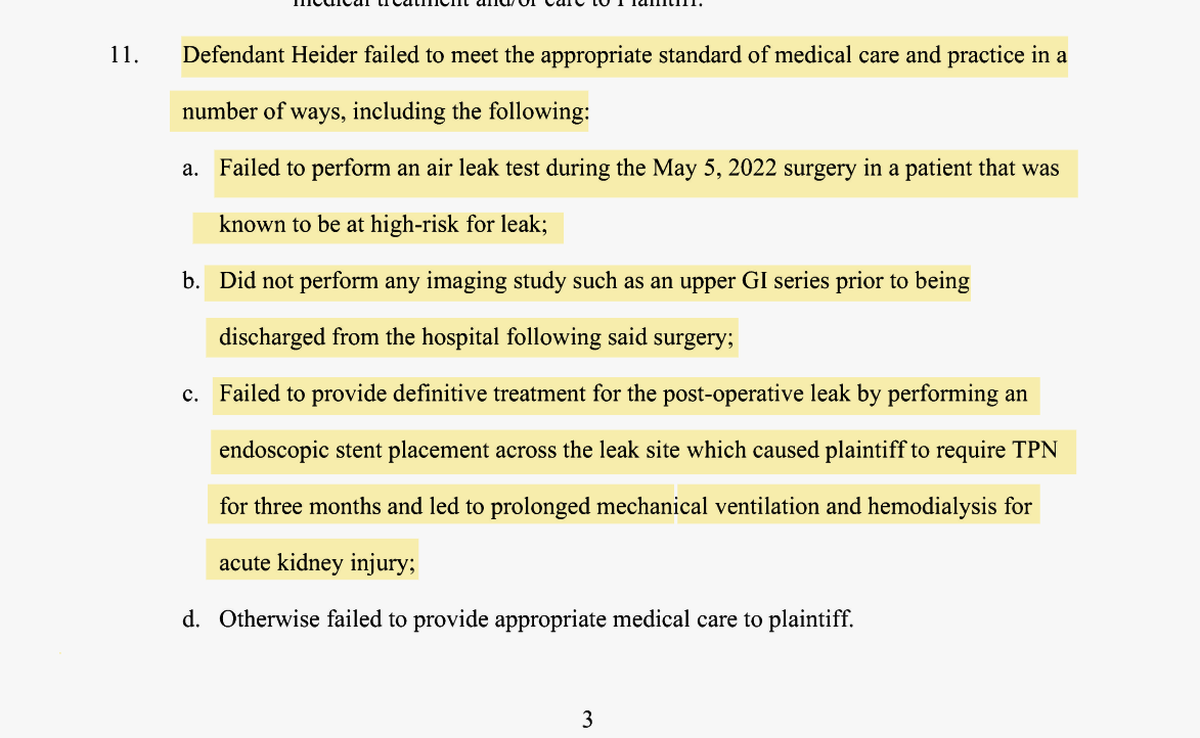
The public can look at criminal and civil court records to get more context about a physician’s background, though. Details on most criminal charges and medical malpractice lawsuits should be visible on North Carolina’s statewide court records system, eCourts. Searching for the names of hospitals and clinics should turn up records of lawsuits involving them, too.
Tools like docinfo.org can provide information about licensing, and disciplinary actions against a doctor, from medical boards across the country. And checking a doctor’s board certification can give insight into whether they’ve met certain training requirements in a specialty area of practice beyond what’s required of all licensed physicians.
EDITOR’S NOTE: The investigative series Bad Medicine is examining patient care in North Carolina. If you have a story to share, contact reporter Amber Gaudet at agaudet@charlotteobserver.com.
This story was originally published February 23, 2026 at 5:30 AM.