What’s that smell? Bradford pears blooming in NC — with a bounty on their heads
AI-generated summary reviewed by our newsroom.
- Bradford pears are known for their white flowers and rotten smell.
- The tree is an invasive species in North Carolina.
- A bounty program offers native plants to residents who remove the problematic trees.
Bradford pear trees are brightening up the North Carolina landscape — but don’t be fooled.
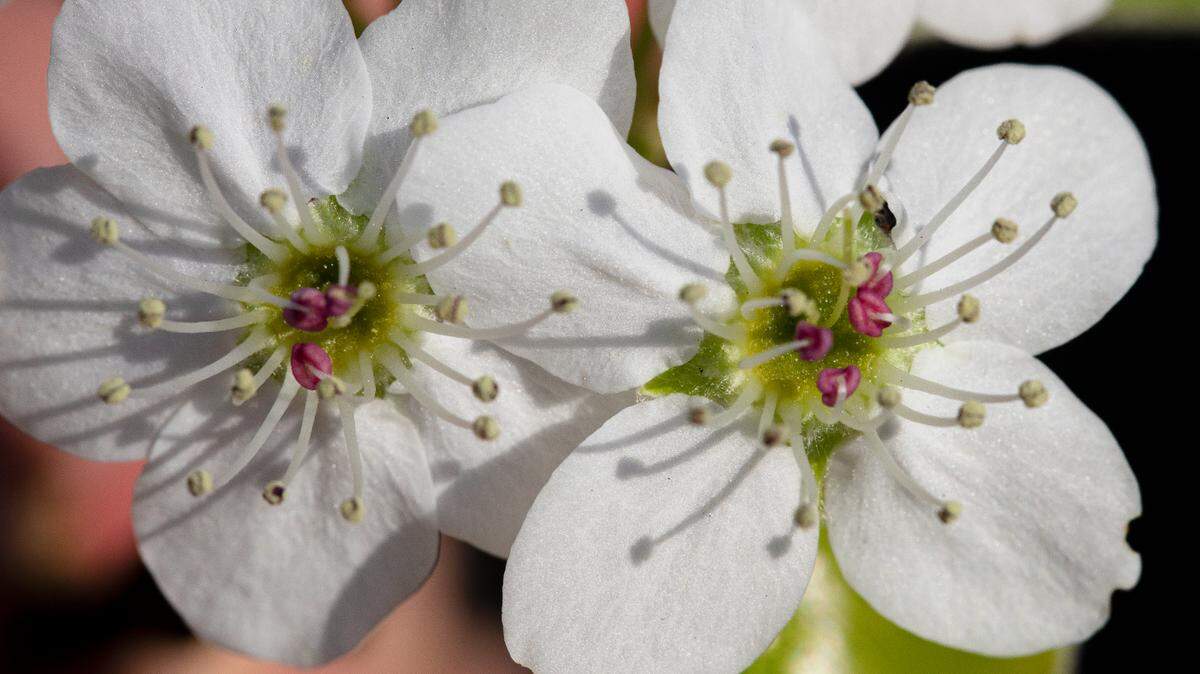
The trees, known for their white flowers and stinky smell, are a big problem for the environment.
“They’ve taken over and have created this plant that is incredibly invasive, incredibly fast-growing, and it’s starting to kill out our native plants,” Julie Guy, formal gardens curator at The N.C. Arboretum in Asheville, told The News & Observer in a March 11 phone interview.
It turns out, Bradford pears spell so much trouble that there’s a bounty on them in North Carolina. Here’s what to know about the trees and the best ways to remove them from your yard.
What makes Bradford pears bad?
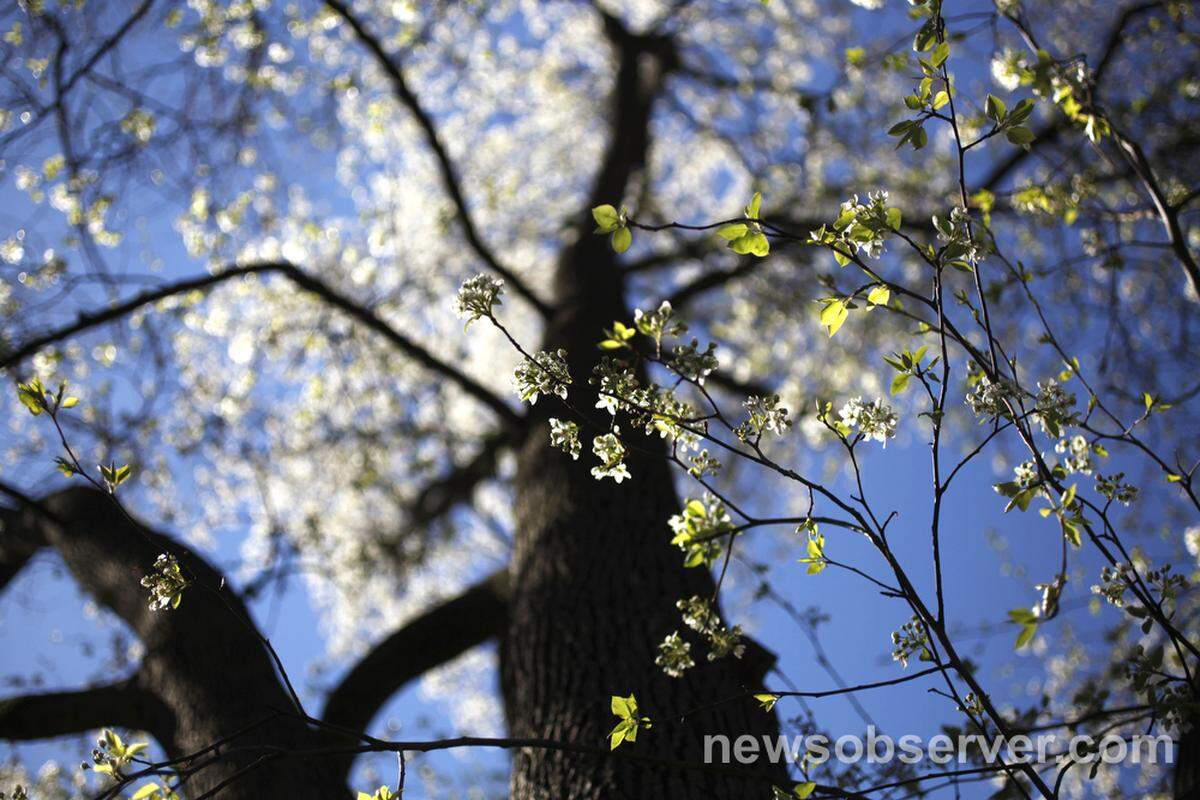
Bradford pears are a type of Callery pear, which are native to Asia. Since Callery pears were introduced to the Southeast in the 20th century, they have cross-pollinated and created a big mess.
“While it was once prized for its spring flowers, oval-shaped canopy, and adaptability to urban environments, it is now evident that Bradford and other varieties of Callery pear exhibit highly invasive traits, such as aggressive proliferation and displacement of native species,” the N.C. State Extension wrote on its website.
In addition to taking shade and other resources away from native plants, there are more reasons to dislike them. Here’s what experts have told The N&O:
- Their sharp edges make it difficult for wildlife to move around or reach their fruits.
- They put a strain on the food web when caterpillars eat them instead of native trees.
- They have weak branches that can topple in storms.
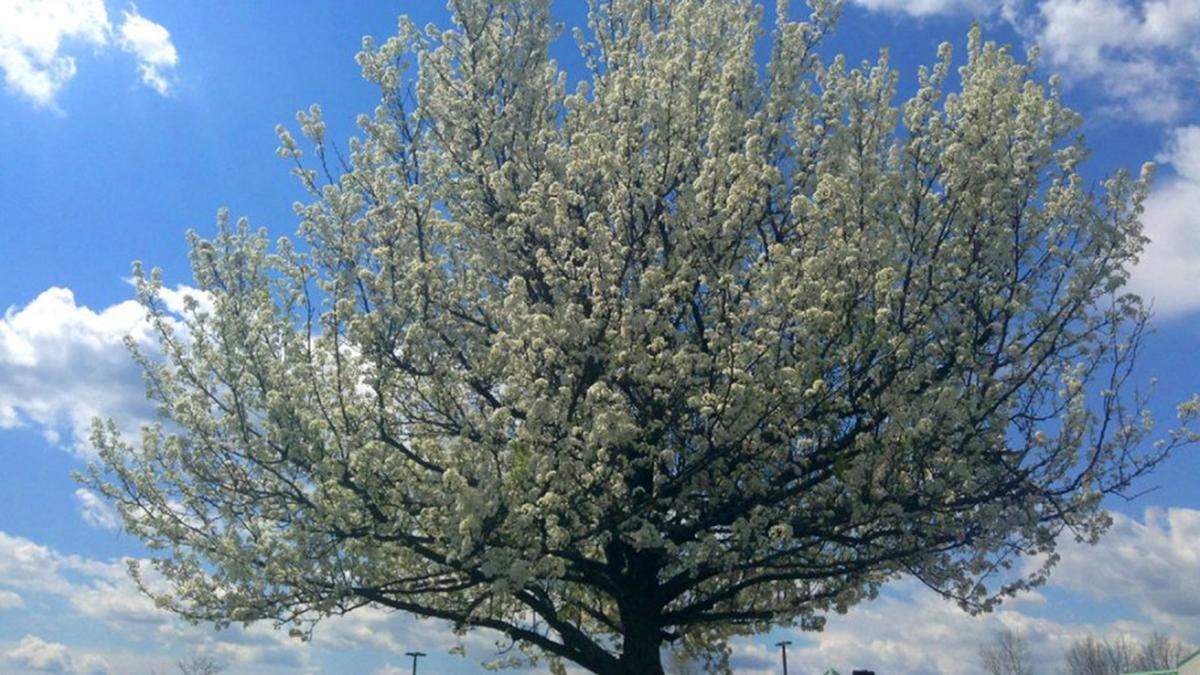
Plus, there’s the smell. The stench of rotten fish fills the air when Bradford pears bloom.
“They do have such a heavy smell so that they attract pollinators into the flowers to help pollinate and spread the pollen for fertilization,” Guy said.
What do Bradford pears look like?
The Bradford pear is “generally the first tree to bloom” en masse in the springtime, John Isenhour, wildlife habitat coordinator with the N.C. Wildlife Resources Commission, told The N&O in a March 10 email. Though the weather can impact timing, experts say the trees typically display their flowers in March.
If you think you may have a Bradford pear, you can compare it with photos at treebountync.com, The N&O previously reported. Besides their signature blooms, here are some other identifying characteristics to look out for:
- Disc-like leaves with “teeth” on the edges
- Round, brown fruit
- Grey bark with orange patches and vertical fissures
- Branches with thorns
How to get rid of Bradford pears
Given the harm to the natural landscape, experts have cautioned against planting Bradford pears. Instead, Isenhour recommends people choose native trees that are better suited to North Carolina.
But if you already have a Bradford pear in your yard, what can you do? If you see one that’s roughly knee high, Guy said it may be easy to pull from the ground. Here are some tips experts shared for bigger trees:
- Cut the tree as close to the ground as possible.
- Treat the remnants with an herbicide by dabbing or painting it on instead of spraying.
- For larger trees, drill into the bark and spray an herbicide inside.
Isenhour said herbicides are important because cutting alone “will not kill the plant. In fact, we often joke that when you cut down a (Bradford pear) and do not treat the stump you are inviting a dozen new sprouts to the funeral.”
When it’s best to remove Bradford pear trees
But you may not want to act right away. Isenhour suggests people take note of blooming Bradford pears in their yards now and mark their calendars for August.
“While (Bradford pears) are being very showy right now, they are best controlled in the late summer when the plants are moving nutrients from the leaves to the root systems in preparation for the fall and winter,” Isenhour wrote. “Herbicide applied during this period is more likely to kill the root system of the treated plant.”
If you don’t want to use an herbicide, other options include repeatedly cutting back new growth or digging out the stump.
What is the Bradford pear bounty?
If you’re ready to remove your Bradford pear tree, a free replacement could be waiting for you. The extension helps to run the N.C. Bradford Pear Bounty, a program that offers native trees to residents who get rid of the the invasive trees.
“Just take a before and after photo,” Kelly Oten, a forest health specialist with the extension, previously told The N&O. “When people come to our bounty events, they have their cell phones out to show photos of the tree in their yard, then the tree removed from their yard.”
Details about the tree exchanges are available at treebountync.com. Here’s a schedule of events scheduled for this spring:
- Hayesville: March 21
- Asheville: April 25
- Hendersonville: April 25
- Burlington: May 9
Portions of this story were previously published in The News & Observer.
This story was originally published March 12, 2026 at 12:12 PM with the headline "What’s that smell? Bradford pears blooming in NC — with a bounty on their heads."