‘Full of wonder,’ co-founder of African American Film Critics Association dies at 55
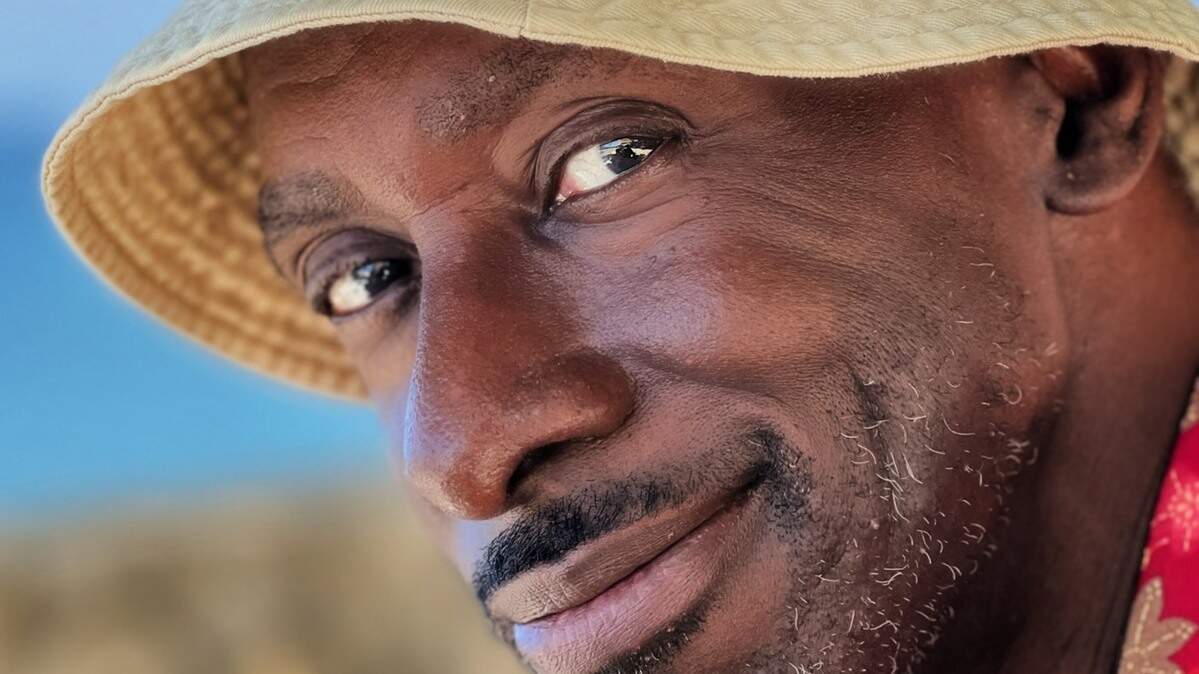
Daryle M. Lockhart lived a life that might sound like it came straight out of one of the many movies he loved and celebrated as a co-founder of the African American Film Critics Association.
From marrying a former childhood neighbor he reconnected with during a New York City subway ride in the 1990s, to raising their kids who would go on to become successful adults, to the end of his life at home near Charlotte on March 21, Lockhart lived a vibrant life.
The 55-year-old died surrounded by his family after a five-year battle with colon cancer, his wife, Margo Lockhart, said in a phone interview with The Charlotte Observer on Wednesday.
“For as beautiful as a death or transition can be, he had one of the most beautiful ones,” she said. “We were all here with him and talked to him and held him in our arms and told him thank you and how much we love him.”
Despite expecting to cry while recalling their 25 years of marriage together, Margo said, she instead mostly smiled while reminiscing. Their marriage was never boring, she said.
“He was always learning something,” Margo said. “He always was full of wonder.”
Neighbors in the Marcy Houses
The Lockharts were both raised in the Marcy Housing Project in Brooklyn. There was a two-year age gap between the couple, she said, so they weren’t exactly childhood friends. But their families knew each other.
Even though they went their separate ways as adults, and went years without seeing each other, they recognized one another on a random ride on the A-Train, Margo said.
“I was sitting in a chair, he came through the car doors, and I looked up … and my first thought was, ‘Oh my God. He’s so fine,’” Margo said. “I did a double take, and he said ‘Hey Margo.’”
She was reading a book about Black liberation at the time, and he said he was reading the same one. They caught up and continued to talk about books and music and other things until, at some point, the train ride came to an end.
Then they went their separate ways again, Margo said.
Daryle Lockhart’s career kept him busy and traveling. But the random encounters continued to happen.
“One of the most memorable times that we met was on Jay Street in downtown Brooklyn. It was raining, and we ran into each other literally just walking down the street,” she said. “We reminisced about that particular meetup, and that was when we both realized that there was something more.”
The couple made it official one night when Daryle called her while he was in London, possibly a little drunk.
“He was like, ‘No matter where I am in the world, I’m always thinking of you. So when I come back, I think we should really get serious about our relationship … If you’re seeing anyone else, you should probably get rid of them,’” Margo recalled him saying.
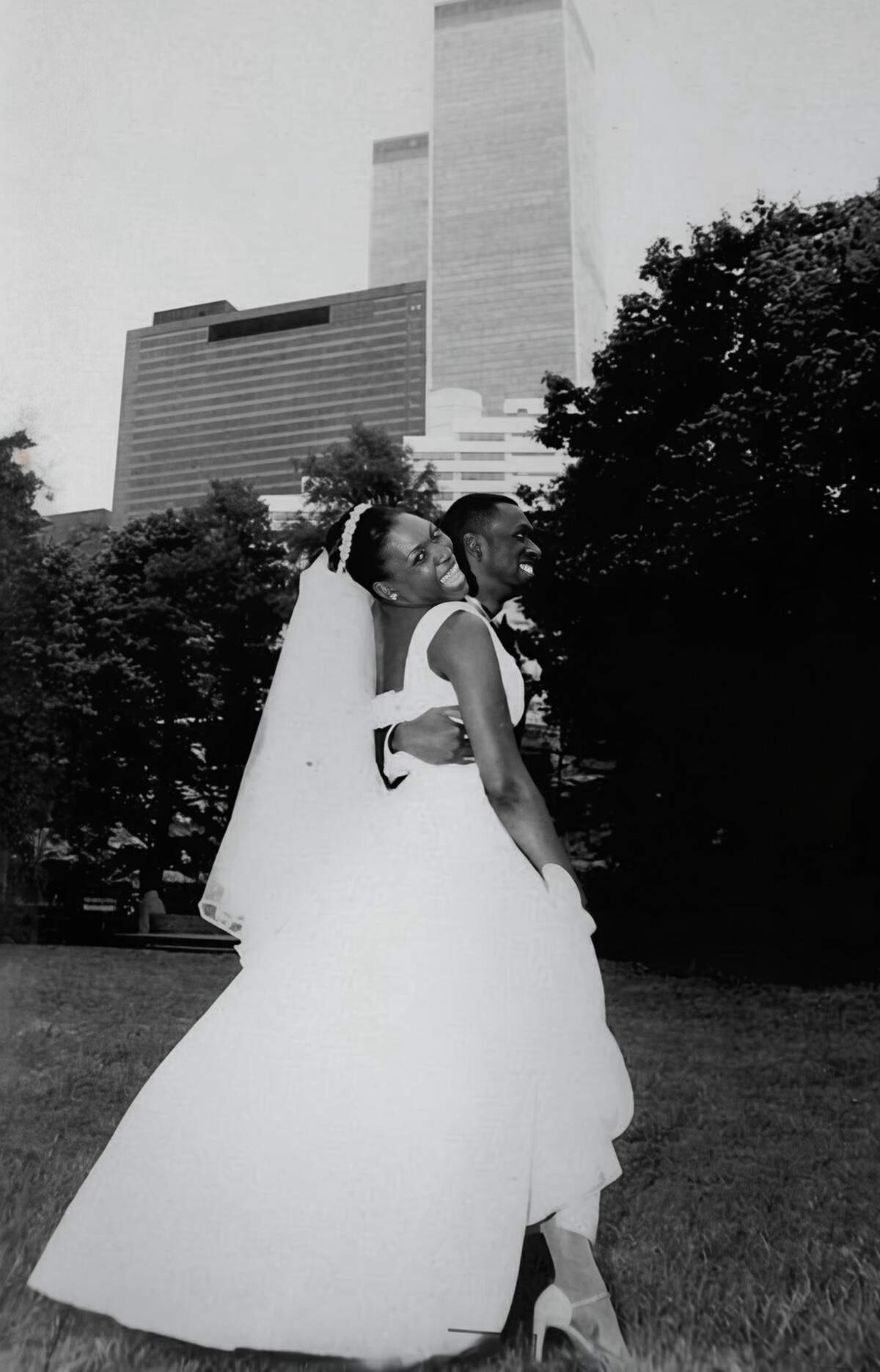
She was, so she did. By 2001, in their 30s, the couple got married.
Black films and businesses
Lockhart’s work kept him busy. His resume included, among other things, working for music studios to help promote groups like the Wu-Tang Clan, working as a creative director with Walt Disney Animation Studios and at Cartoon Network Studios, and as a podcast host.
He was instrumental in helping anchor the African American Film Critics Association presence on the East Coast, his colleague and another co-founder, Gil Robertson, said in a phone interview.
“He was strong and dependable and someone you could really count on,” Robertson said. The African American Film Critics Association, which began in 2003, reviews and highlights film and television featuring Black directors, actors and writers.
Lockhart helped strengthen relationships with studio and creative partners, and was always thinking of ideas to help the association grow.
Supporting Black arts, and Black people, was something he loved, Margo said.
“He was so proud to be part of the legacy of Blackness in this country,” Margo said. “Up until his last days, he was supporting Black brands.”
He recently bought a 40 Acres and a Mule Filmworks jacket from Spike Lee’s clothing line because he couldn’t afford one when he was younger.
“So he treated himself to a jacket,” she said. A jacket from one of his favorite filmmakers.
She and Daryle loved watching Sidney Poitier and films starring other Black stars and directors. They would talk about the craft, with him often teaching her how shots were filmed or lit, but she would also teach him sometimes, she said.
They would laugh and watch Blaxploitation films, or more modern films, like Marvel’s “Black Panther.” Daryle loved comic books, she said, and had a dream come true when “Black Panther” hit the big screen.
“Some of the most romantic moments we’ve had was just sitting on our couch watching a film,” she said.
Love of arts and outer space
Daryle sometimes struggled with being a workaholic and being at home. But he always made sure to carve out time for his kids’ extracurriculars or achievements, Margo said. And as the years went on, and his work became more remote, he was more present at home.
The family moved to the Charlotte area around 20 years ago for a better cost of living and change of scenery. They lived in Waxhaw before moving to Ballantyne.
Their kids grew up, with their daughter becoming a lawyer and their son going to Berklee College of Music in Boston. The couple also became grandparents.
Both of their kids got their father’s proclivity for creativity and the arts. Their daughter moonlights as a DJ. Their son, looking to follow in his father’s footsteps, plans to compose music for films.
That love of arts was often cultivated during family trips, when they would make an effort to stop at museums or street concerts, Margo said.
It made Daryle’s passing all the more difficult and intense for his children, Margo said. He wasn’t just their father, but their friend.
He was a major Trekkie. He loved Star Trek and outer space and could talk about the series by the episode.
“One of his last big trips that he took himself on was a Star Trek convention in Vegas,” Margo said.
Daryle believed humans were made up of stardust and was looking forward to seeing the launch of Artemis II, especially because it was going to be piloted by a Black astronaut. The rocket launched 10 days after he died.
“I tell people he died just before the Artemis mission so that he could supervise them,” she said.
And she’s confident that she, and others, will be able to find him in the things he loved, like space, and movies and music.
“You can find him in the beat of your favorite song,” she said. “Look to the stars and know that love was his legacy.”