In Charlotte cemeteries, historian unearths untold tales of American independence
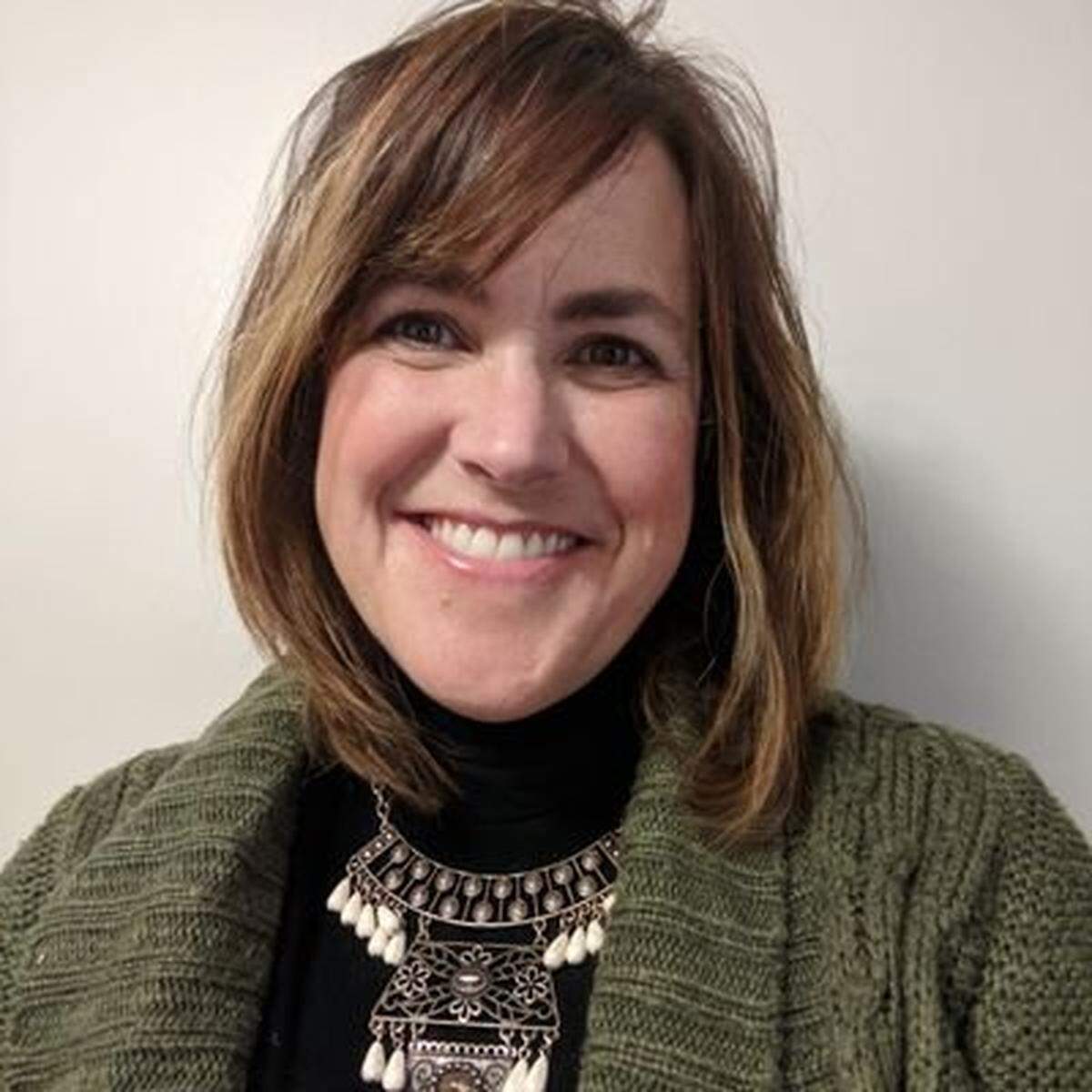
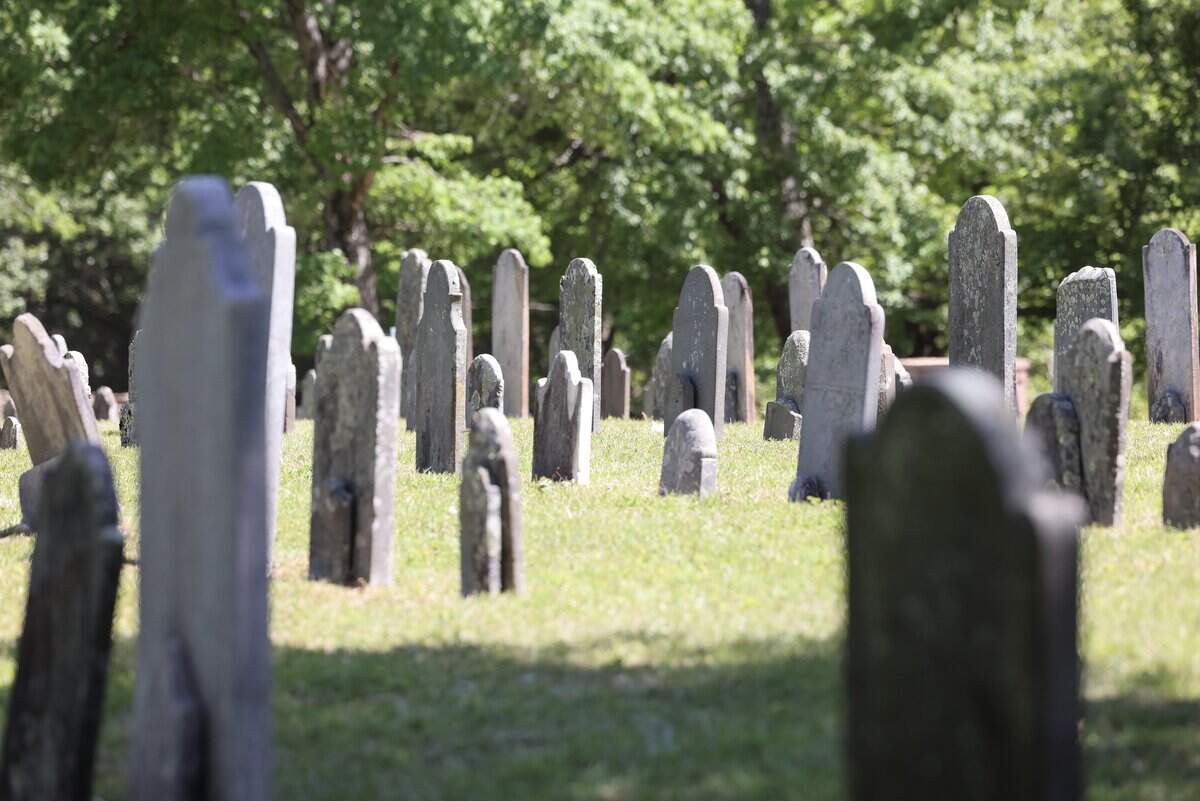
In southwest Charlotte, a quiet, neatly groomed cemetery sits in the shadow of a shuttered historic Presbyterian church, surrounded by the roar of construction and the steady drone of jets arriving and departing the airport about a half-mile away. It’s an unlikely place to find the roots of a nation, but that’s precisely the point for historian Kelly Gomez. Among the 1,700 weathered headstones at Steele Creek Memorial Cemetery, some dating back to 1763, Gomez is uncovering stories that challenge traditional history books.
Contrary to popular belief, the Durham resident argues, the true “hotbed of the Revolution” wasn’t found in the tea-stained harbors of New England or along the cobblestone streets of Philadelphia, but right here in Mecklenburg County. “I’ve learned Charlotte was the epicenter of the American Revolution,” said Gomez, founder of the popular history and photography website and social media project The Forgotten South. “It was the hotbed of the Revolution, right here where we’re standing.”
Gomez's project went viral during the pandemic and now boasts 1.6 million followers. She’s on a yearlong mission to document the graves of 250 Revolutionary War Patriots throughout the South to honor the upcoming 250th anniversary of American independence.
Gomez does that by visiting cemeteries and sharing stories of people from the Revolutionary era, from generals to the enslaved population. Her research, often starting with census records and primary genealogical data, frequently unearths stories that have never been told, she said.
As of mid-June, Gomez had driven 701 miles across four states — the Carolinas, Georgia and Florida — and visited 87 Patriots’ graves, including those of five women, she said on the project’s social media sites.
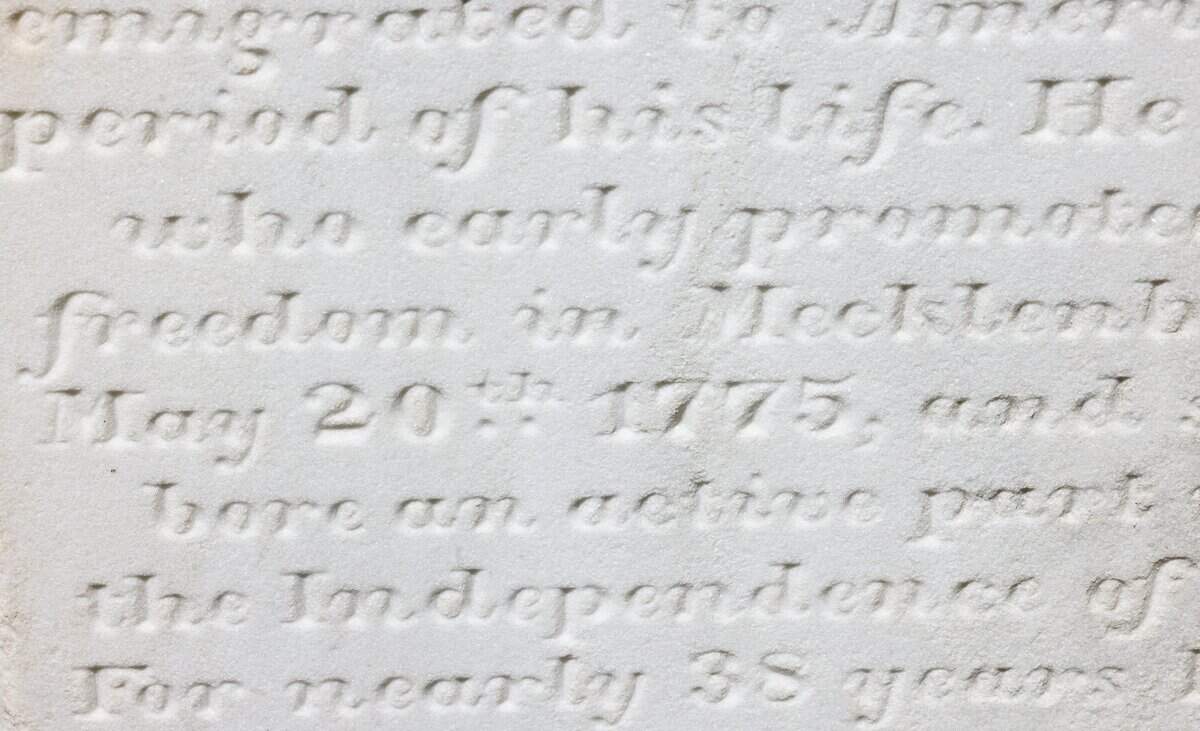
British Gen. Charles Cornwallis’ own letters suggest the rebellion would not have succeeded without the local backcountry support, Gomez said. And the Mecklenburg Declaration of Independence, supposedly signed in Charlotte in May 1775, predates the Continental Congress’s declaration by 15 months, she said.
Most historic Presbyterian churchyards in the region hold a multitude of Patriots, she said. The fight for independence in the Carolinas, Gomez said, was largely driven by Scots-Irish Presbyterian settlers and pastors who “used the Gospel to justify the American Revolution.”
Revolutionary War stories etched in stone
Gomez’s project goes beyond generals and majors. She’s also seeking “lesser known” Patriots — the farmers, the women and the enslaved people whose contributions have faded into history.
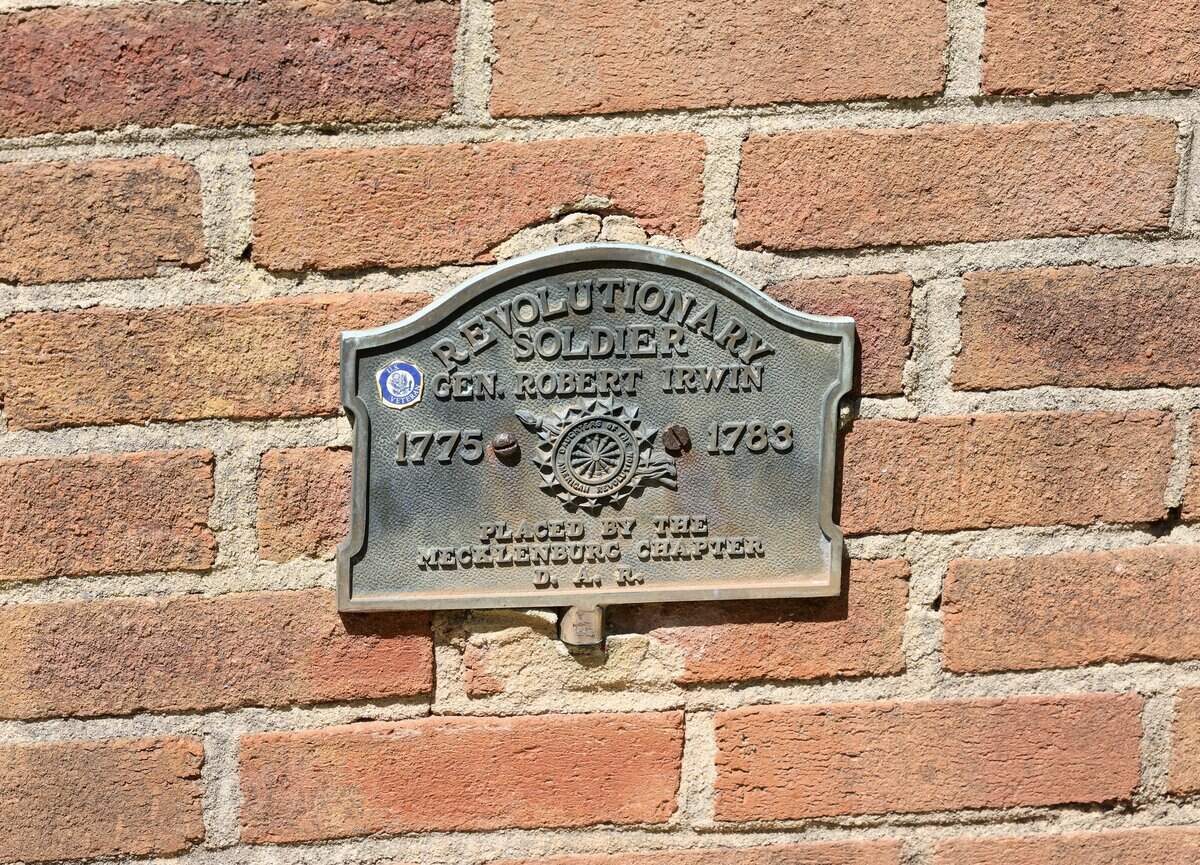
At the Steele Creek cemetery, she points out some of the American Revolutionary War Patriots: Gen. Robert Irwin, the Rev. Humphrey Hunter and farmers Robert and Eleanor Wilson.
The American Revolution in the Charlotte area is historically known as “Cornwallis’s War.”
“Some people say that it was the Wilsons’ family war,” Gomez said. When British Gen. Charles Cornwallis came through the Charlotte area, he stayed with the Wilsons, forcing Eleanor Wilson to cook dinner. “She was mad. They were not happy about England being in their backyard.”
Despite Cornwallis’ attempts to turn the Wilsons into Loyalists to the crown with promises of high military rank if Robert joined the British forces, “they gave him the what-for,” Gomez said. Seven of the Wilsons’ 11 sons fought in militias.
Eleanor Wilson didn’t fight, but her grave is marked as a Patriot for supplying war rations. “There’s a Daughters of the American Revolution chapter named for her,” Gomez said. A descendant had organized the chapter in Washington, D.C., according to DAR’s website.
Gomez is writing about each person’s grave she visits with a photo of their headstone and her research on their story on The Forgotten South’s website. “Sometimes I’m writing the first article that’s ever been written about these people,” she said.
The Rev. Humphrey Hunter, an Irish native, joined the cavalry at age 20 and fought in several battles in the area, Gomez said. After the war, he was ordained and served as a minister at the Steele Creek Presbyterian Church from 1804 until his death in 1827.
“He did a lot to help the community after the Revolution,” Gomez said. “He has a long list of accomplishments.”
She points out the carving of a weeping willow tree on Hunter’s stone. There’s a DAR marker listing him as a “hero” by the Battle of Charlotte chapter.
Revolutionary War stories outside Charlotte
In Lincoln County, there’s Peter Edelman, who fought in the Revolution and was a cabinetmaker who sold furniture to the wealthy, she said.
Over the border in South Carolina, is Betheseda Presbyterian Church, near McConnells. It’s the final resting place for 34 documented American Revolutionary War veterans, including Col. William Brattonsville.
And in the enslaved burial ground at Historic Brattonsville is Watt, a man who was owned by the Bratton family. Watt famously rode through the night to warn Col. William Bratton of the British approach, a pivotal move that led to a decisive Patriot victory at the Battle of Huck’s Defeat on July 12, 1780.
“That was a really cool story,” Gomez said, “because I don’t know how many enslaved people I’ll find that we know their stories and their contributions.”
Where Charlotte history meets city development
The urgency of Gomez’s work is underscored by the landscape itself.
The Steele Creek cemetery was once part of a 37-acre historic designation. It now sits beside the massive Runway Logistics Park, a 920,000-square-foot development by Foundry Commercial.
While the cemetery remains intact, the surrounding expansion is a stark reminder of how Charlotte’s rapid growth can easily pave over its own history. The church building itself will be the headquarters for the nonprofit She Built This City, which helps women break into skilled trades.
There is no single, official master count of Revolutionary War graves in North Carolina and South Carolina.
However, the N.C. Sons of the American Revolution has a registry list with of nearly 8,500 Patriots and militia members buried in cemeteries and private cemeteries. The S.C. Sons of the America Revolution also has its own database showing over 9,000 Patriots listed as of May.
“My biggest goal is how do we get the people on the books that you wouldn’t know otherwise?” she said.
Eventually, Gomez would like to share her findings in one book.
As she continued to walk the rows of stones — from Lincoln County to Rock Hill — Gomez has turned her hobby as a historian into a paid career. She is paid by Facebook for her posts.
“My job is to provide you with the data and the facts,” she said. “I’m just a history nerd who doesn’t want these stories to be lost.”