Pedestrian deaths rose as Vision Zero enters year 7: ‘We need to slow down cars’
Pedestrian fatalities are on the rise in the Charlotte region, according to a recent report from national nonprofit Smart Growth America. And the trend is being seen across the country.
Dangerous by Design ranks all 50 states and the largest 101 metro areas by pedestrian fatality rates. According to the report, pedestrian fatalities have increased 72% nationwide since 2009, which outpaced the growth in population and vehicle miles traveled within the same timeframe.
The report also says more than 7,000 people died nationwide while walking in 2024 alone.
“What we are seeing is that people who are walking in communities – whether that is trying to get their kids to school, get themselves to work, or getting groceries at the end of the day – when they are traveling by foot they are increasingly at risk to be killed by vehicles,” Heidi Simon, director of thriving communities with Smart Growth America, said.
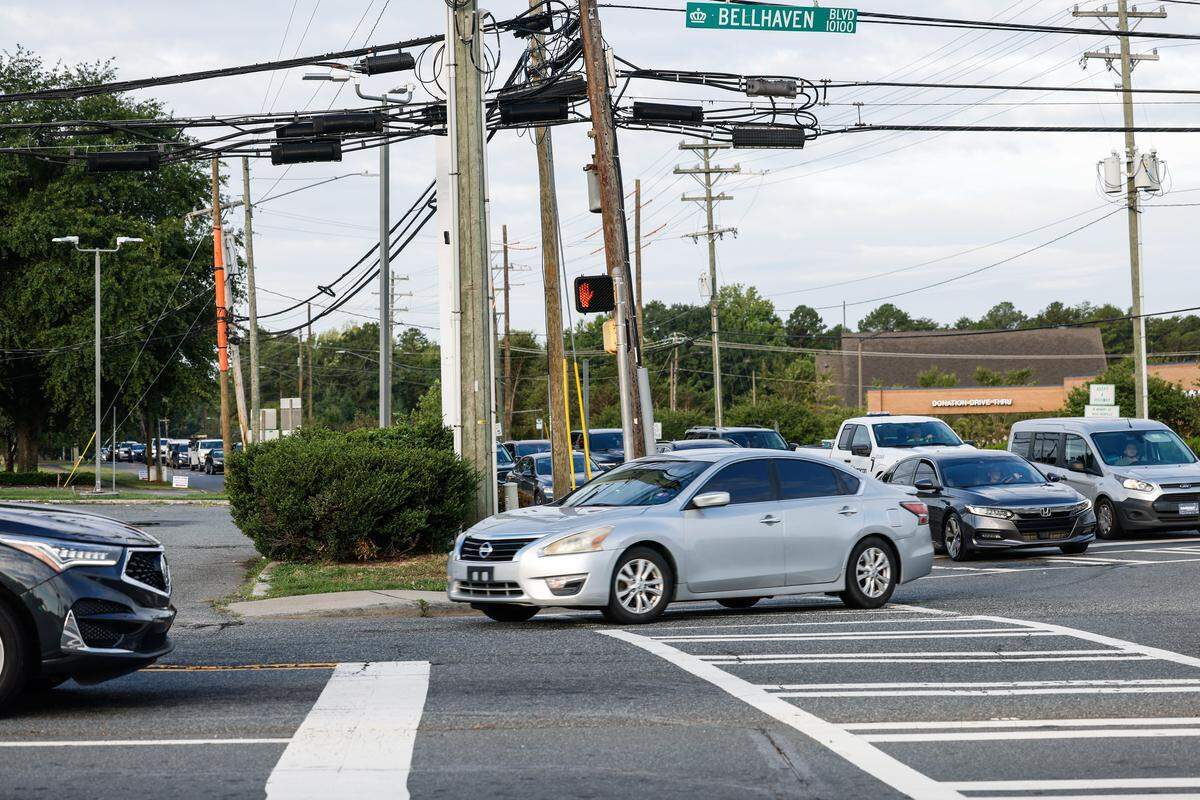
“What this means is that we have created environments that are unsafe for people walking even though we know there are people walking there.”
The Charlotte-Concord-Gaston metro area ranked 50th among the nation’s 101 largest metro areas for pedestrian fatality rate. Between 2020 and 2024, 287 people were killed while walking in the Charlotte region, up from 241 pedestrian fatalities between 2015 and 2019.
North Carolina was ranked 15 for deadliest states in the nations for people walking.
Local efforts to improve safety
Charlotte is in its seventh year participating in Vision Zero, an international initiative aimed at reducing the number of traffic deaths and severe injuries to zero. But Charlotte has faced some challenges. Earlier this year, a report by the Charlotte Department of Transportation showed traffic deaths and serious injuries increased in the city last year.
The latest report by Smart Growth America comes as Charlotte officials attempt a renewed approach to improving safety on its roads. The city council approved its red light camera pilot program on Monday that will focus on high traffic areas in the city.
The program will see cameras placed at 10 locations. Those who run red lights would receive a $75 citation to the owner of the vehicle.
“As we stand up this program we’re also standing up a data driven perspective so that we’ll get constant updates as it relates to the accidents, the potential reductions and other things that we can potentially tweak as we go through this 12-month pilot,” said District 1 Councilwoman Dante Anderson prior to the vote.
Shannon Binns, executive director of Sustain Charlotte, said the program is a “positive step.”
“That’s a fairly easy way we can automate the enforcement of red light violations and red light running,” he said. “We could and should be doing the same thing for enforcing the speed limit.”
Binns said reducing lanes of traffic and making roads more narrow instead of wide can also help to reduce speed. Simple improvements like repainting crosswalks can also help make pedestrian infrastructure more safe, he added.
“We designed the streets to move cars as fast as possible,” Binns said. “In order to make our cities walkable and safe for drivers and pedestrians, we have to slow down cars.”
By design
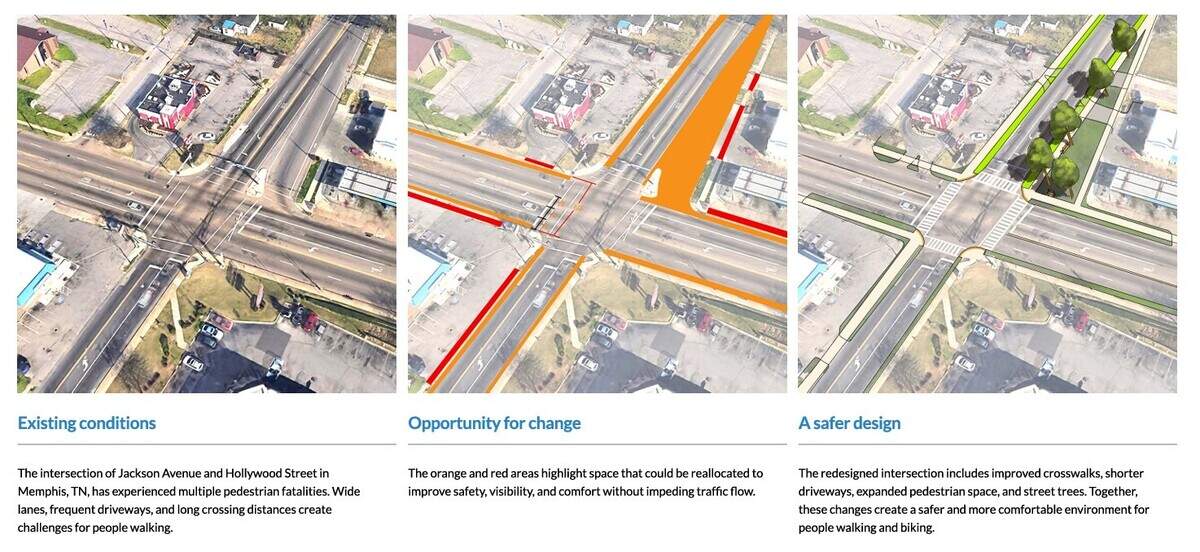
Simon said the title of the report comes from how policy decisions are directly impacting these numbers. From building wide roads to infrequent crosswalks, a region’s layout can lead to harm, she said.
“Our funding decisions, the design guidance and the regulations that inform how our streets and roads are designed have created unsafe conditions,” Simon said.
The report also outlined the increased dangers faced by certain populations. Nationally, older adults accounted for 23% of pedestrian fatalities despite only making up 18% of the population. People who live in lower income areas are also disproportionately more likely to be hit and killed while walking, the report says.
According to the study, 2024’s number of fatalities was higher than every year on record since 1982, except for modern historic highs seen between 2021 and 2023.
And the Charlotte region’s average annual pedestrian fatality rate increased to 2.07 deaths per 100,000 residents.
But while the Charlotte area showed pedestrian fatalities on the rise, some regions did buck the trend seen nationally. Simon said places like El Paso, Texas, and Orlando, Florida, have seen decreases thanks to a focus on a complete streets policy, which prioritizes safety for all modes of transportation.
“When we talk about thousands of lives lost, each one of those is someone’s loved ones, someone’s community member, and that in of itself should be reason enough to make these changes,” Simon said.
The report ranked Memphis, Tennessee, as the most dangerous metro in the country with a fatality rate of 5.5 deaths per 100,000 residents. New Mexico was ranked as the deadliest state in the country for people walking.