As development pushes birds out, Carolina Waterfowl Rescue tends Charlotte’s flock
Many people across the country have been feeling the squeeze of the rising cost of living.
For Carolina Waterfowl Rescue, a bird rescue facility that has been operating for nearly 30 years, weathering a changing economy is nothing new. But since the start of COVID-19 pandemic, the organization hasn’t been able to catch a break.
Carolina Waterfowl Rescue is a wildlife rescue and animal sanctuary that specializes in caring for baby birds, reptiles and farm animals. The rescue started in a garage and later expanded into a facility that provides a safe haven and lifesaving care for native wildlife across the Carolinas.
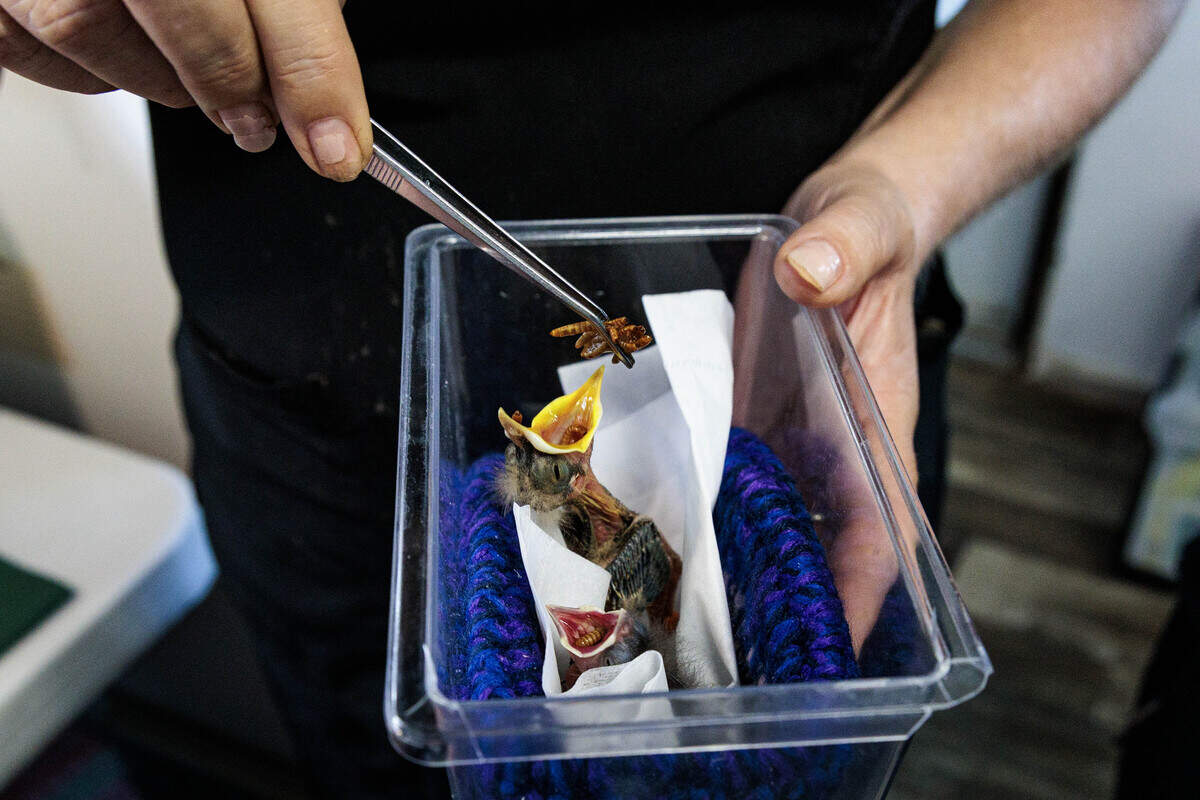
“We’re one of the few places in Charlotte that has a baby bird program that takes in songbirds because they’re so labor-intensive to feed,” founder Jennifer Gordon said. “We generally do about 6,000 animals a year, but earlier in June, we’d already hit 4,000 animals.”
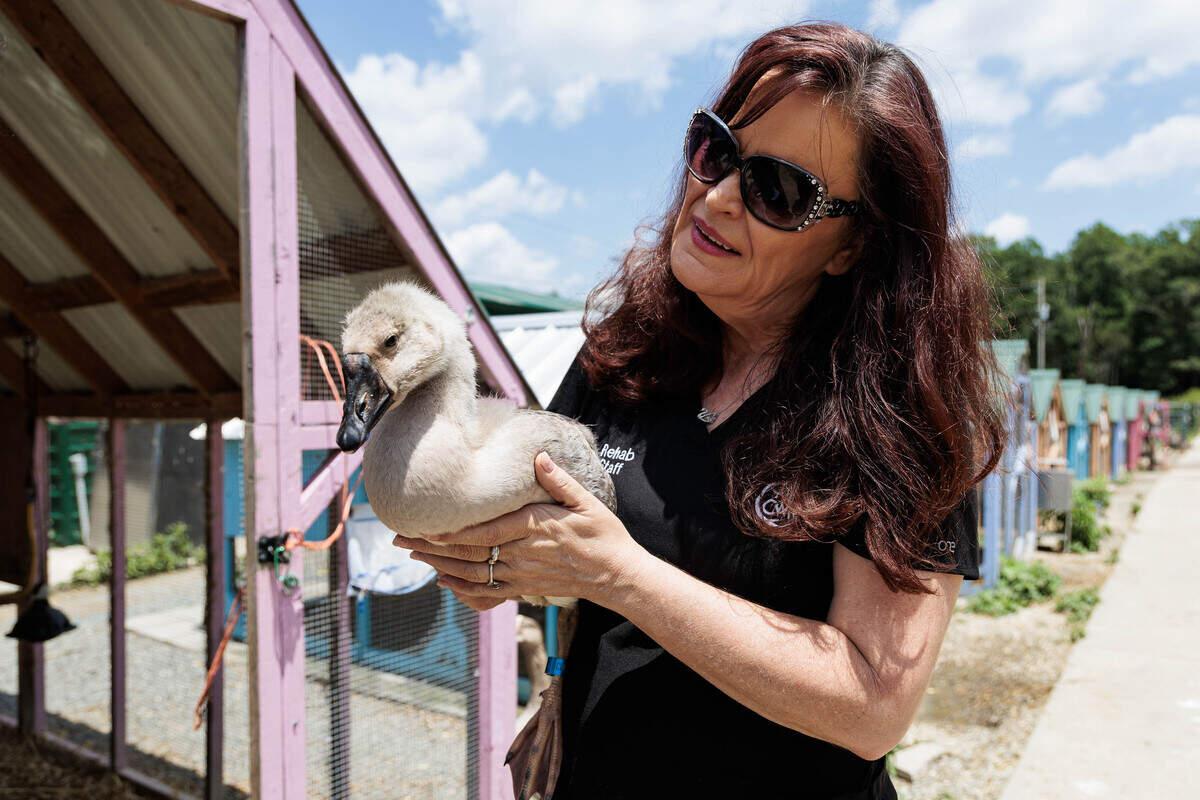
Busy season begins as only bird rescue source
Baby bird season has hit the rescue particularly hard this year with the influx of fresh birds being hatched with nowhere to go. It’s causing demand that outpaces the capacity the rescue has to offer. The constant development of Charlotte and surrounding areas has added a plethora of other issues for the rescue.
Gordon said it’s leaving displaced wildlife with fewer places to go.
“Our area is being heavily developed,” she said. “The more that we develop Charlotte and the surrounding areas, the less space we’re going to have for wildlife. It’s creating displacement for wild animals.”
The land around the rescue once offered far more room for wildlife releases than it does today. As neighborhoods have grown closer, Gordon worries not only about the animals’ safety, but also about the rescue’s long-term stability.
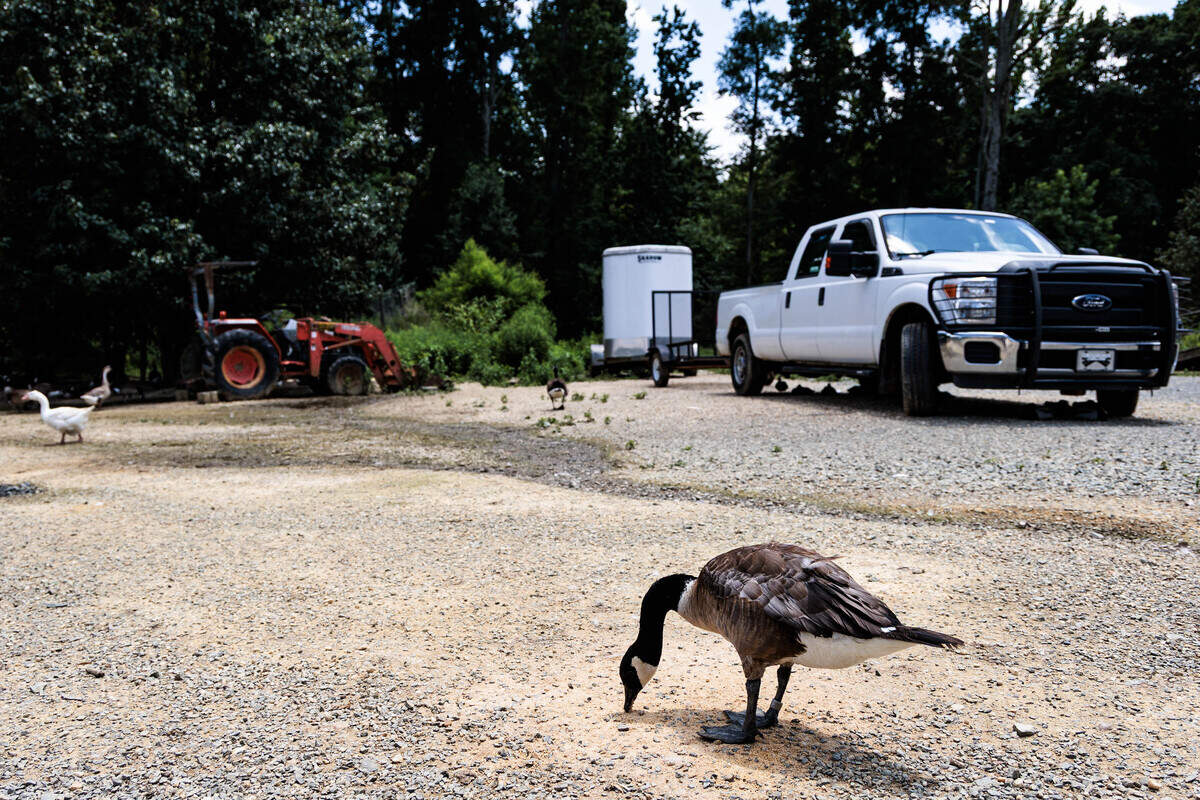
“We used to have 600 acres behind us for releasing wild turkeys and that’s all gone,” she said. “Now we’re just getting complaints like, ‘Oh, there’s a duck in my neighborhood. You guys need to come get it.’”
Developers have also taken notice of the rescue’s property. Gordon said she’s been told there are people who want to buy the land CWR sits on.
“I have a feeling we’ll get pushed out of our place before too long they’ll want to develop something on our land, and they’ll need us out of there.”
Keeping the rescue open has been a challenge
Even as wounds from the COVID era began to heal, Gordon said tariffs threatened any progress the rescue was able to make.
“We’ve been around for like 30 years, and I have not had financial problems until COVID,” said Gordon. The rescue recently put its transport vehicle up for sale to keep operations going. Unable to afford repairs to the van’s air conditioning, Gordon decided to sell it hoping to shed not only repair costs, but the rising expenses that come with keeping the vehicle.
“We just thought, well, if we could sell it, we can get a little money in. That will help reduce the insurance, because our insurance costs went way up this year,” she said.
“We were sourcing some stuff that was getting heavily tariffed. Things that we were getting really cheaply, all of a sudden weren’t affordable anymore.”
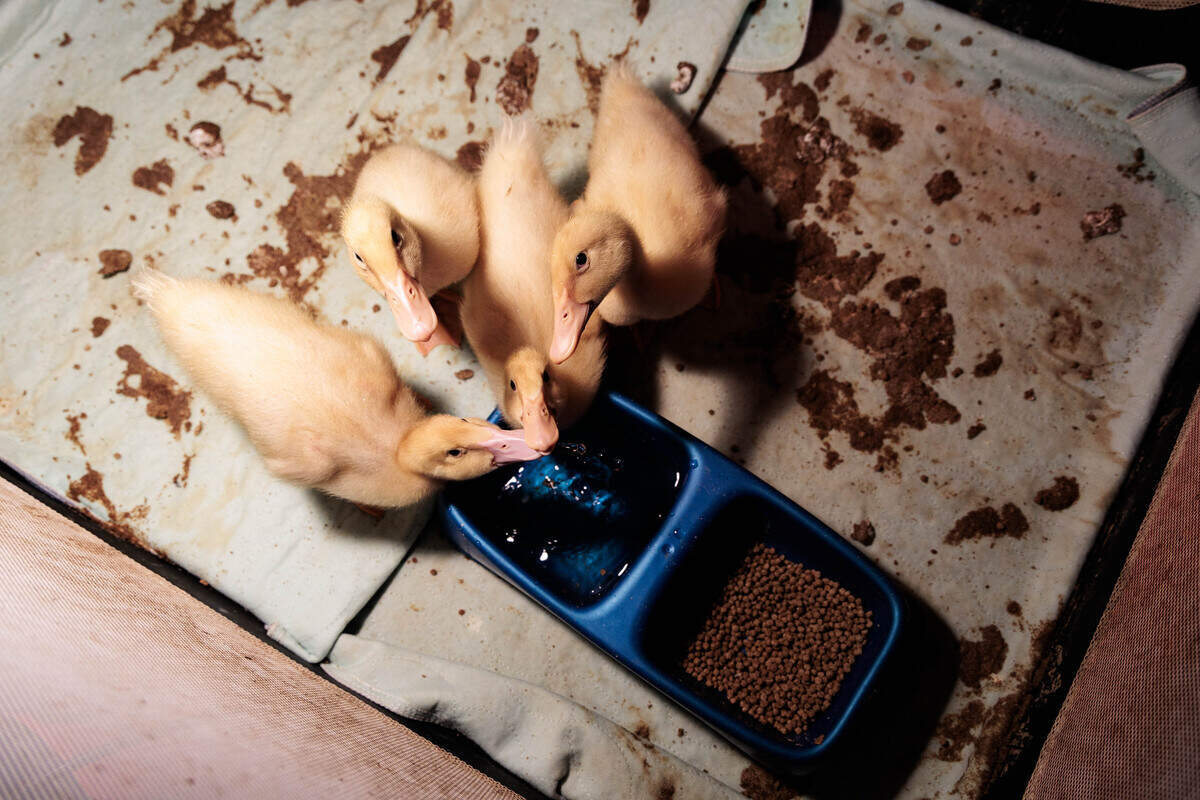
Grain used to feed the animals has gone up 40% since the tariffs went into effect. Gordon recalled one instance when an item the rescue had long relied on suddenly became far more expensive because of tariffs causing the rescue to have to spend $1,000 in unexpected costs.
“That obviously set us back,” she said. “And now it’s just the whole entire economy. Ever since the tariff thing happened, the price of everything has gone up and now the cost of fuel went up.”
Fuel prices, she said, have created another domino effect: fewer transporters, fewer rescues completed, and more animals that never make it to CWR in the first place.
“Then we started losing transporters,” she said. “So now we don’t have the money to do the transports, because the cost of fuel is so high and people won’t bring animals to us.”
Higher fuel costs have also cut into the volunteer base that helps keep the rescue running.
“We have people that are struggling just to put gas in their car,” Gordon said. “If they don’t live close, they are cutting back. Overall, it has a big impact on the amount of staffing that we have to come up with to make up for volunteer shortages.”
Now, the rescue is asking for donations, and Gordon hopes they’ll be enough to ease the strain. The front page of the rescue’s website says they need to raise at least $100,000 to be able to continue providing food and shelter to their animals.
“Probably over the next couple of weeks, we’re going to have matching funds for donations that are coming in,” she said. “Hopefully that can help us out a little bit.”
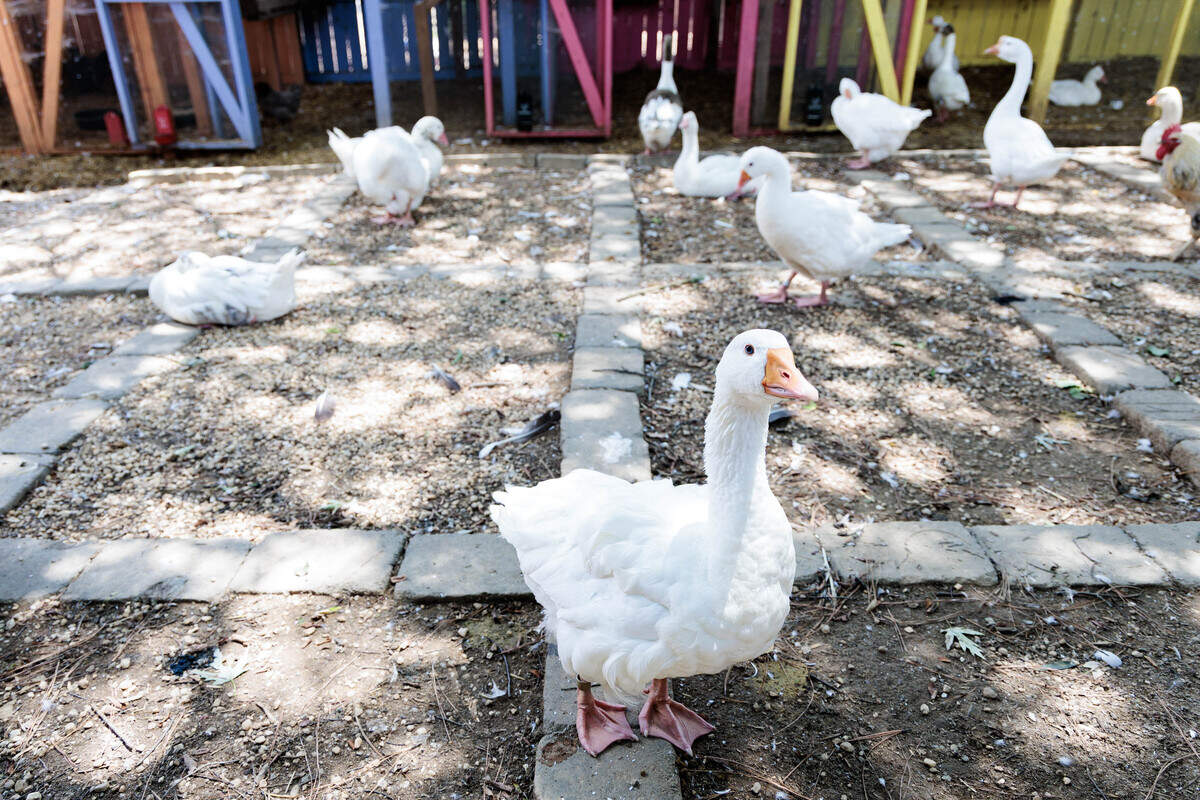
As she approaches retirement, Gordon said her focus is on getting the rescue through the end of baby-bird season and figuring out what comes next, without leaving the animals without a place to go.
“I think the reality is that we just have to scale down on the operation a little bit, and I’m not sure what that looks like yet,” she said.
“But we just need to get through the baby [bird] season right now, and then when babies are gone, we’ll get together with the staff and kind of figure out where we’re gonna go from here.”