
Soaring summer heat leads to equally soaring utility bills
Record-setting heat in June and July was tough on Charlotteans, but it’s the resulting utility bills that could be an even bigger pain.
Statements in the $200 to $400 range are being reported in Mecklenburg County, leaving some residents trying to decide what they’ll live without in order to make payments.
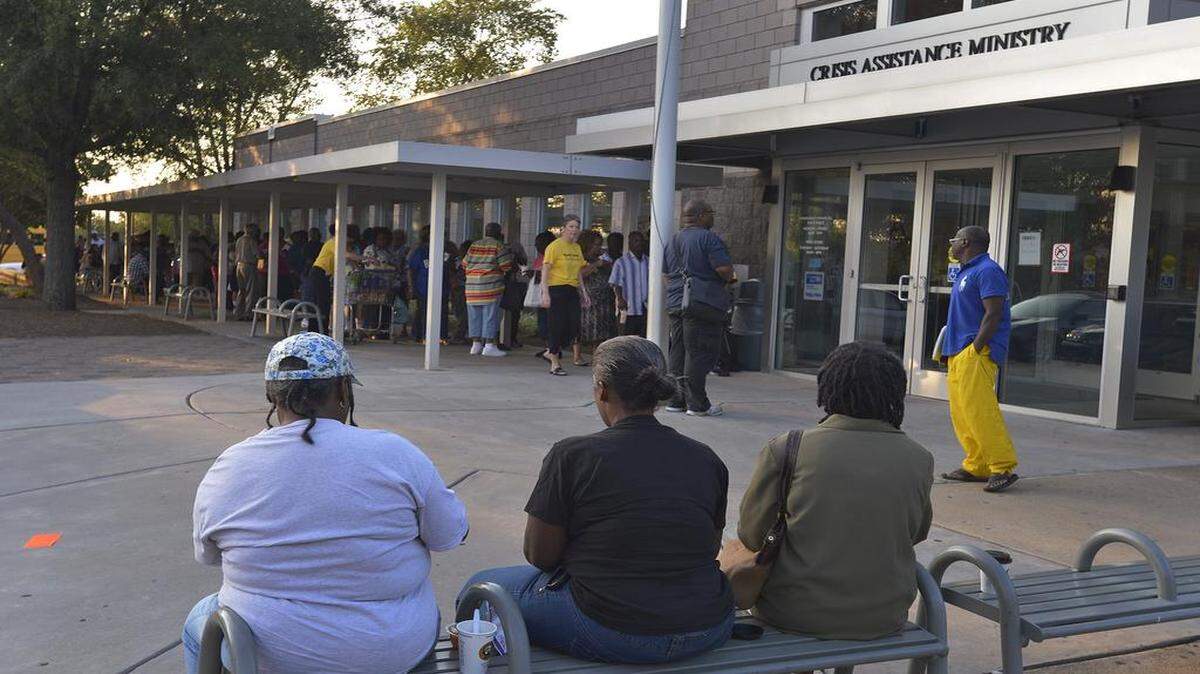
Crisis Assistance Ministry, which helps low-income people with rent and utility bills, is seeing a 10 percent spike over 2014 in the number of people seeking utility bill help. On average, they need $250, including some who are bringing in more than one bill, agency officials said.
“Our caseworkers are seeing a number of families who already negotiated a deferred payment plan with their energy provider earlier in the summer as the first high bills arrived,” said Tovi Martin, a spokeswoman for Crisis Assistance Ministry. “They’ve done everything they could to handle the bill themselves. But after multiple months of high bills, summer expenses, and now back to school, they just aren’t able to keep up.”
From June 14 through June 26, daily temperatures stayed between 95 and 100. A similar heat wave hit the city from July 6 through July 31. Four consecutive days in June were in the triple digits, the first such streak in Charlotte since 2012. There were no 100-degree plus highs in 2013-14, records show.
Lanessa McNair was among those who came to Crisis Assistance last week for help. Her electric bill was $220. McNair had tried to cut down on energy costs by living without air conditioning, but she said it made life miserable for her children, including daughters age 15 and 17. The two teens decided to stay with friends until the family could cool their home.
“It gets hotter inside than outside when you have no air conditioning. You can’t sleep,” said McNair, noting the humidity makes bed sheets and everything else in the house “sticky.”
Rita Buchanan was ahead of McNair in line, having shown up at 5:45 a.m., more than two hours before the doors open. She needed help with rent, because all her cash had been eaten up by two months of utility bills in the $190 range.
“I make sure to pay the utility bill first, so that leaves me a choice: Cut back on groceries or put off paying something else. I put off paying the rent, so here I am,” Buchanan said. “That’s the only way you can make things work. I lost my job in February and won’t start a new job until September.”
Diana Walker, a caseworker at Crisis Assistance, says Buchanan’s story is common. Many of her clients try cutting off their air conditioning, eating less and avoiding getting prescriptions filled to save money. But that’s still not enough, she says. Some of the bills brought into her office exceeded $400, she says.
Walker expects things to worsen over the next six weeks, as utility cutoffs go from a threat to a reality. It typically takes two months for an unpaid utility bill to reach the disconnect phase, agency officials said. However, customers defaulting on a deferred payment arrangement may face an even quicker disconnect.
“I had one client mention she went and stayed with her son, and left the electricity off. Then, I had one tell me she was thinking of moving back in with her mother,” Walker said. “She could pay her rent, but utilities were unaffordable for her. We’ve got a lot of people in Charlotte making tough decisions right now.”
Mark Price: 704-358-5245, @markprice_obs
How you can help
Crisis Assistance Ministry is in the midst of a new kind of fundraiser to help supplement its aid to families in need.
“The idea is to stay home, do something you enjoy, and contribute the amount you might have spent out on the town to help families stay in their home or get their basic needs met,” said agency spokeswoman Tovi Martin. “We’re calling it ‘Charlotte Stays Home,’ a non-event gala.”
Crisis Assistance Ministry leverages public and private dollars as Mecklenburg County’s lead agency dedicated to preventing homelessness. It pays emergency financial assistance directly to landlords and utility companies. The agency’s caseworkers also help families learn to budget their money to avoid a future financial crisis.
To contribute to Charlotte Stays Home, visit crisisassistance.org/nonevent2015 or mail to “Non-Event Gala,” Crisis Assistance Ministry, 500A Spratt St, Charlotte, NC 28206.
This story was originally published August 30, 2015 at 8:54 PM with the headline "Soaring summer heat leads to equally soaring utility bills."